Unlock Design Potential: Prototype with Laser Cutting
In the dynamic world of design, staying ahead of the curve means embracing innovative tools and techniques that can bring your ideas to life with unparalleled precision and speed. One such revolutionary method is laser cutting, a technology that has transformed the prototyping landscape. By harnessing the power of laser cutting, designers can unlock new creative potentials, streamline their processes, and achieve levels of detail that were previously unimaginable. This article explores the multifaceted benefits of laser cutting in prototyping and how it can elevate your design game to new heights.
Discover the Power of Laser Cutting Prototypes
Laser cutting technology has emerged as a game-changer in the world of design, offering unparalleled precision and versatility. Unlike traditional cutting methods, laser cutting uses a high-powered laser beam to precisely cut materials, allowing for intricate designs and complex geometries that were once deemed impossible. This capability is particularly beneficial in the prototyping phase, where accuracy and detail are paramount. By leveraging laser cutting, designers can create prototypes that are not only visually stunning but also functionally robust, paving the way for successful product development.
Moreover, laser cutting opens up a world of possibilities in terms of material selection. From metals and plastics to wood and textiles, the technology can handle a wide range of materials, each with its own unique properties and aesthetic appeal. This versatility allows designers to experiment with different textures, finishes, and structural elements, ultimately leading to more innovative and compelling prototypes. By embracing laser cutting, designers can push the boundaries of what’s possible, turning ambitious visions into tangible realities.
Elevate Your Design with Precision Techniques
Precision is the hallmark of exceptional design, and laser cutting delivers it in spades. The technology’s ability to execute cuts with micrometer accuracy ensures that every detail of your design is faithfully reproduced. This level of precision is especially crucial in industries where tolerances are tight, such as aerospace, automotive, and medical device manufacturing. By utilizing laser cutting, designers can achieve the exact specifications required, reducing the risk of errors and ensuring that the final product meets the highest standards of quality.
Beyond accuracy, laser cutting also offers consistent repeatability, a critical factor in prototyping and production. Once a design is programmed into the laser cutter, it can be replicated with the same precision time and again, ensuring uniformity across multiple prototypes or production runs. This consistency not only enhances the reliability of the design process but also saves time and resources, allowing designers to focus on refining and perfecting their creations. With laser cutting, the path from concept to completion becomes a seamless journey marked by precision and excellence.
Transform Ideas into Reality with Laser Cutting
The journey from concept to creation is often fraught with challenges, but laser cutting streamlines this process by turning abstract ideas into tangible prototypes with remarkable ease. This technology allows designers to quickly and efficiently translate digital designs into physical models, providing a clear and accurate representation of the final product. This tangible feedback is invaluable, enabling designers to assess form, fit, and function early in the development process, and make necessary adjustments before moving to full-scale production.
Furthermore, laser cutting empowers designers to explore and iterate on their concepts with unprecedented freedom. The ability to rapidly produce prototypes means that designers can experiment with different iterations, test various design hypotheses, and refine their ideas without the constraints of time or cost. This iterative process fosters creativity and innovation, allowing designers to push the boundaries of what’s possible and create groundbreaking products that captivate and inspire.
Speed Up Your Design Process with Prototyping
In today’s fast-paced market, speed is of the essence, and laser cutting significantly accelerates the prototyping process. Traditional methods of prototyping can be time-consuming and labor-intensive, often requiring multiple steps and manual intervention. In contrast, laser cutting streamlines the process by automating the cutting and engraving tasks, reducing lead times and allowing designers to move rapidly from design to prototype. This increased efficiency not only speeds up the development cycle but also enables designers to respond swiftly to market demands and stay ahead of the competition.
Additionally, laser cutting reduces the need for costly and time-consuming tooling, making it an ideal solution for rapid prototyping and small-batch production. Without the constraints of traditional manufacturing methods, designers can quickly produce prototypes, test their designs, and make informed decisions about material choices and design modifications. This agility is a competitive advantage, allowing designers to iterate and innovate at a pace that keeps them at the forefront of their industry.
Achieve Unmatched Detail in Your Creations
One of the most compelling advantages of laser cutting is its ability to achieve intricate details and complex geometries that would be impossible with conventional methods. The precision of the laser beam allows for fine cuts and detailed engravings, enabling designers to incorporate elaborate patterns, textures, and features into their prototypes. This capability is particularly beneficial in industries such as fashion, architecture, and jewelry design, where aesthetic appeal and intricate detailing are paramount.
Moreover, the fine control offered by laser cutting allows for the creation of lightweight and structurally efficient designs. By optimizing material usage and incorporating complex internal structures, designers can achieve a balance between aesthetics and functionality, resulting in prototypes that are not only visually stunning but also structurally sound. This level of detail and craftsmanship elevates the quality of the final product, ensuring that it stands out in a crowded market and resonates with consumers.
Unlock New Design Horizons with Laser Cutting
Laser cutting is more than just a tool; it’s a gateway to new design possibilities. By removing the limitations imposed by traditional manufacturing methods, it empowers designers to explore new forms, materials, and techniques, leading to innovative products that challenge the status quo. Whether it’s creating intricate architectural models, designing bespoke fashion pieces, or developing cutting-edge consumer electronics, laser cutting provides the flexibility and precision needed to bring visionary ideas to life.
In addition to expanding creative boundaries, laser cutting also fosters collaboration and interdisciplinary innovation. By integrating laser cutting into their workflows, designers can collaborate with engineers, artists, and other professionals to develop holistic solutions that address complex challenges. This collaborative approach not only enhances the quality of the final product but also drives innovation across industries, paving the way for a future where design knows no bounds.
In an ever-evolving landscape where innovation is the key to success, laser cutting stands out as a powerful ally for designers seeking to unlock their full creative potential. By embracing this transformative technology, designers can elevate their work, streamline their processes, and achieve levels of detail and precision that set their creations apart. As we continue to explore the possibilities of laser cutting, the future of design looks brighter than ever, promising a world where ideas are limited only by the imagination.
Laser cutting is a transformative technology in the field of metal fabrication, offering designers an innovative method to create prototypes with exceptional precision and speed. This technique has revolutionized the prototyping landscape by enabling designers to explore new creative potentials and streamline their processes. By harnessing laser cutting, designers can achieve intricate levels of detail that were once unimaginable, elevating their design capabilities to new heights. This article delves into the benefits of laser cutting for prototyping and how it can enhance your design process.
Benefits of Laser Cutting in Prototyping
- Precision and Accuracy: Laser cutting delivers unparalleled precision, allowing for intricate designs and detailed prototypes.
- Speed and Efficiency: The process is significantly faster than traditional methods, reducing lead times and increasing productivity.
- Versatility: Suitable for a variety of materials, including metals, plastics, and wood.
- Cost-Effective: Reduces material waste and can be more economical over time compared to other fabrication methods.
Maintenance Tips
- Regularly clean the laser lens and mirrors to ensure consistent cutting quality.
- Check and adjust the alignment of the laser beam regularly.
- Ensure proper ventilation to prevent overheating and damage to the machine.
- Regularly inspect and replace any worn or damaged parts.
Typical Cost Ranges
The cost of laser cutting machines can vary greatly depending on size, power, and capabilities. Entry-level machines may start around $3,000, while industrial-grade models can exceed $100,000.
Performance Specifications
- Power Output: Typically ranges from 40W to 4000W, depending on the machine.
- Cutting Speed: Varies based on the material and thickness but generally ranges from 1 to 1000 mm/s.
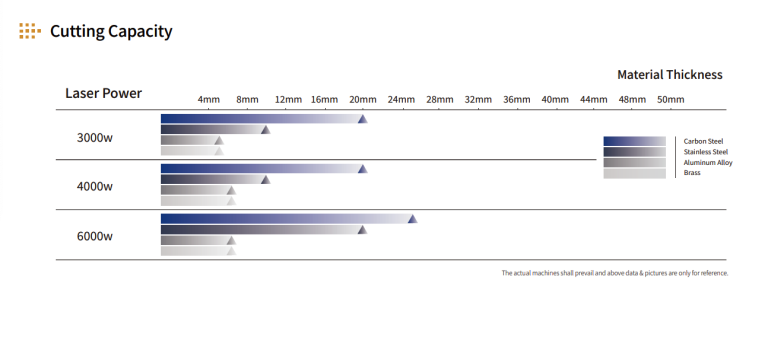
- Material Thickness: Capable of cutting materials up to 25mm thick, depending on the power and type of laser.
Buying Advice
- Consider the types of materials you’ll be working with when selecting a laser cutter.
- Evaluate the overall size and power requirements of the machine for your workspace.
- Look for machines with user-friendly software and a strong support network from the manufacturer.
Frequently Asked Questions
What materials can be cut with a laser cutter?
Laser cutters can process a variety of materials, including metals, plastics, wood, glass, and textiles.
How does laser cutting compare to other cutting methods?
Laser cutting is more precise and faster than traditional cutting methods, and it generates less waste.
Is laser cutting suitable for large-scale production?
Yes, laser cutting is ideal for both prototyping and large-scale production due to its speed and precision.
What safety precautions should be taken when using a laser cutter?
Ensure proper ventilation, use protective eyewear, and follow the manufacturer’s safety guidelines to prevent accidents.
Can laser cutting be used for engraving?
Yes, laser cutters can also be used for engraving designs onto surfaces with precision.
What are the main maintenance requirements for a laser cutter?
Regular cleaning of lenses and mirrors, checking alignment, and ensuring proper ventilation are essential for maintaining a laser cutter.
Unlock Design Potential: Prototype with Laser Cutting