What a Wisconsin Fiber Laser Installation Says About Bringing Cutting In-House

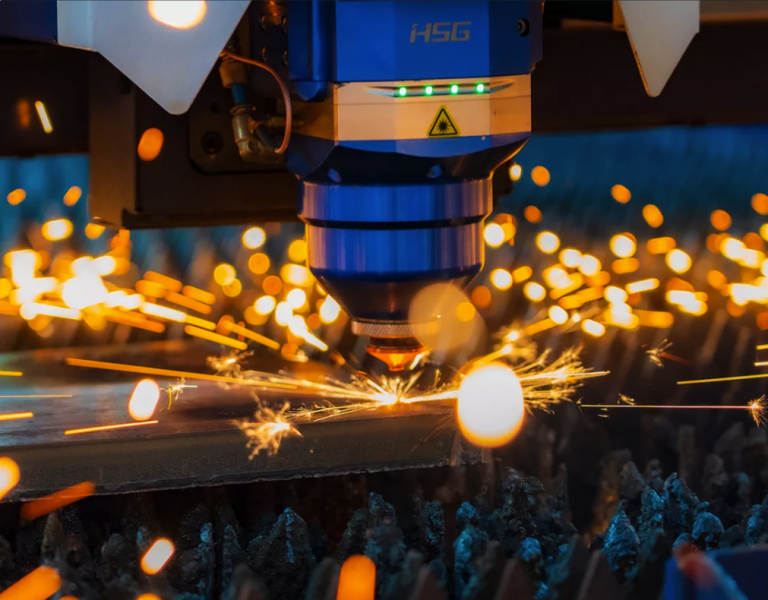
HSG announced on August 24, 2026, that an HSG GH Series fiber laser was installed at CMD Corporation in Appleton, Wisconsin. The installation is a useful local case prompt for production teams considering in-house cutting—not a performance verdict. HSG’s announcement and interview describe the project, but do not provide independently verified before-and-after data on productivity, quality, cost, or return on investment.
CMD’s context is contract manufacturing as well as its established machinery business. In May 2026, CMD announced CMD Manufacturing Solutions, an Appleton-based offering for contract manufacturing, precision assembly, and fabrication services for complex equipment. That context may help explain why the company is assessing sheet-metal capabilities, but it does not establish that the same machine configuration or workflow will fit another shop.
What CMD says it wanted from in-house cutting
In an interview published by HSG, CMD President and CFO John Adleman said the company expected in-house laser cutting to create more design flexibility and help its team make prototypes faster. He also described a route in which material is cut on a bandsaw, moved to the laser, then cleaned before fabrication. These are CMD’s stated goals and described workflow—not independently measured results.
For another manufacturer, the practical question is which outside processing, waiting, transport, or revision handoffs in its own workflow might change if cutting moved in-house. The answer depends on the part mix, production schedule, and capacity of the operations that follow cutting.
Trace the full route, not just the cut
Map the parts being considered, including material, thickness, batch size, revision frequency, tolerances, and current lead time. Distinguish repeat production from prototypes and occasional jobs. Then document current subcontracting, transport, queue time, inspection, and rework so the team can identify what it hopes to improve.
Next, check whether cleaning, bending, fabrication, and material handling can absorb the additional cut-part flow. More in-house cutting may shift queues downstream if those steps lack capacity. Plan how parts will be identified, sorted, staged, and delivered to the next operation, and consider how engineering revisions will reach programming and production.
CMD’s described bandsaw-to-laser-to-cleaning route is one example, not a template. A shop with a different mix of sheet, plate, or structural work may need a different sequence, tooling plan, or handling setup.
A readiness check before comparing machines
- Map the work: List candidate parts with material, thickness, batch size, revision frequency, tolerances, and current lead time. Separate repeat work from prototypes and occasional jobs.
- Check the handoffs: Record outside processing, waiting, transport, inspection, and rework. Define whether the intended benefit is faster revision response, added capacity, fewer moves, or another measurable change.
- Test downstream capacity: Review cleaning, bending, fabrication, and material handling. Identify where added cut-part volume could queue and how work will move between operations.
- Validate representative parts: Include routine work and difficult examples that reflect the actual mix. Agree on acceptance criteria before trials—for example, edge condition, key dimensions, hole quality, cycle-time measurement method, and how scrap or rework will be recorded.
- Plan training and safety review: Define who will program, set up, operate, inspect, and maintain the equipment, and what training each role needs. Review guarding, access, procedures, and applicable requirements with qualified safety personnel. OSHA identifies relevant general-industry requirements and references voluntary consensus standards for laser safety; use its guidance as part of a site-specific review.
- Confirm support scope: HSG’s service page describes phone and field support, maintenance plans, parts, and operator training. Ask what applies to the specific machine and location, including response commitments, travel coverage, included training, parts availability, escalation steps, and service terms.
Verify support and implementation details
HSG announced the Geneva, Illinois facility as a parts warehouse and machine inventory center, with plans to expand it into a Technical & Solution Center by Q3 2026 for demonstrations, application validation, training, and solution development. Confirm its current operating status and available services directly before relying on it in an implementation plan. Treat HSG’s service-page descriptions the same way: ask for the specific coverage and commitments that apply to your machine and location.
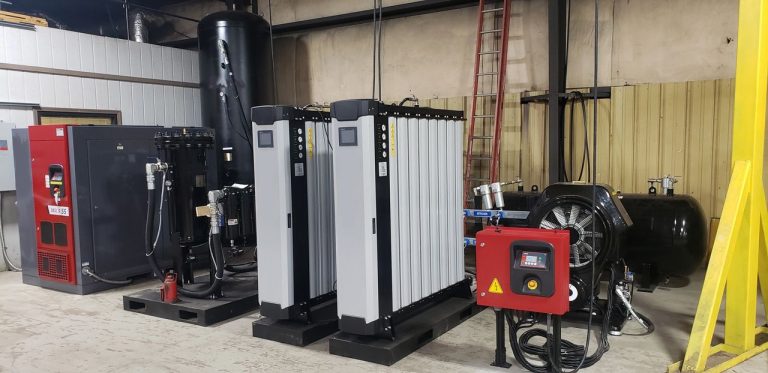
For a Wisconsin shop, include winter conditions in the facility review. Confirm the machine’s utility and environmental requirements with the supplier, then assess whether the planned location and operating procedures can support those requirements through cold-weather operations.
Make the business case shop-specific
CMD’s Appleton installation is a reminder that bringing cutting in-house is a workflow decision as much as an equipment purchase. Before comparing configurations, document which parts and revisions matter, where handoffs create delay, whether downstream operations can absorb the flow, and how sample-part acceptance will be measured. Include training, safety, service, and facility readiness in the plan.
Treat CMD’s stated goals as questions to test in your own operation, not as promised outcomes. A clear baseline and controlled sample-part review give your team a grounded way to assess the investment. Which parts, revisions, or handoffs are creating the biggest cutting delay in your operation?
Related Video
GH High Performance Fiber Laser Cutting Machine by Mac Tech