HSG’s 60 kW GFA Laser: A Capital Case Built on Fit and Utilization
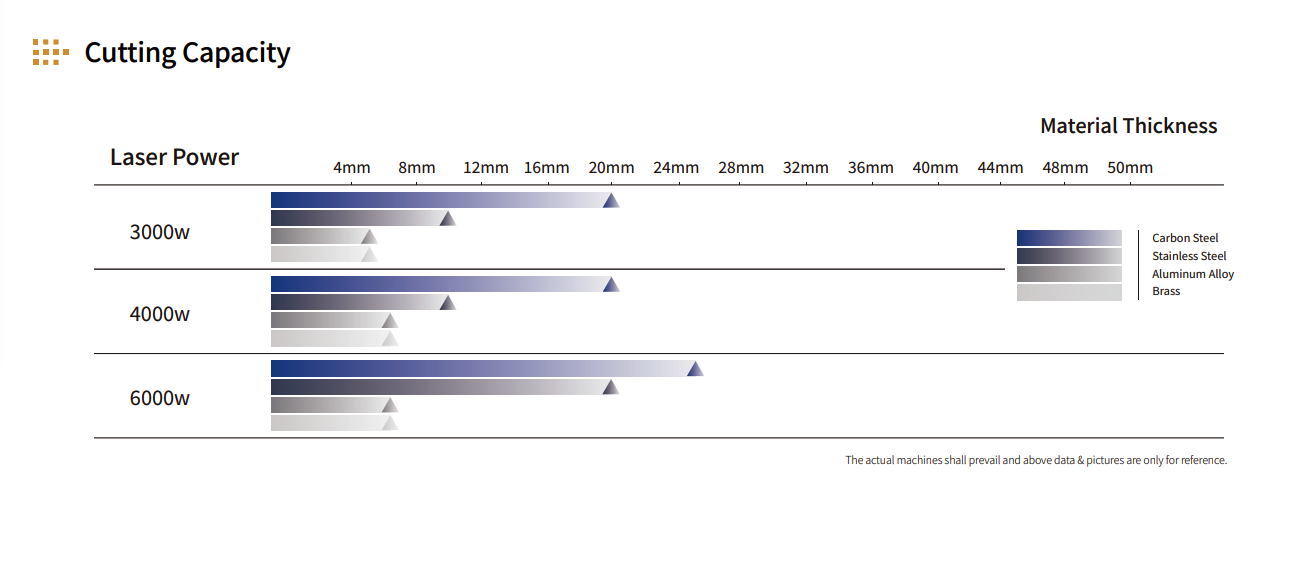
A large-format laser rated at up to 60 kW can expand a shop’s cutting options, but rated capacity alone does not establish a sound investment. The decision turns on whether recurring, profitable work needs the format and power, whether the machine can be kept productively scheduled, and whether the plant can support the complete process.
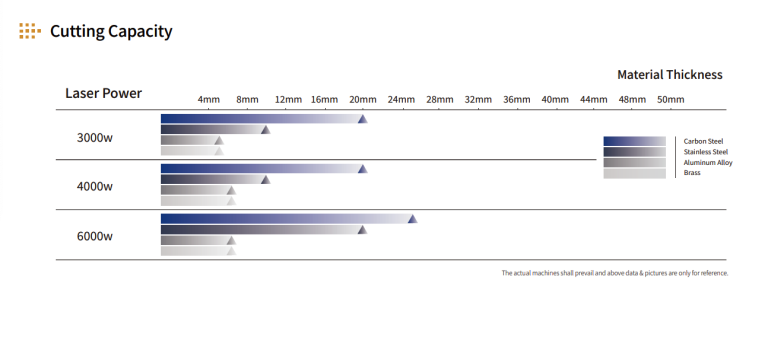
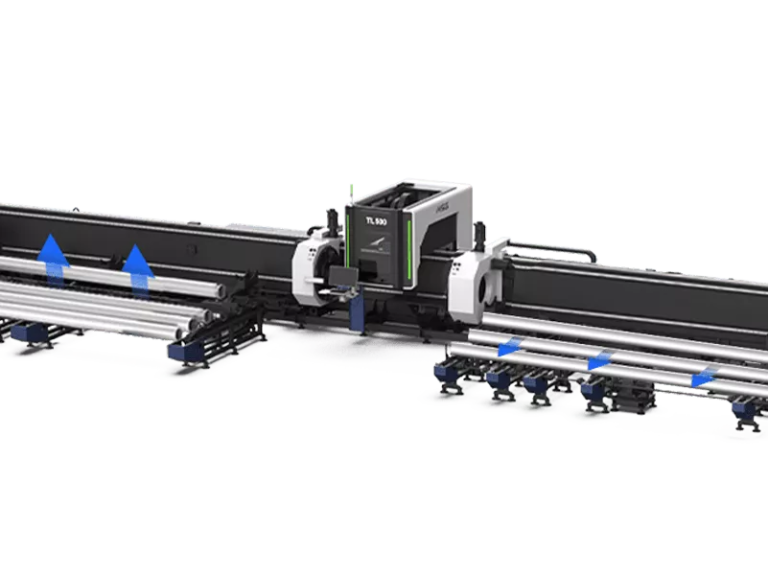
A July 20, 2026, report in Fabricating & Metalworking described HSG’s GFA Series as configurable, with a modular bed and power options up to 60 kW. The report describes large-format processing; HSG’s U.S. product information lists GFA configurations with 12,100 mm processing lengths and widths of 2,500 or 3,500 mm, and power options from 12 kW to 60 kW. Treat these as reported product parameters, not a specification for every machine. Confirm the exact model, format, options and performance criteria in the quotation and application review.
Start with the work, not the wattage
Build a list of candidate jobs using actual order history, forecast confidence and subcontracting records. For each, record material, thickness, sheet or part dimensions, batch size, revision frequency, required edge condition and current route through the shop. Separate repeat work from occasional oversized jobs; infrequent work may not provide enough scheduled hours to support a major capacity investment.
Estimate annual hours by material and thickness, then compare those hours with realistic available shifts, setup time, planned maintenance and expected production interruptions. Identify what constraint the proposed machine is meant to address: limited usable format, a cutting queue, outside processing, or another measurable issue. Do not treat maximum power as a proxy for output or savings.
Model the full economics
Compare the proposed configuration with practical alternatives, including retaining current processes, using a lower-power or smaller-format platform, or improving scheduling and material flow around existing equipment. Include purchase and installation scope, facility work, tooling and consumables, energy, assist gas, labor, maintenance, training and financing assumptions. Use costs and production data from your operation rather than a generic payback claim.
IPG Photonics’ comparison of fiber laser and plasma cutting explains that system-level factors and utilization affect the economics. Its example is vendor analysis based on stated assumptions, not an independent benchmark or a forecast for an HSG installation. Validate any expected cycle-time, edge-quality or cost changes with representative parts and a documented test method.
Check the building before approving the machine
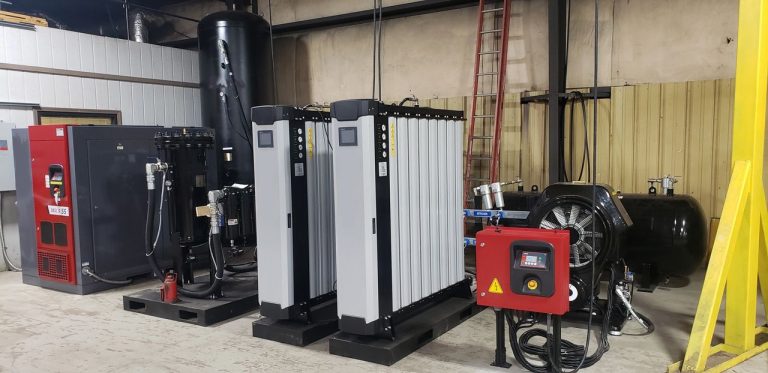
Ask the supplier and qualified facility professionals to review electrical capacity and power quality, cooling and heat rejection, assist-gas supply, extraction and filtration, floor loading, installation access and material-handling routes. Estimate the cost, schedule and ownership of required upgrades before capital approval. Confirm the requirements for the precise machine and options under consideration.
Safety and ventilation belong in the readiness review. OSHA’s Technical Manual discusses laser hazards and adequate ventilation for fumes and vapors generated by laser cutting. Its ventilation guidance describes evaluating system operation and documenting measurements. Use these materials as guidance for a site-specific assessment by qualified personnel, not as a substitute for applicable requirements or the facility’s hazard review.
Protect throughput beyond the cutting head
Increased cutting capacity can move the constraint to sheet staging, loading and unloading, skeleton removal, part identification, deburring, bending, welding or inspection. Map the route from raw material to the next operation and estimate how staffing, work-in-process and delivery schedules would change if more cut parts arrive each shift.
Automation should address the actual bottleneck and workload. As one general industry example, TRUMPF describes 2D-laser automation options for loading, unloading, pallet handling, storage and sorting. These are planning categories, not a direct GFA comparison or a claim of compatibility. Confirm available HSG options, interfaces, site requirements and acceptance criteria with the supplier.
Reduce project risk with trials and criteria
Before ordering, select representative jobs that include both routine production and difficult cases. Agree on the test method and acceptance criteria in advance. Depending on the application, criteria may include edge condition, critical dimensions, hole quality, cycle-time measurement, part identification and how scrap or rework will be recorded.
Define commissioning responsibilities and training for programming, setup, operation, inspection and maintenance. Document how engineering revisions will reach nesting, machine programming and production. A clear execution plan helps the team assess whether the proposed capability can be integrated into the workflow and converted into reliable production.
A practical decision test
Advance the GFA evaluation when your records show recurring demand for large-format or thick-plate work, a measurable cutting or subcontracting constraint, a facility plan for the proposed configuration, and enough downstream capacity to handle added output. If those conditions are not established, improve the production baseline and test candidate parts before selecting the highest-power option.
The GFA Series report is a prompt to evaluate large-format fiber cutting, not evidence of a particular shop’s expected performance or return. Match the configuration to profitable work, verify the facility and service plan, and measure the complete workflow before treating rated capacity as business value.