Mastering Fiber Laser Cutting in Metal Fabrication
In the ever-evolving world of metal fabrication, fiber laser cutting has emerged as a game-changing technology. For buyers in the metal fabrication industry, understanding and mastering this technology can lead to significant improvements in efficiency and product quality. Whether you’re purchasing brake presses, shears, or roll formers, integrating fiber laser cutting into your operations can elevate your production capabilities. This article will delve into the basics of fiber laser technology, highlight its key benefits, and offer tips to optimize your cutting process.
Understanding Fiber Laser Technology Basics
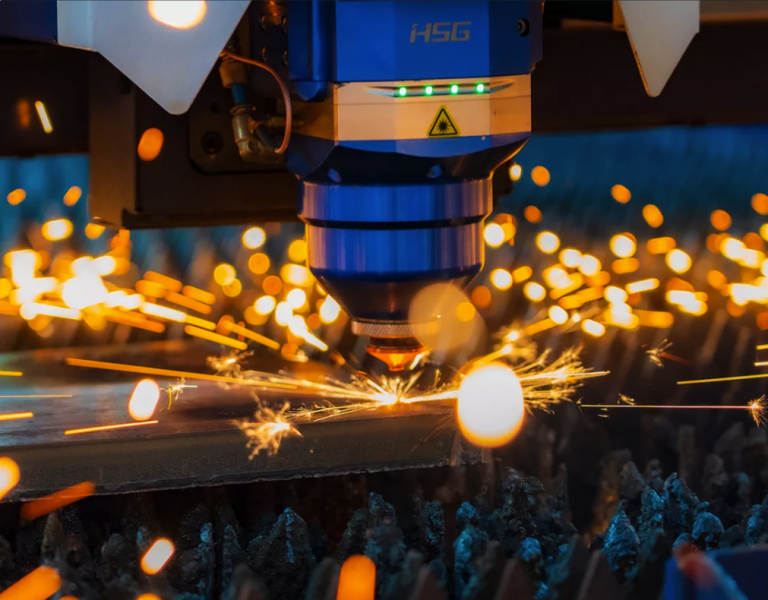
Fiber laser cutting is a process that uses a high-powered laser beam to cut through various types of metal. The laser is generated through a series of diodes and then channeled through a flexible fiber optic cable. This technology stands out due to its efficiency and precision.
- Core Components: The main components of a fiber laser system include the laser source, fiber optic cable, cutting head, and CNC control system.
- Wavelength: Fiber lasers operate at a wavelength of approximately 1.06 micrometers, which allows them to cut through metals with high precision.
- Materials: Fiber lasers are particularly effective for cutting metals such as stainless steel, carbon steel, aluminum, and brass.
Understanding these basics is crucial for anyone looking to invest in or optimize their metal fabrication processes with fiber laser technology.
Key Benefits of Fiber Laser Cutting
Fiber laser cutting offers numerous advantages that make it a preferred choice in the metal fabrication industry. Here are some of the key benefits:
- High Precision and Accuracy: Fiber lasers provide exceptional cutting accuracy, making them ideal for intricate designs and complex shapes.
- Speed and Efficiency: The cutting speed of fiber lasers is significantly faster than traditional methods, leading to increased productivity.
- Low Maintenance: With fewer moving parts and no need for mirrors or lenses, fiber lasers require less maintenance and have lower operational costs.
- Energy Efficiency: Fiber lasers consume less energy compared to CO2 lasers, making them more environmentally friendly.
- Versatility: They can cut a wide range of materials and thicknesses, providing flexibility in production.
These benefits make fiber laser cutting a valuable asset for metal fabrication companies looking to enhance their capabilities.
Tips for Optimizing Your Cutting Process
To fully leverage the advantages of fiber laser cutting, it’s important to optimize your cutting process. Here are some practical tips:
- Regular Maintenance: Ensure that your laser equipment is regularly maintained to prevent downtime and extend its lifespan.
- Proper Material Handling: Use appropriate material handling techniques to minimize waste and improve cutting quality.
- Optimize Cutting Parameters: Adjust the laser power, speed, and focus according to the material type and thickness for optimal results.
- Invest in Training: Provide comprehensive training for your operators to ensure they are proficient in using the technology effectively.
- Monitor and Adjust: Continuously monitor the cutting process and make necessary adjustments to improve efficiency and quality.
By following these tips, you can maximize the performance of your fiber laser cutting system and achieve superior results.
Mastering fiber laser cutting can transform your metal fabrication operations, offering unparalleled precision, speed, and efficiency. For more in-depth information and resources on how to integrate and optimize fiber laser cutting in your processes, visit Mastering Fiber Laser Cutting in Metal Fabrication. Embrace this cutting-edge technology to stay ahead in the competitive world of metal fabrication.
Fiber laser cutting has revolutionized the metal fabrication industry by offering unparalleled precision, speed, and efficiency. As a cutting-edge technology, it utilizes a high-powered laser beam to precisely cut through various metals, resulting in cleaner cuts and reduced waste compared to traditional methods. For metal fabricators, integrating fiber laser cutting into their production processes can significantly enhance product quality and operational efficiency. This technology is particularly beneficial when used alongside other equipment such as brake presses, shears, and roll formers. Understanding the fundamentals of fiber laser technology and mastering its application can be a pivotal step for businesses aiming to stay competitive and innovative in the metal fabrication sector.
Maintenance Tips
- Regularly inspect and clean the laser lenses to prevent beam distortion.
- Ensure that the cooling system is functioning properly to avoid overheating.
- Schedule routine maintenance checks to keep the machine in optimal condition.
- Use the manufacturer’s recommended cutting parameters for different materials.
Typical Cost Ranges
The cost of fiber laser cutting machines can vary significantly depending on power, size, and features. Entry-level machines may start around $50,000, while high-end models with advanced capabilities can exceed $500,000.
Performance Specs
- Precision: Capable of cutting with an accuracy of ±0.1 mm.
- Speed: Cutting speeds can reach up to 100 meters per minute depending on material and thickness.
- Power: Available in various power levels, typically ranging from 1 kW to 12 kW.
Buying Advice
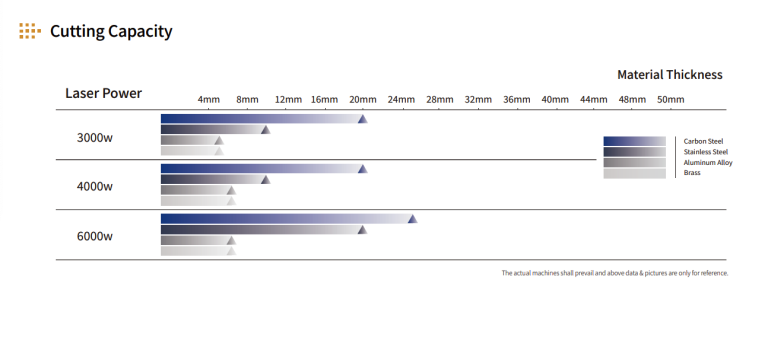
- Assess the types of materials and thicknesses you plan to cut to determine the necessary power level.
- Consider the software and automation features for ease of integration into your current systems.
- Evaluate the total cost of ownership, including maintenance and operational costs, not just the initial purchase price.
- Check if the manufacturer offers training and support to help your team quickly adapt to the new technology.
FAQs
What types of metals can fiber lasers cut?
Fiber lasers can cut a wide variety of metals, including stainless steel, carbon steel, aluminum, brass, and copper.
How does fiber laser cutting improve efficiency?
Fiber lasers offer faster cutting speeds and higher precision, reducing the need for secondary finishing processes and minimizing material waste.
Is fiber laser cutting suitable for all metal thicknesses?
Fiber laser cutting is highly effective for thin to moderately thick metals. For very thick metals, alternative technologies might be more suitable.
What is the lifespan of a fiber laser cutting machine?
With proper maintenance, fiber laser cutting machines can last upwards of 100,000 hours of operation.
Can fiber laser cutting be used for non-metal materials?
While primarily designed for metals, fiber lasers can also cut certain non-metals like plastics and glass, depending on the machine’s specifications.
What safety measures are necessary when operating a fiber laser cutter?
Operators should use appropriate eye protection, ensure proper ventilation, and follow all safety guidelines provided by the manufacturer.
Mastering Fiber Laser Cutting in Metal Fabrication