Discover Why Laser Cutting Leads in Sheet Metal Fabrication
In the ever-evolving world of manufacturing, sheet metal fabrication stands as a cornerstone of industrial production. As technology advances, so do the methods used in this essential process. Among the various techniques available, laser cutting has emerged as a leader, revolutionizing how industries approach metal fabrication. This article delves into why laser cutting is at the forefront of this transformation and how it can elevate your projects to new heights.
Discover the Future of Sheet Metal Fabrication
The future of sheet metal fabrication is being shaped by technological advancements that prioritize efficiency, precision, and innovation. As industries strive to meet growing demands for high-quality and customized products, the need for advanced fabrication techniques becomes more critical. Laser cutting, with its ability to deliver unparalleled precision and versatility, is at the helm of this transformation, setting new standards for what is possible in metalworking.
Laser technology is not just a fleeting trend; it represents a significant leap forward in the capabilities of sheet metal fabrication. By integrating laser cutting into their processes, manufacturers can not only enhance their production capabilities but also streamline operations, reduce waste, and improve overall product quality. As we look to the future, it’s clear that laser cutting will continue to play a pivotal role in driving innovation and efficiency in the metal fabrication industry.
Why Laser Cutting Reigns Supreme Today
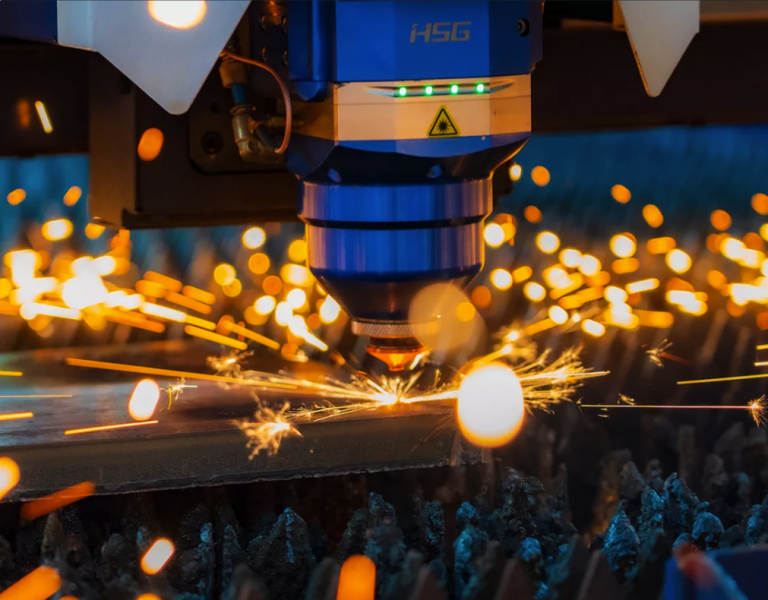
In today’s fast-paced manufacturing environment, the ability to quickly and accurately produce complex designs is paramount. Laser cutting stands out as the premier choice for sheet metal fabrication due to its unmatched precision and adaptability. Unlike traditional methods, laser cutting uses concentrated light beams to cut through metal with remarkable accuracy, allowing for intricate designs that would be impossible with other techniques.
Moreover, laser cutting offers unparalleled flexibility, making it suitable for a wide range of applications across various industries. From automotive to aerospace, and from consumer electronics to medical devices, laser cutting provides the precision and reliability that modern manufacturing demands. Its ability to handle diverse materials and thicknesses further solidifies its position as the go-to solution for today’s fabrication challenges.
Precision and Speed: Laser’s Winning Combo
Precision and speed are the hallmarks of laser cutting technology, making it an indispensable tool in sheet metal fabrication. The laser’s ability to produce clean, accurate cuts with minimal error reduces the need for secondary processing, thereby speeding up production times. This efficiency is crucial in industries where time-to-market can be a deciding factor in a product’s success.
The precision offered by laser cutting also ensures that each piece is manufactured to exact specifications, reducing material waste and ensuring consistency across production runs. This level of accuracy is particularly beneficial for industries that require high standards of quality and reliability. With laser cutting, manufacturers can achieve faster turnaround times without compromising on the precision and quality of the final product.
Cost Efficiency: Save More with Laser Cutting
One of the most compelling advantages of laser cutting is its cost efficiency. By minimizing material waste and reducing the need for additional processing, laser cutting can significantly lower production costs. The technology’s ability to produce complex shapes in a single pass eliminates the need for multiple tools and setups, further streamlining the manufacturing process and reducing labor costs.
Additionally, the durability and low maintenance requirements of laser cutting equipment contribute to long-term savings for manufacturers. Unlike traditional cutting methods that require frequent tool changes and maintenance, laser cutters offer longevity and reliability, ensuring that businesses can maximize their investment over time. By choosing laser cutting, companies can achieve higher productivity and profitability, making it a smart financial decision for any fabrication project.
Unmatched Versatility in Metal Fabrication
Laser cutting’s versatility is unmatched in the realm of metal fabrication, offering solutions for a wide array of materials and applications. Whether working with stainless steel, aluminum, or exotic alloys, laser cutting provides the flexibility needed to tackle diverse projects with ease. This adaptability makes it an ideal choice for industries that require both standard and custom parts.
Furthermore, laser cutting technology is continually evolving, with advancements that expand its capabilities even further. From cutting intricate patterns to engraving and marking, laser cutters can handle a variety of tasks, making them an all-in-one solution for modern fabrication needs. This versatility not only enhances manufacturing capabilities but also opens up new possibilities for innovation and creativity in product design.
Elevate Your Projects with Laser Technology
Incorporating laser cutting technology into your fabrication processes can elevate your projects to new levels of precision and quality. By leveraging the advantages of laser cutting, manufacturers can produce components that meet the highest standards of accuracy and consistency, ensuring that every product is crafted to perfection. This level of excellence can set your business apart in a competitive market, enhancing your reputation and customer satisfaction.
Moreover, the adoption of laser cutting technology can drive innovation within your organization, enabling you to explore new design possibilities and improve your product offerings. With its combination of speed, precision, and versatility, laser cutting empowers manufacturers to push the boundaries of what is possible, creating products that not only meet but exceed customer expectations. By investing in laser technology, you position your business at the forefront of the industry, ready to tackle the challenges of tomorrow’s manufacturing landscape.
As industries continue to evolve and demand more from their manufacturing processes, laser cutting has proven itself to be a vital component of modern sheet metal fabrication. Its unparalleled precision, speed, and versatility make it an indispensable tool for any manufacturer looking to stay ahead of the curve. By embracing laser technology, businesses can achieve greater efficiency, reduce costs, and produce superior products, paving the way for future growth and success. Whether you’re looking to enhance your current operations or explore new opportunities, laser cutting offers the innovation and reliability needed to elevate your projects and exceed industry standards.
Laser cutting has become a leading technique in sheet metal fabrication due to its precision, efficiency, and adaptability to complex designs. As a non-contact process, it minimizes material waste and reduces the risk of mechanical distortion. This method is particularly advantageous in industries requiring high precision, such as aerospace, automotive, and medical device manufacturing. Laser cutting is not only revolutionizing how industries fabricate metal but also elevating the quality and capabilities of the final products.
Maintenance Tips
- Regularly clean the laser lens and mirrors to ensure optimal performance.
- Check and maintain the laser head alignment to prevent inaccuracies.
- Inspect gas pressure levels frequently to maintain cutting quality.
- Ensure proper ventilation around the laser cutter to reduce overheating.
Typical Cost Ranges
The cost of laser cutting machines can vary significantly depending on their power, size, and capabilities. Entry-level models suitable for small businesses or workshops might start around $10,000, while industrial-grade machines with advanced features can exceed $500,000.
Performance Specs
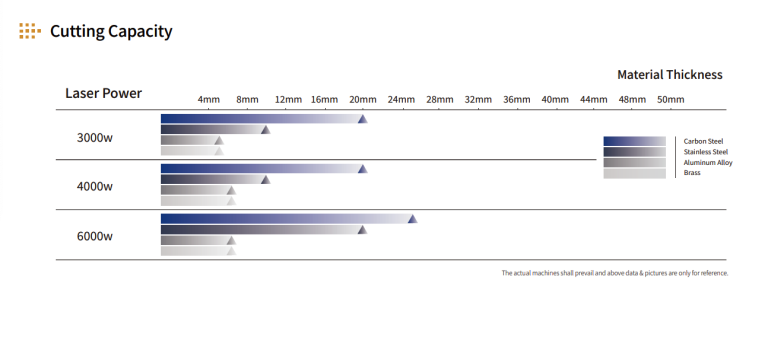
- Cutting Speed: Up to 20 m/min, depending on materials and thickness.
- Material Thickness: Can cut materials up to 20 mm in thickness.
- Precision: Tolerances as low as ±0.1 mm.
- Power Output: Typically ranges from 1 kW to 10 kW.
Buying Advice
- Consider the materials you will be cutting and their thickness when choosing a machine.
- Evaluate the software compatibility for design and production integration.
- Assess the machine’s power requirements and ensure your facility can accommodate them.
- Look for features that enhance safety, such as enclosed cutting areas and emergency stop functions.
FAQs
What materials can be cut using laser cutting?
Laser cutting can be used on a variety of materials, including steel, aluminum, brass, plastics, and more.
Is laser cutting more efficient than traditional cutting methods?
Yes, laser cutting is generally more efficient due to its precision and speed, reducing waste and the need for secondary processes.
How does laser cutting improve design possibilities?
Laser cutting allows for intricate designs and complex shapes that would be difficult or impossible with traditional methods.
What are the environmental impacts of laser cutting?
Laser cutting is relatively eco-friendly as it produces less waste and requires no harmful chemicals.
How safe is laser cutting?
When proper safety protocols are followed, laser cutting is a safe process, with many machines featuring built-in safety measures.
Can laser cutting handle large production runs?
Yes, laser cutting is suitable for both small and large production runs, offering scalability for different project sizes.
Discover Why Laser Cutting Leads in Sheet Metal Fabrication