Unlocking Efficiency: Flat Laser Cutting Advantages
In the fast-paced world of metal fabrication, efficiency is key. Buyers of brake presses, shears, folders, and roll formers are constantly on the lookout for technologies that can streamline their operations and enhance productivity. One such technology that has revolutionized the industry is flat laser cutting. This article delves into the advantages of flat laser cutting, exploring how it can boost productivity and provide cost-effective solutions for metal fabrication companies.
Discover the Power of Flat Laser Cutting
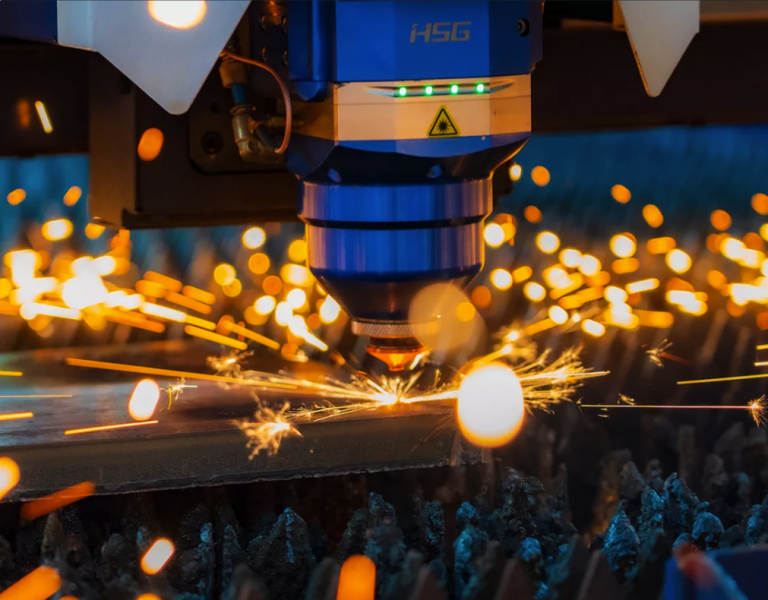
Flat laser cutting has emerged as a game-changer in the metal fabrication industry. This technology uses a focused laser beam to cut through metal sheets with unparalleled precision and speed. Here are some of the power-packed advantages of flat laser cutting:
-
Precision and Accuracy: The laser beam is incredibly precise, allowing for intricate designs and complex shapes to be cut with minimal error. This precision reduces material waste and ensures high-quality outputs.
-
Versatility: Flat laser cutting can handle a variety of materials, including steel, aluminum, and copper. This versatility makes it an ideal choice for companies dealing with diverse fabrication needs.
-
Speed: The cutting process is significantly faster compared to traditional methods. This speed translates to increased throughput and the ability to meet tight deadlines.
-
Minimal Material Distortion: The focused heat of the laser minimizes thermal distortion, preserving the integrity of the material and reducing the need for additional finishing processes.
Boosting Productivity with Precision Cuts
In the competitive arena of metal fabrication, productivity is paramount. Flat laser cutting technology offers several benefits that can significantly enhance productivity:
-
Reduced Setup Time: Unlike traditional cutting methods that require extensive setup, flat laser cutting systems can be programmed quickly, reducing downtime and increasing operational efficiency.
-
Automation Capabilities: Many flat laser cutting machines come with automation features, such as material handling systems and software integration. These features allow for continuous operation, further boosting productivity.
-
Consistency and Repeatability: The precision of laser cutting ensures that each piece is cut to exact specifications, providing consistency across large production runs. This repeatability is crucial for maintaining quality standards.
-
Enhanced Design Flexibility: With the ability to cut complex shapes and patterns, flat laser cutting opens up new possibilities for design innovation, allowing companies to offer unique and customized solutions to their clients.
Cost-Effective Solutions for Metal Fabrication
Investing in flat laser cutting technology can lead to significant cost savings for metal fabrication companies. Here’s how:
-
Reduced Labor Costs: The automation and precision of laser cutting reduce the need for manual intervention, lowering labor costs and minimizing human error.
-
Material Efficiency: The precision of laser cutting minimizes waste, optimizing material usage and reducing the cost of raw materials.
-
Lower Maintenance Costs: Laser cutting machines have fewer moving parts compared to traditional cutting equipment, resulting in lower maintenance and repair costs.
-
Energy Efficiency: Modern laser cutting systems are designed to be energy-efficient, reducing operational costs and contributing to a more sustainable manufacturing process.
Flat laser cutting is not just a technological advancement; it’s a strategic investment for metal fabrication companies looking to enhance efficiency and reduce costs. By embracing this cutting-edge technology, businesses can unlock new levels of productivity and quality. For more insights into how flat laser cutting can transform your operations, check out Flat Laser Cutting Advantages.
Flat laser cutting has significantly transformed the metal fabrication industry by offering a technology that enhances efficiency and productivity. Using a concentrated laser beam, this cutting-edge technology allows for precise and fast cutting of metal sheets, resulting in cleaner edges and reduced material waste. Flat laser cutting is particularly advantageous for companies looking to optimize their operations with cost-effective solutions, as it reduces the need for secondary finishing processes and minimizes production downtime. This article explores the myriad benefits of flat laser cutting and its impact on streamlining metal fabrication processes.
Benefits of Flat Laser Cutting
- Precision and Accuracy: The precision of flat laser cutting is unparalleled, allowing for intricate designs and tight tolerances.
- Speed and Efficiency: The process is significantly faster than traditional cutting methods, reducing lead times.
- Minimal Material Waste: Laser cutting creates less waste due to its precision, optimizing material usage.
- Cost-Effective: Reduces the need for additional finishing processes and labor costs.
- Versatility: Suitable for a wide range of materials and thicknesses.
Maintenance Tips
- Regularly clean the laser lens and mirrors to maintain cutting efficiency.
- Check and calibrate the laser alignment periodically.
- Inspect and replace worn-out components such as nozzles and filters.
- Ensure the cooling system is functioning properly to prevent overheating.
Typical Cost Ranges
The cost of flat laser cutting machines can vary significantly based on the model, brand, and features. Entry-level machines start around $15,000, while high-end industrial models can exceed $500,000. Operational costs, including maintenance and electricity, should also be considered when budgeting.
Buying Advice
When purchasing a flat laser cutting machine, consider the following factors:
- Material Types: Ensure the machine can handle the materials you frequently use.
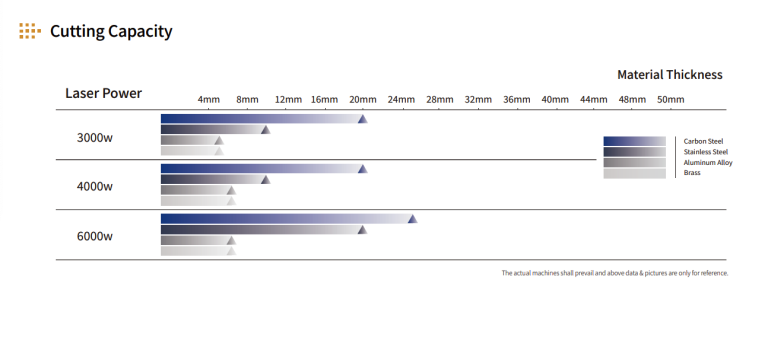
- Cutting Thickness: Choose a machine that meets your required cutting thickness range.
- Power Output: Higher wattage machines typically offer faster cutting speeds and thicker material capabilities.
- Software Compatibility: Verify that the machine’s software integrates smoothly with your current systems.
- After-Sales Support: Opt for a manufacturer with robust customer support and readily available spare parts.
Frequently Asked Questions
What materials can flat laser cutting machines process?
Flat laser cutting machines can process a variety of materials, including steel, aluminum, brass, copper, and some plastics.
How does flat laser cutting compare to plasma cutting?
Flat laser cutting offers more precision and cleaner cuts than plasma cutting, though plasma can be more cost-effective for thicker materials.
What is the typical lifespan of a flat laser cutting machine?
With proper maintenance, a flat laser cutting machine can last over 10 years.
Is laser cutting safe?
Yes, when operated with proper safety measures and equipment, laser cutting is safe.
Can flat laser cutting handle 3D cutting?
Flat laser cutting is specifically designed for flat sheets; however, some advanced models offer limited 3D capabilities.
Do I need special training to operate a flat laser cutting machine?
Yes, operators typically require training to handle the equipment safely and efficiently.
Are there environmental concerns with laser cutting?
Laser cutting is generally considered environmentally friendly due to its precise cutting and minimal waste, but it does consume significant energy.
Unlocking Efficiency: Flat Laser Cutting Advantages