Unlocking the Power: How Fiber Lasers Transform Tech
Unlocking the Power: How Fiber Lasers Transform Tech
In the realm of technology, where precision, efficiency, and innovation are paramount, fiber lasers are rapidly emerging as a transformative force. These cutting-edge tools are redefining the boundaries of what’s possible across various industries, offering unparalleled advantages that are hard to ignore. From revolutionizing manufacturing processes to unlocking new possibilities in innovation, fiber lasers are proving to be a game-changer in the tech world.
Revolutionizing Industries with Fiber Lasers
Fiber lasers are not just a technological advancement; they are a revolution in how industries approach manufacturing and production. Their ability to deliver high power with exceptional precision has made them indispensable in sectors ranging from automotive to aerospace. Unlike traditional lasers, fiber lasers offer a level of control and efficiency that allows for intricate designs and complex geometries, pushing the boundaries of what can be manufactured. This revolution is not limited to heavy industries; even sectors like healthcare and electronics are reaping the benefits of fiber laser technology, leading to more innovative solutions and products.
The versatility of fiber lasers is one of their most compelling features. They can cut, weld, and engrave a wide range of materials, from metals to polymers, with unmatched accuracy. This adaptability is driving industries to rethink their processes, leading to more sustainable and cost-effective operations. As companies continue to seek ways to improve their efficiency and reduce waste, fiber lasers stand out as a critical tool in achieving these goals. The ability to seamlessly integrate into existing production lines without significant overhauls makes fiber lasers an attractive option for businesses looking to stay ahead of the curve.
Fiber Lasers: The Future of Precision Cutting
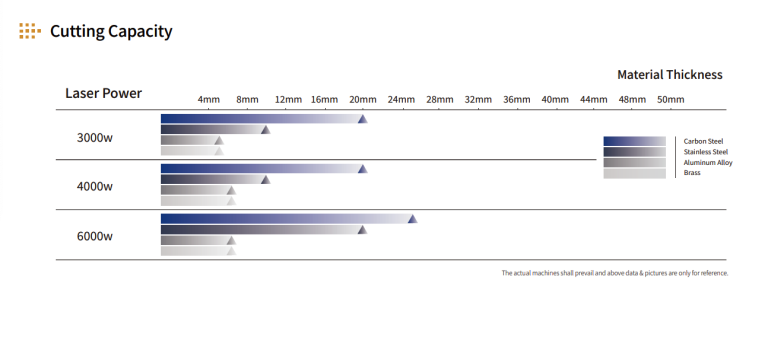
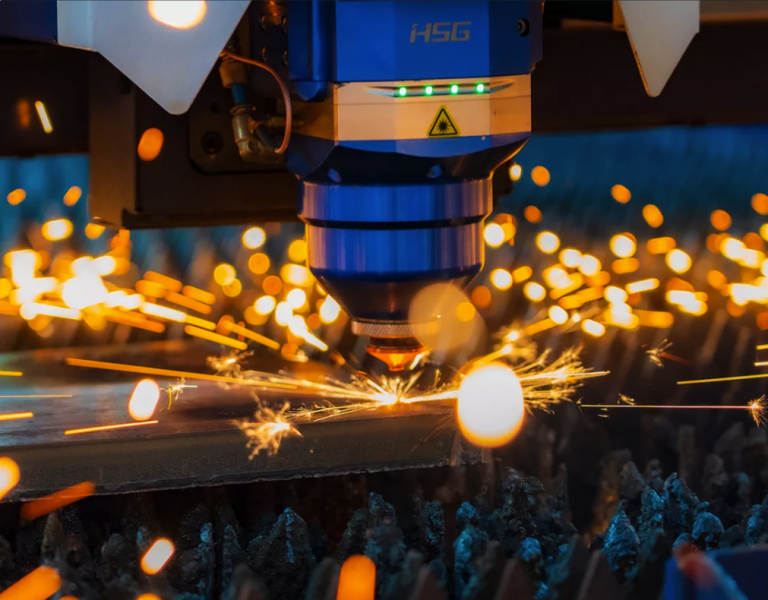
Precision is the hallmark of fiber lasers, making them the future of cutting technologies. Traditional cutting methods often struggle with maintaining accuracy and efficiency, especially when dealing with complex materials or intricate designs. Fiber lasers, however, excel in these areas, offering precise cuts with minimal material waste. This precision is not only beneficial for reducing costs but also for creating high-quality products that meet the stringent standards of today’s markets.
Moreover, fiber lasers are paving the way for advancements in microfabrication and nanotechnology. Their ability to perform at microscopic levels with high precision opens up new avenues for innovation in fields like electronics and medical device manufacturing. As industries demand increasingly sophisticated and miniaturized components, fiber lasers provide the necessary technology to meet these challenges. Their role in precision cutting is not just about improving existing processes but also about enabling new possibilities that were previously unimaginable.
Boosting Efficiency: The Fiber Laser Advantage
Efficiency is a critical factor in any manufacturing process, and fiber lasers offer a significant advantage in this regard. Their high electrical efficiency means they consume less power compared to traditional laser systems, resulting in lower operational costs. This energy efficiency, combined with their low maintenance requirements, makes fiber lasers a cost-effective solution for businesses looking to optimize their production processes.
In addition to energy savings, fiber lasers also enhance production speed. Their rapid processing capabilities allow for faster turnaround times, enabling companies to meet tight deadlines and increase their output without sacrificing quality. This boost in efficiency is particularly beneficial in competitive industries where time-to-market is crucial. By adopting fiber laser technology, businesses can streamline their operations, reduce downtime, and ultimately, improve their bottom line.
Transformative Impact on Manufacturing Tech
The impact of fiber lasers on manufacturing technology is nothing short of transformative. They are reshaping how products are designed, produced, and brought to market. With their ability to cut and engrave with unparalleled precision, fiber lasers are enabling manufacturers to create more complex and intricate products than ever before. This capability is driving innovation and allowing companies to differentiate themselves in crowded markets.
Furthermore, fiber lasers are facilitating the shift towards more sustainable manufacturing practices. Their precision reduces material waste, while their energy efficiency minimizes the environmental footprint of production processes. As industries face increasing pressure to adopt greener practices, fiber lasers offer a viable solution that aligns with both economic and environmental goals. Their transformative impact is not just about improving efficiency but also about fostering a more sustainable future for manufacturing.
Fiber Lasers: A Game-Changer in Innovation
Innovation is at the heart of technological advancement, and fiber lasers are proving to be a game-changer in this arena. Their unique properties are enabling breakthroughs in fields such as telecommunications, where they are used to produce the high-speed, high-capacity fiber optic networks that underpin modern communication systems. This innovation is crucial for supporting the ever-growing demand for data and connectivity in today’s digital world.
Beyond telecommunications, fiber lasers are also driving innovation in emerging fields like additive manufacturing and 3D printing. Their precision and versatility allow for the creation of complex geometries and structures that were previously impossible to achieve. This capability is opening up new possibilities for product development and customization, allowing companies to innovate faster and more effectively. As a game-changer in innovation, fiber lasers are not just enhancing existing technologies but also paving the way for new ones.
Unlocking New Possibilities with Fiber Lasers
The potential of fiber lasers extends far beyond current applications, unlocking new possibilities across a wide range of industries. In the medical field, for instance, fiber lasers are being used for advanced surgical procedures and diagnostics, offering less invasive and more precise options for patient care. This advancement is improving outcomes and opening up new treatment possibilities that were once out of reach.
In the realm of research and development, fiber lasers are enabling scientists and engineers to explore new frontiers in material science and engineering. Their ability to manipulate materials at the microscopic level is leading to the discovery of new materials and applications. As industries continue to evolve and seek new ways to innovate, fiber lasers are poised to unlock possibilities that will shape the future of technology and beyond.
As we stand on the brink of a new era in technology, fiber lasers are proving to be a pivotal force in driving progress and innovation. Their ability to revolutionize industries, enhance precision, boost efficiency, and unlock new possibilities makes them an indispensable tool in the tech landscape. As businesses and industries continue to embrace the potential of fiber lasers, we can expect to see a wave of advancements that will redefine the boundaries of what’s possible, ushering in a future where technology continues to transform our world in unprecedented ways.
Fiber lasers are at the forefront of technological advancement in metal fabrication and other industries, offering unprecedented precision, efficiency, and innovation. These advanced tools are revolutionizing manufacturing processes, enabling industries to achieve higher quality and productivity. With their ability to deliver consistent and high-powered laser beams, fiber lasers are unlocking new possibilities and transforming the tech landscape.
Maintenance Tips
- Regularly clean the laser optics to ensure optimal performance and avoid beam quality degradation.
- Check and maintain proper cooling system function to prevent overheating and potential damage to laser components.
- Conduct routine inspections of electrical connections and power supply units to ensure stable operation.
- Regularly calibrate the laser system to maintain precision and accuracy in cutting or marking tasks.
Typical Cost Ranges
The cost of fiber lasers can vary widely depending on power levels and specific features. Entry-level fiber lasers suitable for small-scale applications may start around $10,000, while high-power industrial-grade models can exceed $500,000.
Performance Specs
- Wavelength: 1070 nm – 1080 nm
- Output Power: Ranges from 20W to several kW for industrial applications
- Beam Quality (M²): Typically less than 1.1
- Efficiency: Up to 30% wall-plug efficiency
- Operational Lifetime: Over 100,000 hours
Buying Advice
When purchasing a fiber laser, consider the specific requirements of your application. Evaluate the necessary power level, beam quality, and compatibility with existing systems. Additionally, assess the manufacturer’s support services and warranty terms to ensure long-term reliability and serviceability.
FAQs
- What industries benefit most from fiber lasers?
- Industries such as automotive, aerospace, electronics, and medical device manufacturing benefit significantly due to the precision and efficiency of fiber lasers.
- How do fiber lasers compare to CO2 lasers?
- Fiber lasers generally offer higher efficiency, better beam quality, and reduced maintenance compared to CO2 lasers, making them suitable for finer cutting and marking applications.
- What materials can be processed with fiber lasers?
- Fiber lasers are versatile and can process a wide range of materials, including metals, plastics, and some ceramics.
- Do fiber lasers require a lot of maintenance?
- Fiber lasers require minimal maintenance compared to other types of lasers, thanks to their solid-state design and fewer moving parts.
- Can fiber lasers be used for welding?
- Yes, fiber lasers are highly effective for welding applications, providing precise control and strong welds for various metals.
- What safety precautions should be taken when using fiber lasers?
- Always wear appropriate protective eyewear, ensure the laser area is well-marked and restricted to trained personnel, and follow all manufacturer safety guidelines.
Unlocking the Power: How Fiber Lasers Transform Tech