Unleashing Precision: Fiber Laser Cutting Benefits
In the ever-evolving world of metal fabrication, precision and efficiency are paramount. As the demand for high-quality metal components increases, so does the need for advanced technology that can meet these exacting standards. Enter fiber laser cutting—a revolutionary technique that is transforming the landscape of metal fabrication. This article delves into the myriad benefits of fiber laser cutting, exploring why precision is crucial and how this cutting-edge technology can significantly boost efficiency in your operations.
Discover the Power of Fiber Laser Cutting
Fiber laser cutting is a game-changer in the metal fabrication industry. Unlike traditional cutting methods, fiber lasers use a highly focused beam of light to cut through metal with unparalleled precision. Here’s why fiber laser cutting stands out:
- High Precision: The concentrated laser beam allows for extremely accurate cuts, reducing material waste and ensuring a cleaner finish.
- Versatility: Capable of cutting a wide range of materials, including stainless steel, aluminum, and copper, fiber lasers are adaptable to various fabrication needs.
- Speed: Fiber lasers cut faster than traditional methods, increasing throughput and reducing lead times.
- Low Maintenance: With fewer moving parts and no need for mirrors or lenses, fiber lasers require less maintenance, leading to reduced downtime.
“Fiber laser cutting is not just a tool; it’s a transformative technology that enhances the capabilities of metal fabrication companies.”
Why Precision Matters in Metal Fabrication
Precision in metal fabrication is more than just a buzzword; it’s a critical component that can make or break a project. Here’s why precision is essential:
- Quality Assurance: Precise cuts ensure that components fit together perfectly, reducing the need for rework and ensuring high-quality end products.
- Cost Efficiency: Accurate cutting minimizes material waste, leading to cost savings on raw materials.
- Customer Satisfaction: Delivering products that meet exact specifications enhances customer satisfaction and builds trust.
- Competitive Advantage: Companies that can consistently deliver precise products are more likely to stand out in a crowded market.
“Precision is the hallmark of excellence in metal fabrication, and fiber laser cutting is the key to achieving it.”
Boost Efficiency with Cutting-Edge Technology
Incorporating fiber laser cutting into your operations can significantly enhance efficiency. Here’s how:
- Automation: Many fiber laser systems come with automated features, reducing the need for manual intervention and increasing productivity.
- Energy Efficiency: Fiber lasers consume less energy compared to CO2 lasers, reducing operational costs.
- Reduced Setup Time: With quick setup and changeover times, fiber lasers allow for more flexible production schedules.
- Improved Safety: The enclosed nature of fiber laser systems enhances safety by minimizing exposure to laser beams and reducing the risk of accidents.
“Efficiency is the backbone of successful metal fabrication, and fiber laser cutting technology is the catalyst for achieving it.”
Fiber laser cutting is not just a technological advancement; it’s a strategic investment that can elevate your metal fabrication operations to new heights. By embracing this cutting-edge technology, you can achieve unparalleled precision, boost efficiency, and gain a competitive edge in the market. For more insights into how fiber laser cutting can transform your business, visit Unleashing Precision: Fiber Laser Cutting Benefits.
Fiber laser cutting represents a significant leap forward in the metal fabrication industry, offering unmatched precision and efficiency. This advanced technology utilizes highly concentrated laser beams to cut through metal with exceptional accuracy, reducing waste and enhancing production capabilities. As the demand for high-quality metal components grows, fiber laser cutting has become a critical tool for manufacturers seeking to meet exacting standards while boosting operational efficiency. By providing cleaner cuts and faster processing times compared to traditional methods, fiber laser cutting is transforming the way industries approach metal fabrication.
Maintenance Tips
- Regularly inspect and clean the laser lens and mirrors to prevent dust buildup, which can affect performance.
- Ensure proper cooling system maintenance to avoid overheating and prolong laser life.
- Check alignment of the laser beam regularly to maintain cutting accuracy.
- Replace worn or damaged nozzles to prevent cutting defects.
Typical Cost Ranges
The cost of a fiber laser cutting machine can vary significantly based on power, brand, and features. Entry-level machines may start around $50,000, while high-end models with advanced capabilities can exceed $500,000. Consider your specific needs and production volume when evaluating cost.
Performance Specs
- Power Output: Typically ranges from 500W to 12kW.
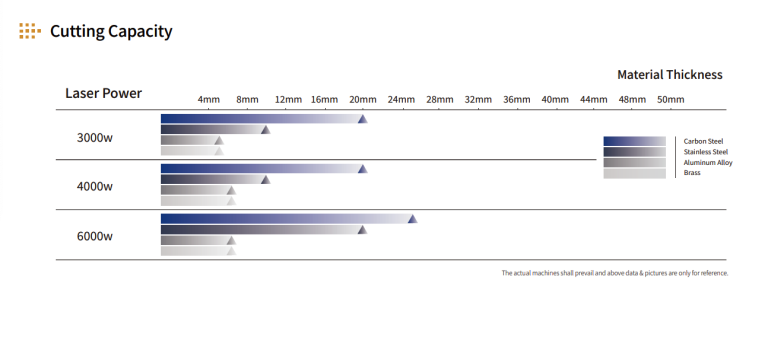
- Cutting Thickness: Can cut through metals up to 30mm thick, depending on the material and machine power.
- Cutting Speed: Varies based on material and thickness, generally up to several meters per minute.
- Precision: Achieves tolerances as low as ±0.1mm, ideal for intricate designs.
Buying Advice
When considering a fiber laser cutting machine, assess your operational needs thoroughly. Determine the types of materials and thicknesses you will be working with most frequently. Evaluate the machine’s power and speed capabilities to ensure they align with your production goals. Additionally, consider the manufacturer’s reputation, warranty, and after-sales support, as these factors can significantly impact the long-term success of your investment.
FAQs
What is the primary advantage of fiber laser cutting over traditional methods?
Fiber laser cutting offers superior precision and speed, reducing material waste and improving production efficiency.
How does fiber laser cutting achieve such high precision?
The highly focused laser beam allows for tight tolerances and clean cuts, even on complex designs.
Is fiber laser cutting suitable for all types of metals?
Yes, fiber laser cutting is versatile and can handle a variety of metals, including steel, aluminum, brass, and copper.
What factors affect the cost of a fiber laser cutting machine?
Machine power, brand, features, and additional options like automation can all influence the price.
Can fiber laser cutters be used for non-metal materials?
While primarily used for metals, some models can cut non-metal materials, but performance may vary.
How often should maintenance be performed on a fiber laser cutter?
Regular maintenance should be performed as recommended by the manufacturer, typically monthly or quarterly, depending on usage.
Unleashing Precision: Fiber Laser Cutting Benefits