Unfolding the Power: Hydraulic Press Brakes’ Legacy
The world of metalworking and manufacturing has been transformed by a powerful force: the hydraulic press brake. This innovative machine has revolutionized the way industries shape and form metal, offering unmatched precision and efficiency. As we delve into the legacy of hydraulic press brakes, we uncover a story of technological evolution, industrial transformation, and the promise of future innovations. From their humble beginnings to their current status as an indispensable tool in modern manufacturing, hydraulic press brakes continue to unfold their power across various sectors.
Discover the Hydraulic Press Brake Revolution
The advent of hydraulic press brakes marked a significant turning point in the metalworking industry. These machines introduced a level of precision and control previously unimaginable, allowing manufacturers to achieve complex bends and shapes with ease. Unlike their mechanical counterparts, hydraulic press brakes utilize a system of hydraulic cylinders to exert force, offering greater flexibility and accuracy. This revolutionized the way metals were formed, enabling the production of more intricate and diverse components across industries.
The hydraulic press brake revolution did not just change the technical aspects of metalworking; it also democratized access to high-quality metal forming. Small to medium-sized enterprises, which previously struggled with the limitations of manual or mechanical press brakes, could now compete with larger manufacturers. The versatility and reliability of hydraulic systems opened new possibilities for innovation and creativity, fostering a competitive landscape where craftsmanship and precision were no longer limited by the size of the operation.
Transforming Industries with Precision Power
Hydraulic press brakes have been instrumental in transforming industries by providing unparalleled precision power. In sectors such as automotive, aerospace, and construction, the demand for high-quality, precisely formed metal components is paramount. Hydraulic press brakes meet these demands by delivering consistent, repeatable results, ensuring that every piece produced meets stringent quality standards. This precision has not only enhanced product quality but also reduced waste, leading to more sustainable manufacturing practices.
Moreover, the versatility of hydraulic press brakes has allowed industries to diversify their offerings and explore new markets. From custom metal fabrication to mass production, these machines have the capability to handle a wide range of materials and thicknesses, adapting to the specific needs of each project. This adaptability has empowered industries to innovate and expand, driving economic growth and fostering a culture of continuous improvement and excellence.
The Evolution: From Manual to Hydraulic Mastery
The journey from manual to hydraulic press brakes is a testament to human ingenuity and the relentless pursuit of efficiency. Initially, metalworkers relied on manual press brakes, which required significant physical effort and skill to operate. These machines were limited in their capabilities, often resulting in inconsistencies and errors. The introduction of hydraulic systems marked a pivotal moment, as it eliminated the need for manual force and allowed for precise control over the bending process.
Hydraulic mastery brought about by these machines has not only improved the quality and accuracy of metalworking but also enhanced safety and ergonomics for operators. The reduced physical strain and increased automation have minimized the risk of injury, making the workplace safer and more productive. As technology continues to advance, hydraulic press brakes are becoming even more sophisticated, incorporating digital controls and smart technologies to further refine the art of metal forming.
Harnessing Efficiency: A Game Changer in Metalwork
Efficiency is the cornerstone of modern manufacturing, and hydraulic press brakes have proven to be a game changer in this regard. By streamlining the metal forming process, these machines have significantly reduced production times and labor costs. The ability to quickly and accurately produce complex shapes has increased throughput and allowed manufacturers to meet tight deadlines without compromising on quality.
Furthermore, hydraulic press brakes have introduced a new level of efficiency in terms of energy consumption and resource management. Advanced hydraulic systems are designed to optimize power usage, reducing the environmental impact of metalworking operations. This focus on sustainability is crucial in today’s manufacturing landscape, where businesses are increasingly held accountable for their ecological footprint. By harnessing the efficiency of hydraulic press brakes, manufacturers can achieve their production goals while aligning with environmental standards and consumer expectations.
Why Modern Manufacturing Relies on Hydraulic Brakes
In the realm of modern manufacturing, hydraulic press brakes are not just a tool; they are a necessity. Their ability to deliver consistent, high-quality results has made them indispensable across various industries. As manufacturing processes become more complex and demanding, the reliability and precision of hydraulic press brakes ensure that manufacturers can keep pace with evolving market needs. This reliability translates into increased customer satisfaction, as businesses can consistently deliver products that meet or exceed expectations.
Moreover, the integration of hydraulic press brakes into automated production lines has further solidified their role in modern manufacturing. These machines can seamlessly collaborate with other technologies, such as robotic arms and CNC systems, to create fully automated, efficient production workflows. This integration not only enhances productivity but also allows manufacturers to scale their operations and explore new opportunities in the global market. As the backbone of modern manufacturing, hydraulic press brakes continue to drive innovation and success.
Unlocking Potential: Future Innovations Await
The future of hydraulic press brakes is filled with potential and promise. As technology advances, these machines are poised to become even more intelligent and adaptable. The integration of artificial intelligence and machine learning could revolutionize the way hydraulic press brakes operate, enabling them to learn from past operations and optimize performance in real-time. This could lead to even greater precision, efficiency, and customization in metal forming processes.
In addition to technological advancements, the future may also see hydraulic press brakes playing a pivotal role in sustainable manufacturing. With a growing emphasis on reducing environmental impact, future innovations could focus on developing eco-friendly hydraulic systems and materials. By unlocking the potential of hydraulic press brakes, industries can continue to thrive and evolve, meeting the challenges of tomorrow while building on the legacy of precision and power established by these remarkable machines.
The legacy of hydraulic press brakes is a testament to the transformative power of innovation in manufacturing. From revolutionizing metalworking processes to driving economic growth and sustainability, these machines have left an indelible mark on industries worldwide. As we look to the future, the potential for further advancements and innovations promises to unlock even greater possibilities. Hydraulic press brakes will undoubtedly continue to be a cornerstone of modern manufacturing, empowering industries to achieve new heights of precision, efficiency, and excellence.
The hydraulic press brake has become a cornerstone of metal fabrication, revolutionizing the way industries approach metal shaping and forming. Known for its unmatched precision and efficiency, this machine has profoundly impacted manufacturing processes, enabling intricate bends and folds in metal with ease. The evolution of hydraulic press brakes parallels the broader technological advancements in industrial machinery, making it an indispensable tool in modern manufacturing. As these machines continue to advance, they promise even greater innovations in metalworking, shaping the future of industrial applications across various sectors.
Maintenance Tips
- Regularly check and replace hydraulic fluid to ensure optimal performance and prevent system wear.
- Inspect the machine’s components, such as hoses and seals, for any signs of damage or wear.
- Calibrate the machine periodically to maintain precision and accuracy in metal bending.
- Ensure all safety mechanisms, such as emergency stops and guards, are functioning correctly.
Typical Cost Ranges
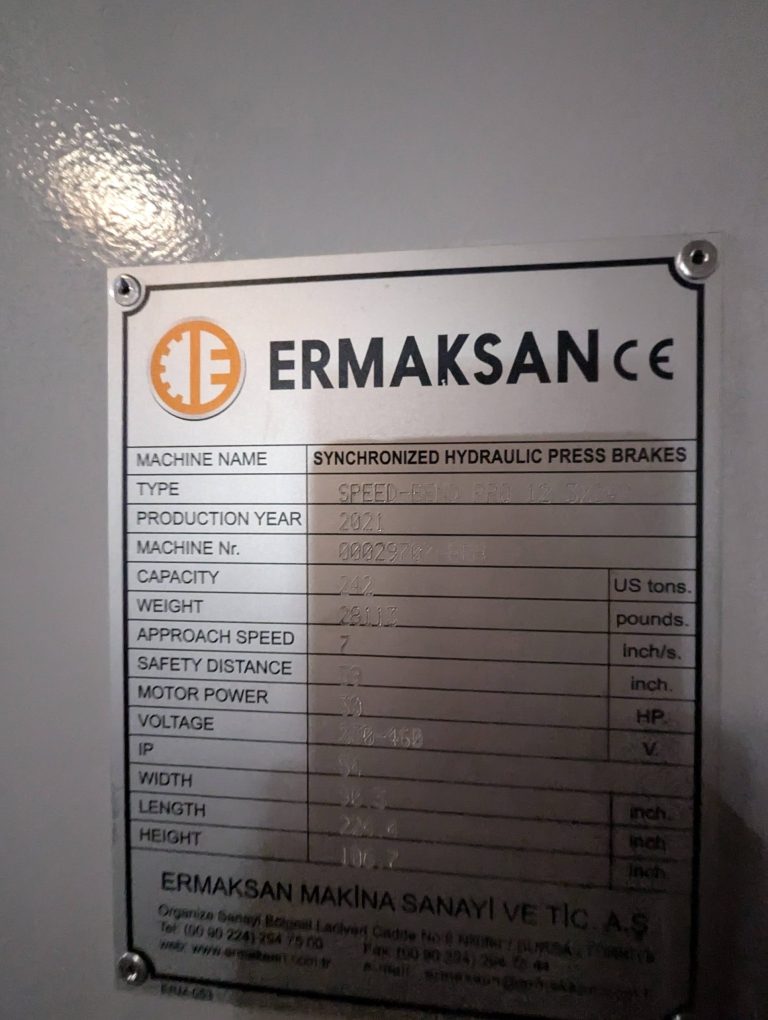
The cost of hydraulic press brakes can vary significantly based on size, capacity, and additional features. Small, basic models may begin around $20,000, while larger, more advanced machines can exceed $100,000.
Performance Specifications
- Bending Capacity: Varies from 20 tons to over 1000 tons.
- Working Length: Typically ranges from 4 feet to 20 feet.
- Precision: Can achieve bending accuracy within ±0.01 mm.
- Speed: Bending speeds vary, with some machines capable of up to 10 bends per minute.
Buying Advice
- Consider the types of materials and thicknesses you will commonly work with to determine the appropriate tonnage and size.
- Evaluate the control system’s ease of use and software capabilities for programming complex bends.
- Assess the manufacturer’s reputation and after-sales support, including warranties and service agreements.
- Determine the space available in your facility to accommodate the machine’s footprint.
Frequently Asked Questions
What is a hydraulic press brake used for? A hydraulic press brake is used for bending and shaping metal sheets and plates, offering high precision and versatility in metal fabrication. How does a hydraulic press brake work? It uses hydraulic power to apply force through a punch onto a metal sheet placed on a die, creating a bend. What materials can be processed with a hydraulic press brake? Common materials include steel, aluminum, brass, and copper, among others. What are the advantages of hydraulic press brakes over mechanical ones? Hydraulic press brakes offer greater control, precision, and flexibility in operations, making them suitable for a wide range of applications. How often should maintenance be performed on a hydraulic press brake? Regular maintenance, such as checking fluids and calibrating the machine, should be performed monthly, with more in-depth inspections annually. Can a hydraulic press brake be used for small-scale projects? Yes, there are smaller models available that are suitable for small-scale and precision projects.Unfolding the Power: Hydraulic Press Brakes’ Legacy