Servo Folding Systems in Coil-Fed Roofing and HVAC Lines: Where Erbend Fits in a Lean Upgrade Strategy
Across roofing, architectural sheet metal, and HVAC production, I am seeing more teams reassess how they form long panels and duct components. Coil-fed lines that were dialed in ten years ago are now under pressure from labor constraints, higher material costs, and tighter delivery windows.
In that environment, the forming station often becomes the constraint. The question I get most is not whether servo folding works, but where it fits without tearing out a press brake that still runs every day. This is where Erbend servo-electric folders can play a very specific, strategic role.
Hydraulic Press Brakes vs. Servo-Electric Folding What Actually Changes on the Floor
The core difference starts with the drive system and motion architecture.
A hydraulic press brake relies on a hydraulic pump and fluid power to drive the ram vertically into the die. Even with modern controls, you still have a system built around hydraulic pressure, seals, oil, and heat management.
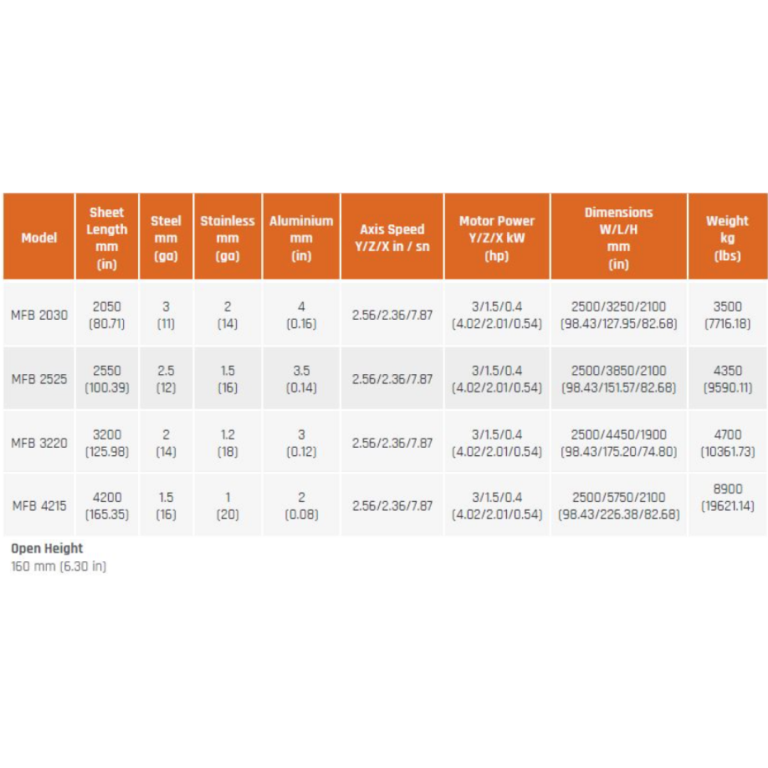
Erbend servo-electric folding systems use electric servo motors to drive a folding beam that pivots the material around a clamping beam. According to Erbend product documentation, the beam movement is precisely controlled by servo drives and CNC systems, rather than hydraulic pressure.
On the shop floor, that translates into:
- Motion profile Minimal vertical ram stroke and more controlled pivoting motion
- Sheet movement Less flipping and repositioning for long panels
- Surface protection Reduced marking risk on painted or coated material
For coil-fed roofing panels, fascia, and long HVAC duct sections, the folding beam approach often means the sheet stays more stable and supported. You are not lifting and rotating 10 to 20 foot panels as frequently between bends.
I do not position servo folding as universally faster than a press brake. In short parts with tight box forms, a brake can still be the right answer. But in long, linear profiles common in roofing and duct work, workflow efficiency often improves because you reduce handling transitions.
Energy, Noise, and Maintenance Implications in Continuous Panel Production
Energy consumption is another area where the two technologies differ.
Traditional hydraulic systems typically maintain pump operation to keep pressure available. In contrast, servo-electric systems draw power primarily during motion. Trade coverage in Fabricating and Metalworking Magazine has highlighted this fundamental difference in how servo-driven forming systems use energy compared to hydraulic platforms.
I avoid throwing around blanket percentage savings because those depend on duty cycle and part mix. What I can say from field experience is this:
- Hydraulic systems Ongoing pump operation, hydraulic fluid, seals, and heat to manage
- Servo-electric systems No hydraulic oil circuit, fewer fluid-related wear points, and lower ambient heat contribution
From a maintenance standpoint, servo folders are not maintenance free. You still have mechanical components, bearings, drives, and control systems to maintain. But you eliminate hydraulic oil changes, potential leaks, filter replacements, and some of the temperature-related issues that come with heavy hydraulic cycling.
For coil-fed operations running long shifts, lower heat and reduced hydraulic service intervals can simplify preventive maintenance planning and reduce unplanned downtime related to fluid systems.
Ergonomics and OSHA-Aligned Risk Reduction in Sheet Handling
In roofing and HVAC shops, the bigger risk is often not tonnage. It is manual handling.
OSHA ergonomics guidance emphasizes reducing repetitive motion, awkward postures, and manual material handling exposures. In panel-based forming, those risks show up when operators repeatedly lift, flip, and reposition long sheets.
With a folding architecture, the sheet is clamped and bent by the moving beam. That design can reduce the number of times an operator has to rotate or re-index a long panel compared to traditional up and down brake sequences.
Risk reduction areas I typically evaluate:
- Repositioning frequency Fewer full panel flips for alternating bends
- Waist-height loading Improved working height with sheet supports
- Pinch point exposure Guarded clamping and controlled beam motion
This does not eliminate ergonomic risk. Operators still handle material and manage part flow. But aligning equipment selection with OSHA principles of exposure reduction is a practical way to lower strain, especially in shops producing repetitive flashing profiles and duct components all day.
Setup Reduction and Program Control in High-Mix Flashing and Duct Work
Many roofing and HVAC lines run high mix, low volume work. Different flashing details, custom transitions, and job-specific duct fittings drive frequent changeovers.
Erbend systems integrate CNC controls with stored programs and programmable backgauges. Product documentation from Erbend outlines control capabilities that allow operators to recall part programs and manage bend sequences digitally.
Where controls such as those referenced by Delem in broader CNC press brake environments support offline programming and network connectivity, similar principles apply to folding systems that integrate with digital job data.
Setup reduction typically comes from:
- Stored part programs Repeatable bend sequences without manual recalculation
- Programmable backgauges Automated positioning for consistent flange lengths
- Reduced tool swaps Especially for linear roofing and duct profiles
In practice, that means less tribal knowledge locked in one experienced operator and more standardized execution. For U.S. contractors and OEM producers dealing with workforce variability, that consistency matters as much as raw speed.
Staged Upgrade Strategy Adding an Erbend Folder Without Rebuilding the Line
I rarely recommend a full line replacement as a first move. A staged upgrade is often more realistic and lower risk.
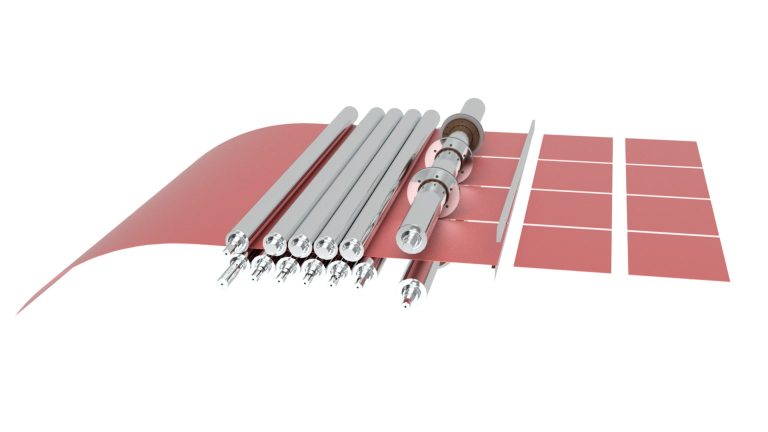
In a typical coil-fed configuration, you have decoiler, straightener, roll former or cut-to-length, then forming and finishing. One practical path is to install a servo folder downstream of cut-to-length while keeping existing press brakes for specialty or box work.
This staged approach can:
- Shift long panel work To a folding platform better suited to that geometry
- Free up press brakes For tighter, multi-flange or heavier parts
- Reduce handling bottlenecks In the main production stream
Over time, you can evaluate whether additional automation, material handling upgrades, or brake replacements make sense. The key is aligning capital spend with measurable workflow improvements rather than chasing incremental cycle time alone.
When Servo Folding Makes Strategic Sense
Servo folding is not a universal replacement for press brakes. In structural components or heavy plate work, hydraulic tonnage still plays a critical role.
But in coil-fed roofing panels, architectural trim, gutters, and HVAC duct lines, Erbend servo-electric folders offer a targeted modernization step. The advantages are less about headline speed and more about:
- Smoother material flow
- Reduced manual repositioning
- Simplified maintenance profile
- More predictable setup and repeatability
For U.S. shops planning capital investment in 2026, the smarter conversation is not brake versus folder in isolation. It is how each technology supports energy management, ergonomic risk reduction, labor stability, and total workflow performance.
When we frame the decision that way, servo folding often fits as a disciplined, staged upgrade that strengthens the entire line without forcing a disruptive overhaul.