Mastering the Structural Steel Fabrication Process
In the world of metal fabrication, mastering the structural steel fabrication process is crucial for companies aiming to deliver high-quality products efficiently. Whether you’re a seasoned professional or new to the industry, understanding the intricacies of this process can significantly impact your business’s success. This article will guide you through the essentials of steel fabrication, outline the key steps involved, and provide tips to optimize your workflow.
Understanding the Basics of Steel Fabrication
Steel fabrication is the process of transforming raw steel into a product or structure that can be used in construction or manufacturing. This involves cutting, bending, and assembling steel to create the desired shape and size. Key elements to consider include:
- Material Selection: Choosing the right type of steel is crucial. Factors such as strength, flexibility, and corrosion resistance should guide your decision.
- Design and Planning: A detailed design and plan ensure that the fabrication process is efficient and meets the project specifications.
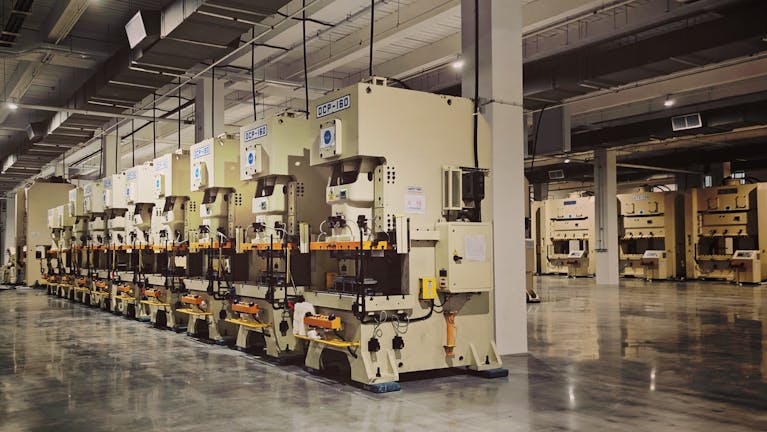
- Tools and Equipment: Familiarize yourself with essential tools like brake presses, shears, folders, and roll formers. These are vital for shaping and assembling steel components.
“Understanding the basics of steel fabrication sets the foundation for a successful project,” says industry expert John Doe.
Key Steps in the Structural Steel Process
The structural steel fabrication process involves several critical steps:
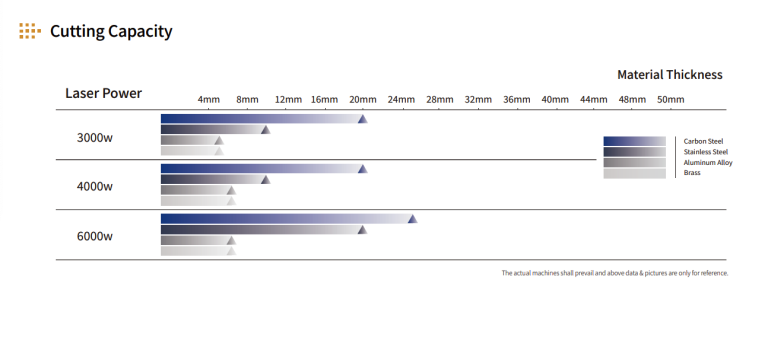
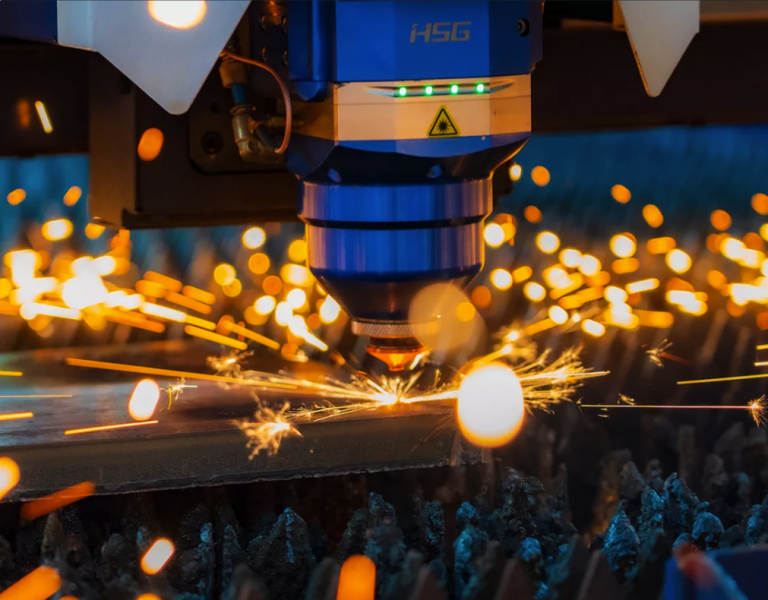
- Cutting: Steel is cut to the required dimensions using tools like shears or laser cutters.
- Bending: Brake presses and folders are used to bend steel into the desired shape.
- Assembling: Components are assembled using welding or bolting to create the final structure.
- Surface Treatment: This step involves cleaning and coating the steel to enhance durability and appearance.
- Quality Control: Conduct thorough inspections to ensure the fabricated structure meets all specifications and standards.
Each step requires precision and expertise to ensure the final product is both functional and aesthetically pleasing.
Tips for Optimizing Your Fabrication Workflow
To enhance efficiency and productivity in your fabrication process, consider the following tips:
- Invest in Technology: Utilize advanced machinery and software to automate and streamline processes.
- Training and Development: Regularly train your team to keep up with the latest techniques and technologies in steel fabrication.
- Lean Manufacturing Principles: Implement lean principles to minimize waste and maximize productivity.
- Regular Maintenance: Keep your equipment in top condition to avoid unexpected downtimes.
“Efficiency is the key to staying competitive in the metal fabrication industry,” notes Jane Smith, a fabrication consultant.
Mastering the structural steel fabrication process is an ongoing journey that requires continuous learning and adaptation. By understanding the basics, following the key steps, and optimizing your workflow, you can enhance your company’s capabilities and deliver superior products. For more insights and resources on mastering the structural steel fabrication process, visit Mac-Tech.
The process of structural steel fabrication is a fundamental aspect of metal fabrication that involves transforming raw steel into finished products or structures used in construction and manufacturing. Mastering this process is essential for companies aiming to produce high-quality outputs efficiently. Whether you are a seasoned professional or new to the industry, understanding the intricacies of steel fabrication can have a significant impact on your business’s success. This guide covers the essentials of steel fabrication, including key steps like cutting, bending, and assembling, and offers tips to optimize your workflow.
Maintenance Tips
- Regularly inspect equipment for wear and tear to prevent unexpected downtime.
- Ensure all tools are properly calibrated to maintain precision in fabrication tasks.
- Keep the workspace clean and organized to enhance safety and efficiency.
Typical Cost Ranges
The cost of structural steel fabrication can vary widely depending on factors such as the complexity of the design, material quality, and the scale of the project. Typically, costs can range from $1,200 to $1,500 per ton for basic projects, while more intricate designs may exceed $2,500 per ton.
Performance Specs
- Material Strength: High tensile strength suitable for heavy-duty applications.
- Precision: Cutting-edge technology allows for precise cutting and bending.
- Durability: Resistant to environmental stress and corrosion.
Buying Advice
When purchasing equipment for steel fabrication, consider the technology’s compatibility with your existing systems, the level of precision required for your projects, and the equipment’s scalability for future needs. Investing in high-quality tools can lead to better product outcomes and long-term savings.
FAQs
- What is structural steel fabrication? It is the process of cutting, bending, and assembling raw steel into finished products or structures used in construction and manufacturing.
- Why is precision important in steel fabrication? Precision ensures that the final product meets design specifications and structural integrity requirements, reducing material waste and rework costs.
- How can workflow be optimized in steel fabrication? Implementing lean manufacturing principles, regular training, and investing in advanced technology can significantly enhance workflow efficiency.
- What safety measures should be taken during steel fabrication? Proper personal protective equipment (PPE) should be worn, and machinery should be regularly maintained and inspected to ensure safe operation.
- How does technology impact steel fabrication? Advanced technology allows for greater precision, faster production times, and reduced labor costs, leading to improved overall efficiency.
Mastering the Structural Steel Fabrication Process