Master Your Choice: 3 Tips for 2D Fiber Laser Success
In the world of modern manufacturing and precision engineering, 2D fiber laser technology stands as a beacon of innovation and efficiency. As industries increasingly adopt this cutting-edge technology, understanding how to harness its full potential becomes crucial. Whether you’re a seasoned professional or just starting in the field, mastering your choices in laser operations can significantly impact your success. This article delves into three essential tips that will guide you in making informed decisions, optimizing performance, and ensuring the longevity of your 2D fiber laser systems.
Unleash the Power of 2D Fiber Laser Technology
2D fiber laser technology has revolutionized the way industries approach cutting and engraving processes. Its precision, speed, and versatility make it an invaluable tool across various sectors, from automotive to electronics. The ability to produce high-quality cuts with minimal waste and energy consumption sets fiber lasers apart from traditional methods. By leveraging this technology, businesses can enhance their production capabilities, reduce costs, and maintain a competitive edge in the market.
However, to truly unleash the power of 2D fiber lasers, one must understand the intricacies of the technology. This involves not only recognizing its strengths but also identifying the specific applications where it excels. By aligning the capabilities of fiber lasers with your operational goals, you can unlock new opportunities for innovation and efficiency. Embracing this technology is more than just an upgrade; it’s a strategic move towards a future of precision and sustainability.
Why Your Choices Matter in Laser Operations
In the realm of laser operations, the choices you make can significantly influence the outcome of your projects. From selecting the right equipment to fine-tuning operational settings, each decision plays a pivotal role in determining the quality and efficiency of your work. With the rapid advancements in laser technology, staying informed about the latest developments and options available is more important than ever.
Choosing the right 2D fiber laser system is not merely a technical decision; it’s a strategic investment in your business’s future. The wrong choice can lead to inefficiencies, increased costs, and missed opportunities. On the other hand, a well-informed decision can enhance productivity, improve product quality, and drive innovation. By understanding the impact of your choices, you can navigate the complex landscape of laser technology with confidence and clarity.
Tip 1: Selecting the Right Laser for Your Needs
The first step towards mastering 2D fiber laser success is selecting the right laser for your specific needs. This involves a thorough assessment of your operational requirements, including the types of materials you work with, the complexity of your designs, and your production volume. By clearly defining your needs, you can narrow down the options and choose a laser system that aligns with your objectives.
Consider factors such as power output, beam quality, and software compatibility when making your selection. A laser system that excels in one area might fall short in another, so it’s crucial to evaluate all aspects before making a decision. Consulting with experts and leveraging industry resources can provide valuable insights and help you make an informed choice that maximizes your investment.
Tip 2: Optimize Settings for Peak Performance
Once you have selected the right laser, optimizing its settings is key to achieving peak performance. This involves adjusting parameters such as speed, power, and focus to match the specific requirements of each project. Fine-tuning these settings can significantly enhance the quality of your cuts and engravings, reducing waste and improving efficiency.
Regularly reviewing and updating your settings based on project outcomes and technological advancements is essential. Staying agile and responsive to changes ensures that your laser operations remain at the forefront of efficiency and quality. By continuously optimizing your settings, you can maintain a high level of performance and adapt to evolving industry standards.
Tip 3: Maintenance Strategies for Longevity
To ensure the longevity of your 2D fiber laser system, implementing effective maintenance strategies is crucial. Regular maintenance not only extends the lifespan of your equipment but also prevents unexpected breakdowns and costly repairs. Establishing a routine maintenance schedule that includes cleaning, inspection, and calibration can help keep your laser system in optimal condition.
Investing in training for your team on proper maintenance techniques and troubleshooting can further enhance the reliability of your operations. By prioritizing maintenance, you safeguard your investment and ensure consistent performance over time. A well-maintained laser system is not only a testament to your commitment to quality but also a foundation for long-term success in laser operations.
Achieve Success with Informed Laser Decisions
Success in 2D fiber laser operations is not a matter of chance; it is the result of informed and strategic decision-making. By selecting the right laser, optimizing settings, and maintaining your equipment, you lay the groundwork for efficiency and excellence. Each choice you make contributes to the overall success of your operations, driving innovation and competitiveness.
Embrace the power of informed decisions and take control of your laser operations. With the right strategies in place, you can unlock the full potential of 2D fiber laser technology and achieve unparalleled success in your industry. Let your choices be guided by knowledge and foresight, and watch as your business thrives in the ever-evolving landscape of precision engineering.
Mastering your choices in 2D fiber laser operations is a journey that requires knowledge, strategy, and commitment. By following these three essential tips, you can harness the full potential of this powerful technology and drive your business towards greater heights. Remember, every decision you make shapes your path to success. Equip yourself with the right tools, optimize your processes, and prioritize maintenance to ensure that your laser operations remain at the cutting edge. With informed choices, you can transform challenges into opportunities and achieve lasting success in the dynamic world of laser technology.
2D fiber laser technology has become an essential component in modern manufacturing and precision engineering, offering unmatched innovation and efficiency. As more industries integrate this advanced technology, understanding how to leverage its capabilities is key to achieving operational success. Whether you’re a veteran in the field or new to laser operations, making informed decisions can significantly enhance performance and extend the lifespan of your 2D fiber laser systems. This guide provides three vital tips to optimize your laser operations, ensuring you harness the full potential of this revolutionary technology.
Maintenance Tips
- Regularly clean optical lenses and mirrors to prevent residue build-up that can affect laser performance.
- Ensure proper alignment of the laser beam to maintain cutting precision and reduce wear on components.
- Schedule routine inspections to check for signs of wear and tear, particularly in high-use environments.
Typical Cost Ranges
The cost of 2D fiber laser systems can vary widely depending on power, features, and brand. Entry-level models may start around $20,000, while high-end industrial systems can exceed $150,000.
Performance Specs
- Wavelength: Typically around 1070 nm
- Power Output: Ranges from 500 W to 10 kW depending on the model
- Cutting Speed: Up to 120 m/min for thin materials
- Precision: Capable of cutting with a tolerance of +/- 0.1 mm
Buying Advice
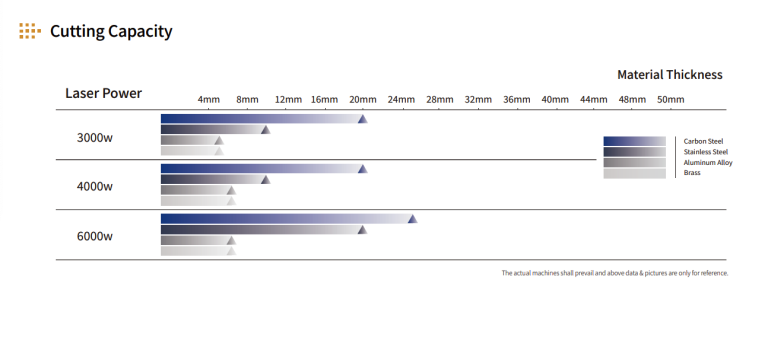
When purchasing a 2D fiber laser, consider the types of materials you will be cutting, the thickness requirements, and your production volume. It is wise to invest in a system that offers the flexibility to handle a variety of tasks and has robust support from the manufacturer for maintenance and repairs.
FAQs
What materials can a 2D fiber laser cut? A 2D fiber laser can cut a variety of materials including steel, aluminum, brass, copper, and some plastics.
How does a 2D fiber laser differ from a CO2 laser? 2D fiber lasers generally offer higher efficiency, faster cutting speeds, and lower maintenance compared to CO2 lasers.
Is it difficult to learn how to operate a fiber laser system? While some training is required, many systems are designed with user-friendly interfaces and comprehensive tutorials to ease the learning process.
How often should I perform maintenance on my laser system? Basic maintenance should be performed daily, with more thorough check-ups scheduled monthly or quarterly based on usage.
Can a 2D fiber laser engrave as well as cut? Yes, many 2D fiber lasers are capable of both cutting and engraving tasks, making them versatile tools for various applications.
What safety measures should I take when using a fiber laser? Always wear appropriate eye protection, ensure the workspace is well-ventilated, and follow all recommended safety protocols provided by the manufacturer.
Master Your Choice: 3 Tips for 2D Fiber Laser Success