Enhance Metal Fabrication Efficiency with Gantry Fiber Laser Cutting Systems
Meeting production targets and exceeding quality expectations is a point of pride for every fabrication shop. As your operation grows, the ability to cut precisely and at high speeds directly impacts customer satisfaction and your bottom line. Gantry fiber laser cutting systems are powerful assets that forward-thinking operations managers are turning to for a competitive edge. With top-tier precision and automation features, gantry fiber lasers stand out in the world of modern metalworking. Investing in this technology speaks not only to technical excellence but also to a work ethic committed to continuous improvement and real-world results.
Integrate Gantry Fiber Laser Technology into Your Workflow
Bringing gantry fiber laser technology into your metal fabrication workflow doesn’t require a massive overhaul—all it takes is strategic planning and the right equipment selection. Gantry-style fiber lasers, like the Gantry series from Mac-Tech, are built to accommodate a wide range of sheet and plate sizes, making them versatile for both job-shop and high-volume environments. Their design allows for straightforward integration with existing production lines, often requiring only minor adjustments to floor layout and logistics.
Sales-wise, gantry fiber laser systems complement your existing tools. They can seamlessly fit within progressive assembly processes, reducing excessive material handling. With features like automatic sheet loading and unloading, your team spends less time on manual tasks and more on value-added work, leading to measurable efficiency gains.
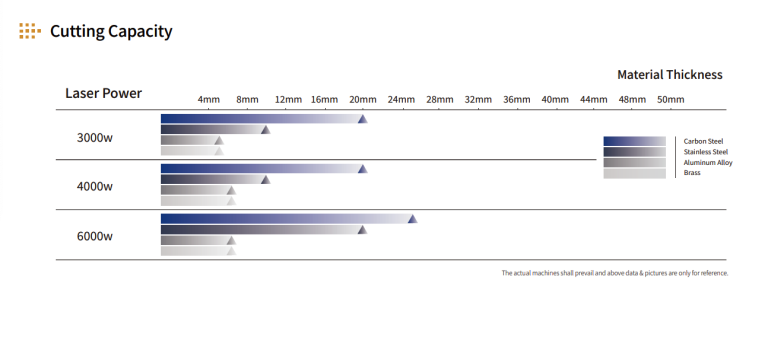
When selecting a machine, consider your production volumes, material types, and available floor space. For operations with varied thickness requirements, opt for systems with tailored power options—Mac-Tech’s Gantry fiber lasers offer several wattage levels, ensuring optimal cut performance without unnecessary energy costs.
Optimize Cutting Performance with Advanced Laser Features
Gantry fiber laser systems come equipped with the latest advancements in laser cutting technology. These features translate into better productivity and much tighter control over your finished products. The precision motion of the gantry architecture means the laser head moves with minimal vibration, while advanced controls allow operators to set precise cutting paths and speeds for each material.
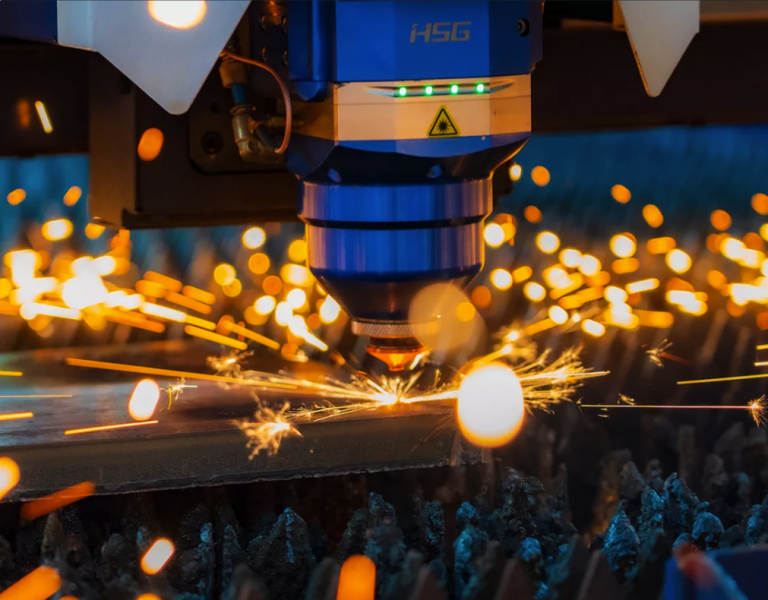
One standout advantage is auto-adjust focus heads. This feature automatically optimizes the laser’s focal point for every cut, eliminating downtime spent on manual adjustments and reducing scrap rates. High-powered fiber sources slice through stainless steel, carbon steel, aluminum, and more with clean, burr-free results.
From a sales and logistics perspective, such automated features keep your shop running longer hours with fewer operator interventions. You can recommend the Gantry fiber laser for shops transitioning from slower, older plasma or CO2 systems, as they’ll see an immediate jump in accuracy, part consistency, and throughput.
Achieve Superior Edge Quality and Precision in Metal Fabrication
Every production manager knows that post-processing can eat into profits if your parts come off the table with rough or inconsistent edges. Gantry fiber lasers are engineered to deliver exceptional edge quality right off the machine. Thanks to high beam quality and stable gantry motion, cuts are sharp and highly repeatable, even on intricate part geometries.
Technical advances in the laser head and optics reduce thermal distortion and minimize dross formation. This saves your staff time on grinding and cleaning, letting them move parts straight from cutting to assembly or secondary processes. For shops focused on progressive assembly lines, this reduction in rework and material handling translates into smoother workflows and faster order turnarounds.
When choosing a system, look for models with closed-loop feedback and real-time monitoring—key features found in Mac-Tech’s Gantry fiber lasers. These systems automatically compensate for material variances and environmental factors, keeping part quality consistent across batches.
Reduce Downtime and Increase Throughput in Production Lines
Downtime can cripple a busy production schedule, so every shop manager is laser-focused on keeping machines running. Gantry fiber laser cutting systems are designed for reliability and uptime. Key features like remote diagnostics, predictive maintenance alerts, and quick-change consumables mean less waiting and more productive hours per shift.
Because these systems handle both thin and thick sheets efficiently, you can schedule diverse jobs back-to-back with no major setup changes. The result: higher throughput, full utilization of expensive material, and fewer production bottlenecks. Large-format gantry designs, such as those offered by Mac-Tech, provide expanded cutting envelopes to accommodate multiple jobs simultaneously, further boosting daily output.
Logistically, less downtime means easier labor planning, optimized shift management, and better ability to meet rush orders. On the sales side, these reliability advantages make fiber lasers a winning investment for shops looking to scale up or transition to 24/7 operation.
Improve Operational Safety and Sustainability in the Shop Floor
Modern gantry fiber lasers are built with safety and sustainability at the forefront. Enclosed cutting areas protect operators from direct laser exposure and flying debris, while integrated dust and fume extraction keeps the air clean. Automated part handling reduces the risk of injuries from heavy lifting or repetitive motions.
These systems are far more energy efficient than older cutting technologies, translating into lower utility bills and a smaller carbon footprint. Fiber lasers use significantly less power versus CO2 alternatives, and advanced cooling systems further reduce environmental impact.
Operationally, this means safer and more comfortable working conditions for staff, easier compliance with workplace regulations, and a more sustainable overall facility. All these features make the Gantry fiber laser lineup from Mac-Tech not just a sound business decision, but a responsible one.
Frequently Asked Questions
What makes gantry fiber lasers faster than conventional systems?
Their advanced motion control, high-powered fiber source, and automated features minimize manual intervention and maximize cutting speeds.
How do they improve edge quality compared to plasma or CO2 cutters?
The focused laser beam provides cleaner, more precise cuts with less heat distortion, resulting in smoother edges and minimal need for finishing.
Are gantry fiber lasers suitable for small shops or only high-volume environments?
They are versatile and scalable—perfect for job shops needing flexibility as well as large facilities requiring high throughput.
What are the maintenance requirements?
Predictive maintenance software and modular components keep routine upkeep simple and downtime to a minimum.
How do I choose the right power rating?
Consider your most commonly used material types and thicknesses; Mac-Tech’s experts can help match your requirements to the best wattage option.
Is operator training difficult?
Most gantry fiber lasers feature user-friendly interfaces, and suppliers like Mac-Tech offer comprehensive operator training to ensure a fast learning curve.
If you’re ready to take your shop’s efficiency, quality, and capacity to the next level, gantry fiber laser cutting systems are an investment that pays ongoing dividends. Whether you’re upgrading existing equipment or designing a new production line, Mac-Tech’s Gantry line offers the versatility, reliability, and advanced technology to meet your real-world metal fabrication challenges. For a tailored consultation or shop evaluation, reach out to Mac-Tech’s team—they’re ready to help you build your operation’s future.
Gantry fiber laser cutting systems combine high-speed, high-precision cutting with automated material handling to significantly improve throughput, cut quality, and overall efficiency in modern metal fabrication operations.
At a Glance
- Purpose-built for high-volume, high-accuracy cutting of sheet and plate metals in industrial fabrication environments.
- Gantry architecture supports large working envelopes suitable for full-size sheets and nested part production.
- Fiber laser source provides efficient energy use, fast cutting speeds, and suitability for a wide range of metals.
- Well-suited to automated, “lights-out” production when integrated with material loading/unloading systems.
- Best applied where precision, repeatability, and reduced secondary operations are critical to part cost.
- Typically integrated into smart manufacturing cells with CNC control, nesting software, and production data feedback.
Typical Cost Ranges
- Pricing estimate (USD): $1,050,000 – $2,500,000 USD, depending on power, table size, automation, and options.
- Entry-level gantry fiber systems in this class generally represent the lower end, with moderate power and basic automation.
- Mid-range configurations add higher laser power, larger cutting beds, and more advanced motion or process monitoring.
- Premium systems at the top of the range often include high-power sources, extended gantry travel, and integrated material towers or pallet systems.
- Installation, training, and integration into existing production workflows typically add to the overall project budget.
- Operating costs are driven by power consumption, assist gas usage, consumables, and maintenance of motion and optical components.
Performance / Spec Considerations
- Laser power level: Higher wattage supports faster cutting and thicker materials, while lower power may be sufficient for thinner-gauge work.
- Gantry travel and table size: Larger working areas allow full-sheet processing and more efficient nesting, reducing material waste and handling time.
- Positioning accuracy and repeatability: Critical for tight-tolerance parts and minimizing rework, especially in multi-shift production.
- Cutting speed and acceleration: Affects throughput and cycle times; higher dynamics are especially important for intricate geometries and high part counts.
- Material compatibility and thickness range: Confirm capabilities for the specific metals and thicknesses (e.g., stainless, carbon steel, aluminum) used in your operation.
- Automation and material handling options: Shuttle tables, load/unload systems, and storage towers can greatly reduce manual intervention and downtime.
- Control system and software: Look for intuitive CNC interfaces, nesting optimization, and connectivity for production monitoring or integration with existing systems.
Buying Advice
- Define your primary materials and thickness ranges to ensure the selected laser power and optics are properly matched to your work mix.
- Verify table size and gantry travel accommodate your largest sheet or plate formats, plus any anticipated future size requirements.
- Inspect the machine’s structural rigidity and gantry design for stability at high speeds, which directly impacts cut quality and accuracy.
- Evaluate motion system components (rails, drives, and feedback devices) for precision, durability, and ease of maintenance.
- Assess automation options—such as shuttle tables or automated loading/unloading—to determine the best balance between capital cost and labor savings.
- Review the control interface and software capabilities, including nesting, job scheduling, and data logging features relevant to your workflow.
- Confirm accessibility for routine maintenance, including lens access, filter changes, and lubrication points on the gantry and drives.
- Ask about training and support resources to help operators quickly reach proficiency and maintain consistent performance.
- Consider facility requirements such as floor space, power supply, ventilation, and material flow around the gantry system.
- Request sample cuts on your actual materials and thicknesses to validate cut quality, edge condition, and cycle times before committing.
Common Questions
How does a gantry fiber laser cutting system improve efficiency in metal fabrication? By combining high cutting speeds, precise motion control, and large-format handling, gantry fiber systems reduce cycle times, minimize manual handling, and often reduce or eliminate secondary operations such as deburring or machining.
What types of metal can typically be processed on these systems? They are generally used for a range of metals commonly found in fabrication shops, such as carbon steels, stainless steels, and aluminum alloys, within the thickness limits specified by the laser power and optics configuration.
Why choose a gantry architecture for a fiber laser cutter? The gantry design supports large working envelopes and stable, repeatable motion across the entire table, which is important for full-sheet processing and consistent part accuracy.
How important is laser power when selecting a system? Laser power directly affects maximum cutting thickness and speed; selecting an appropriate power level ensures that your most common materials and thicknesses can be processed efficiently without overspending on unnecessary capacity.
Can these systems be integrated into automated production lines? Yes, they are often integrated with automated loading/unloading equipment, storage systems, and production control software to enable higher levels of automation and “lights-out” operation.
What factors influence the overall project cost beyond the base machine price? In addition to the machine itself, costs may include installation, operator training, facility modifications, automation options, and integration with existing material handling or software systems.
How does table size affect productivity? Larger tables allow full-sheet nesting and longer unattended runs, reducing material changeovers and enabling more efficient use of raw material.
What should be checked during a site visit or factory acceptance test? Typical checks include verifying positioning accuracy, observing cut quality on your materials, reviewing cycle times, and confirming that controls, safety systems, and automation features perform as specified.
Are gantry fiber laser systems suitable for small-batch or prototype work? They can be used for small batches and prototypes, but their strengths are most evident in environments where high throughput and repeatability justify the investment.
How do I plan for maintenance and uptime? Work with the supplier to understand recommended maintenance intervals, access to critical components, availability of spare parts, and support response times, then incorporate these into your production planning.
Source: Enhance Metal Fabrication Efficiency with Gantry Fiber Laser Cutting Systems
Enhance Metal Fabrication Efficiency with Gantry Fiber Laser Cutting Systems