Bodor Fiber Laser Cutting Machines for Efficient Metal Fabrication Operations
Every production manager knows that saving time, boosting accuracy, and reducing waste are crucial for the shop floor. Quality laser cutting technology doesn’t just help you meet deadlines; it lets you tackle tougher jobs, win more contracts, and build trust with your customers. Bodor Fiber Laser Cutting Machines, available through platforms like Mac-Tech, represent a leap forward in these critical areas, providing solutions for today’s demanding fabrication environments. Here’s a look at what makes Bodor stand out and how to make it work in your operations.
Understanding the Technology Behind Bodor Fiber Laser Cutting Machines
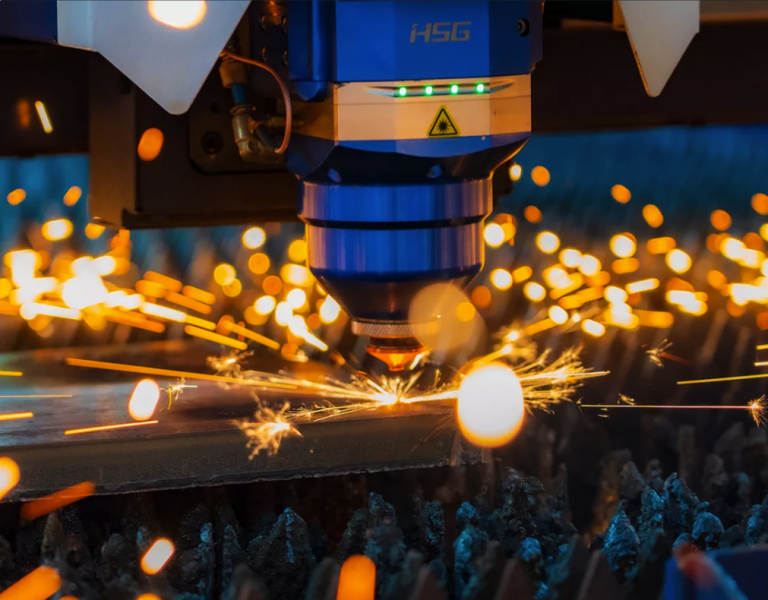
Bodor fiber lasers bring the latest laser cutting innovation directly to the metal fabrication floor. Instead of relying on older CO2 or plasma systems, fiber lasers use fiber optics to deliver a concentrated beam capable of slicing through metals with precision. This technique generates less heat, meaning less distortion and superior accuracy on cuts, even during long production cycles.
Sales teams often recommend Bodor laser systems because their technology cuts steel, stainless, aluminum, and copper with speed and clean edges. The high-powered fiber laser, from a source such as the Bodor P3 series, operates efficiently on thin-to-thick metals. This reduces the number of passes needed and minimizes part rework. When putting together an assembly line, the transition to fiber means less post-processing and less part handling down the line.
Logistically, fiber laser cutting machines require less floor space since there are fewer moving parts and less need for external gas lines than older tech. This streamlined installation adds to your shop’s overall productivity, enabling smarter material flow and safer operator access.
Key Features Enhancing Precision and Efficiency
Bodor machines have built-in features tailored for fast-paced production. CNC controls with user-friendly touch screens allow even newer operators to set up jobs quickly. Automatic focusing for the cutting head means quicker job changeovers, reducing downtime and boosting throughput. For example, the Bodor C3 series has an intelligent nozzle changer and camera-based alignment, which slashes prep time between jobs.
If your shop does a variety of metals and thicknesses, Bodor’s dual-drive linear motors and robust gantry construction maintain cut precision even at high speeds. This consistency helps you move seamlessly to downstream processes like bending and welding with less need to sort out rejected parts.
Recommendations from the field highlight how these features help with larger batch runs or progressive assembly. Fewer manual adjustments reduce the risk of error, and consistent quality limits the need for heavy inspection. A Bodor i7 unit, for example, can cut components for subassemblies rapidly, letting you sequence processes closer together and reduce material storage needs.
Advantages of Fiber Laser Cutting in Metal Fabrication
Switching to Bodor fiber lasers isn’t just about having new tech on the shop floor; it’s about transforming how you fabricate. Compared to traditional cutting methods, fiber lasers offer better edge quality, tighter tolerances, and faster overall completion. Fewer consumables lower your long-term costs, and the energy efficiency of fiber lasers means reduced utility expenses.
For operations juggling multiple orders or quick-turn prototypes, rapid programming and low setup times allow you to slot urgent jobs into the schedule without holding up mainline production. Because Bodor machines can handle reflective metals like aluminum and copper without risking downtime, shops can expand the variety of metals they confidently process in-house.
Recommendations for high-mix, low-volume shops would include the Bodor S series for its agility and adaptability, ensuring you can switch jobs with minimal delay. Heavy-duty environments tackling thicker stock day in and day out might find the Bodor P3 with higher wattage more suitable, especially where assembly flow counts on consistent part input.
Best Practices for Integrating Bodor Lasers into Your Production Workflow
Successful implementation of Bodor fiber lasers involves planning for both people and parts. Sales specialists often advise surveying your material flow and arranging the machine for same-side loading and unloading, trimming unnecessary handling. Position stacking carts and handoff areas as close as possible to the laser’s output. This supports a progressive assembly process, meaning you can route parts immediately to secondary ops.
For integrating with your ERP or shop management software, Bodor’s CNC systems can connect with scheduling programs. This ensures tracking of order status and material use in real time—one less headache as demand scales up.
Choose machine options with automation (sheet feeders, part sorters) if your workflow favors lights-out or two-shift operations. In shops pushing for higher throughput, incorporating Bodor’s modular quick-change tables will speed up sheet changes, ensuring the laser keeps running and not your staff.
Technical requirements to consider include clean, stable shop power and a controlled environment. Fiber lasers do best in spaces with minimal dust and temperature swings, protecting sensitive optics and CNC controls. Before installation, plan cable runs, extraction systems, and operator vantage points for safe, efficient use.
Maintenance Strategies to Maximize Machine Longevity and Productivity
Proper maintenance is the backbone of reliable shop output. Bodor lasers feature alert systems for filter changes and lens cleaning, supporting preventive action, not emergency fixes. Always follow the OEM maintenance schedule in your shop’s digital calendar or ERP, so intervals never slip.
Effective operators check nozzles, optics, and lubricate axes at every shift start, but full system inspections by trained techs—either in-house or through Mac-Tech support—catch issues before they become breakdowns. This keeps uptime high and minimizes expensive overnight service calls.
Parts like chiller fluids and filters should be kept in stock. Bodor’s local support lines can ship replacements quickly, so your operation doesn’t stall. Trained teams can swap modular components, like fiber sources and cutting heads, reducing the need for outside intervention.
Sales advisers often recommend annual performance reviews, correlating service data with actual cut hours and throughput. This helps identify trends in downtime or inefficiencies, supporting ongoing improvements to your workflow.
FAQ
How do Bodor fiber lasers reduce setup and production times?
Smart CNC features and automatic focusing minimize manual adjustments, meaning faster changeovers and less standing idle.
Can these machines handle both light-gauge and thick plate material?
Yes, Bodor has models suited for a wide range, with customizable power levels to match your shop’s regular workload.
Is operator training complicated?
Bodor’s interface is intuitive, and most fabricators can run jobs after short training sessions offered by authorized distributors or online modules.
What is the cost benefit versus traditional cutting methods?
Fiber lasers lower consumable, energy, and labor costs over time, delivering a faster return on investment compared to CO2 or plasma.
What type of facility modifications are required before installation?
Plan for a stable power supply, proper ventilation, and safe access for material handling in your current shop footprint.
How can I ensure my team keeps the machines running efficiently?
Implement routine maintenance and leverage Bodor’s built-in alerts; regular checks and parts replacement are key to performance.
For production managers seeking to upgrade their metal cutting capabilities, Bodor fiber lasers offer real, usable solutions that fit modern fabrication’s pace. Backed by proven technology, practical machine options for varied needs, and strong support, taking the leap means more productivity with less downtime. For more information and specific machine recommendations tailored to your shop size and workload, visit Bodor at Mac-Tech or consult an authorized distributor. Deploying the right laser cutting system today means winning more jobs and building a solid manufacturing future.
Bodor Fiber Laser Cutting Machines are a pivotal asset in metal fabrication, known for enhancing efficiency through precision and speed. These machines not only aid in meeting tight deadlines but also enable fabricators to take on challenging projects, expanding their business opportunities and customer satisfaction. Available through distributors such as Mac-Tech, Bodor’s laser cutting technology is engineered to meet the rigorous demands of modern fabrication environments. By integrating these machines, businesses can achieve superior cutting accuracy, reduce material waste, and secure a competitive advantage in the industry.
Maintenance Tips
- Regularly inspect and clean the laser lens to prevent debris build-up that can affect cutting precision.
- Ensure that the cooling system is functioning properly to avoid overheating during extended operations.
- Schedule periodic calibration checks to maintain cutting accuracy.
- Replace worn-out components like nozzles and filters promptly to sustain optimal performance.
Typical Cost Ranges
The cost of Bodor Fiber Laser Cutting Machines can vary significantly based on model specifications and features. Basic models may start around $50,000, while advanced systems with enhanced capabilities can exceed $200,000. It’s advisable to consult with a supplier like Mac-Tech for precise pricing tailored to your operational needs.
Performance Specifications
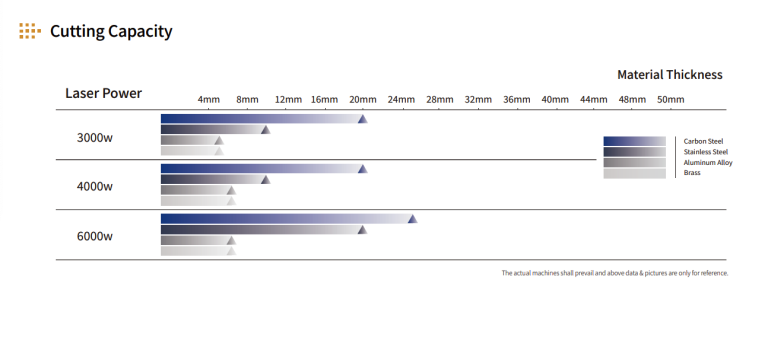
- Cutting thickness: Capable of cutting various metals including steel, aluminum, and copper with thicknesses ranging up to 25mm.
- Cutting speed: High-speed operations allowing up to 140m/min depending on the material and thickness.
- Precision: Offers cutting accuracy of ±0.05mm, ensuring high-quality finishes.
Buying Advice
- Assess your production requirements to choose a model that aligns with your workload and material types.
- Consider the machine’s power rating to ensure it can handle the thickness of materials you typically cut.
- Evaluate additional features such as automated loading and unloading systems for increased productivity.
- Check for available after-sales support and warranties to safeguard your investment.
FAQs
How does fiber laser cutting work?
Fiber laser cutting uses a focused laser beam to melt and cut through metal materials with high precision.
What materials can Bodor fiber laser machines cut?
They can cut a wide range of metals, including stainless steel, carbon steel, aluminum, brass, and copper.
Is operator training required?
Yes, proper training is essential to ensure safe and efficient operation of the machines.
How does Bodor ensure safety during machine operation?
Bodor machines are equipped with various safety features, including protective enclosures and emergency stop functions.
What is the lifespan of a Bodor fiber laser machine?
With proper maintenance, these machines can last 10 to 15 years or longer.
Does Bodor offer customization options?
Yes, Bodor provides customization options to meet specific manufacturing needs and preferences.
Bodor Fiber Laser Cutting Machines for Efficient Metal Fabrication Operations