Maximizing Fiber Laser Cutting Efficiency
In the ever-evolving world of metal fabrication, staying ahead of the competition means leveraging the latest technology to enhance productivity and efficiency. For companies specializing in metal fabrication, fiber laser cutting machines have become a game-changer. These machines offer precision, speed, and versatility, making them indispensable in the industry. However, to truly harness their potential, it’s crucial to understand how to maximize their efficiency. This article delves into the basics of fiber laser cutting, explores the key factors affecting cutting efficiency, and offers practical tips to boost your laser cutting performance.
Understanding Fiber Laser Cutting Basics
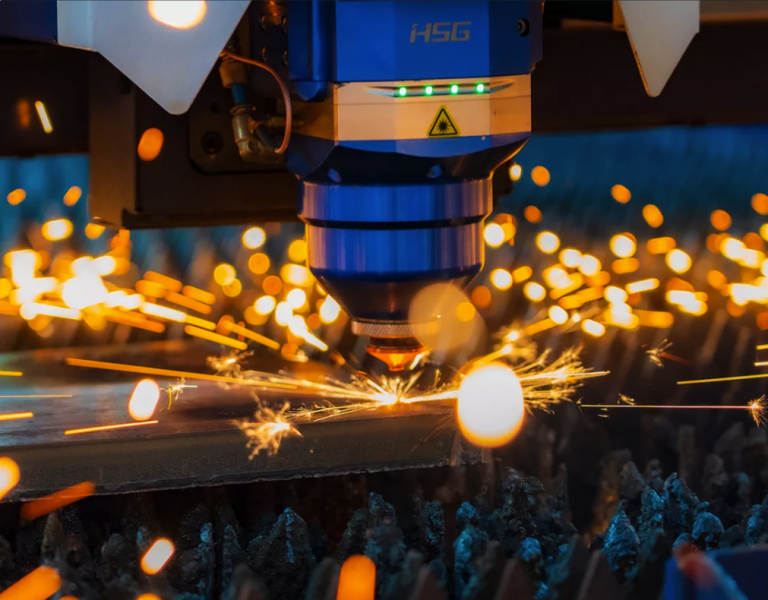
Fiber laser cutting is a process that uses a high-powered laser beam to cut through various types of metal. Unlike traditional CO2 lasers, fiber lasers use a solid-state laser source, which offers several advantages:
- Higher Efficiency: Fiber lasers convert electrical energy into light more efficiently, resulting in lower operating costs.
- Improved Beam Quality: The laser beam is more focused, allowing for finer cuts and greater precision.
- Versatility: Capable of cutting a wide range of materials, including stainless steel, aluminum, and copper.
Understanding these basics is essential for any metal fabrication company looking to invest in or optimize their fiber laser cutting operations.
Key Factors Affecting Cutting Efficiency
Several factors can influence the efficiency of fiber laser cutting. By paying attention to these elements, you can ensure optimal performance:
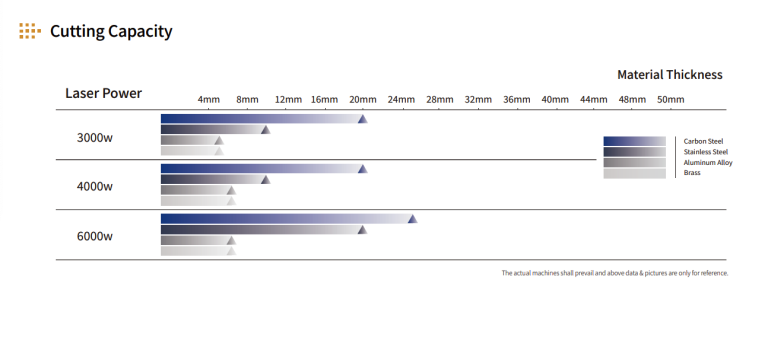
- Material Type and Thickness: Different materials react differently to laser cutting. Thicker materials may require more power and slower speeds, affecting efficiency.
- Laser Power and Speed: The power of the laser and the speed at which it cuts are crucial. Higher power can cut through thicker materials but may require adjustments in speed to maintain quality.
- Focus and Alignment: Proper focus and alignment of the laser beam ensure precision and reduce waste.
- Maintenance and Calibration: Regular maintenance and calibration of the laser cutting machine are vital to avoid downtime and ensure consistent performance.
By understanding and managing these factors, you can significantly improve the efficiency of your fiber laser cutting processes.
Tips to Boost Your Laser Cutting Performance
To get the most out of your fiber laser cutting machine, consider implementing the following tips:
- Optimize Cutting Parameters: Experiment with different settings to find the optimal balance between speed, power, and quality for each material type.
- Invest in Training: Ensure that your operators are well-trained in using the equipment and understand the nuances of different materials and settings.
- Regular Maintenance: Schedule routine maintenance checks to keep your machine in top condition and prevent unexpected breakdowns.
- Use Quality Materials: High-quality materials can lead to better cuts and reduce the likelihood of defects.
- Leverage Software Tools: Utilize advanced software tools for design and cutting path optimization to reduce waste and improve efficiency.
By following these tips, you can enhance the performance of your fiber laser cutting operations and achieve better results.
Maximizing fiber laser cutting efficiency is not just about having the right equipment; it’s about understanding the intricacies of the process and making informed decisions to optimize performance. By focusing on the basics, managing key factors, and implementing practical tips, metal fabrication companies can significantly enhance their cutting operations. For more information on how to maximize your fiber laser cutting efficiency, visit Maximizing Fiber Laser Cutting Efficiency.
Fiber laser cutting machines have revolutionized the metal fabrication industry by providing unmatched precision, speed, and versatility. These machines are essential for companies looking to maintain a competitive edge, as they allow for efficient and high-quality cutting of various metals. To maximize the efficiency of fiber laser cutting, it is important to understand the technology’s fundamentals, the factors that influence cutting performance, and the methods to enhance operational productivity.
Maintenance Tips
- Regularly clean and inspect the lens and mirrors for dust and debris to ensure optimal beam quality.
- Schedule routine maintenance checks with a certified technician to prevent unexpected downtimes.
- Keep the machine’s software updated to leverage the latest features and improvements.
Typical Cost Ranges
The cost of fiber laser cutting machines can vary significantly based on power capacity, brand, and additional features. Entry-level machines may start around $50,000, while high-end models with advanced capabilities can exceed $500,000.
Performance Specs
- Cutting Speed: Up to 20 m/min depending on material type and thickness.
- Power Capacity: Typically ranges from 500W to 12kW.
- Precision: Can achieve tolerances as tight as ±0.1 mm.
Buying Advice
- Consider your production needs and choose a machine with appropriate power and speed specifications.
- Evaluate the manufacturer’s support services and warranty terms.
- Test the machine with your typical materials to assess its performance and compatibility.
FAQs
What materials can fiber laser cutting machines handle?
Fiber laser cutting machines are capable of cutting a wide range of metals, including steel, aluminum, brass, and copper.
How does fiber laser cutting compare to CO2 laser cutting?
Fiber lasers generally offer faster cutting speeds and lower operating costs compared to CO2 lasers, particularly on thin to medium-thickness metals.
What is the expected lifespan of a fiber laser cutting machine?
With proper maintenance, fiber laser cutting machines can last 10-15 years or more.
Can fiber laser cutting machines cut non-metal materials?
While primarily designed for metals, some fiber lasers can cut non-metal materials like certain plastics with appropriate settings.
What factors affect the efficiency of fiber laser cutting?
Key factors include machine power, cutting speed, material type, and thickness, as well as proper maintenance and software optimization.
Is operator training necessary for using fiber laser cutting machines?
Yes, proper training is essential to ensure safe operation and to maximize the machine’s efficiency and lifespan.
Maximizing Fiber Laser Cutting Efficiency