Advantages of Using a 12 kW Plate Laser in Single-Shift Metal Fabrication Shops
A strong work ethic and real-world know-how are the backbone of every successful metal fabrication shop. In today’s competitive landscape, shop managers are constantly searching for ways to get more out of each hour and every team member on the floor, especially when running a single-shift operation. High-powered technologies, once seen as too much for smaller shops, are now breaking barriers and turning conventional wisdom on its head. One such technology is the 12 kW plate laser. Let’s explore how it can directly enhance your daily operations, making your shop more productive, cost-effective, and agile.
Maximizing Throughput with High-Power 12 kW Plate Lasers
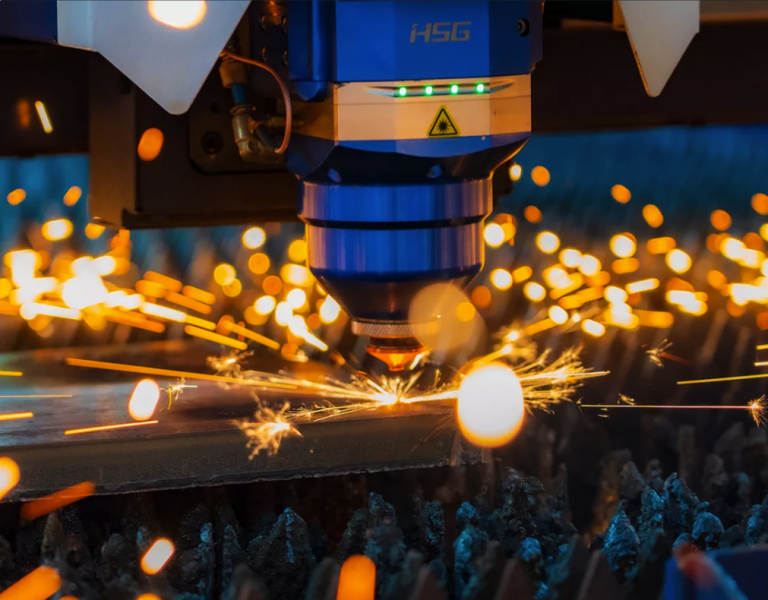
In single-shift shops, every minute counts. A 12 kW plate laser doesn’t just cut faster; it transforms how much work you can push through in your regular shift hours. Compared to lower-wattage lasers, a 12 kW model slashes thicker materials faster and processes more sheets per day. This means your team spends less downtime waiting for cuts and more time assembling products.
From a sales perspective, faster throughput helps you commit to shorter lead times, making your proposals more attractive to current and potential customers. Technically, 12 kW fiber lasers like the Bystronic ByStar Fiber, TRUMPF TruLaser Series, or Mazak OPTIPLEX NEXUS can process half-inch plate steel at twice the speed of 6 kW lasers. Paired with efficient part nesting and powerful CNC controls, these machines streamline jobs that bottlenecked on slower lasers. With smart layout planning, handling heavier, larger sheets becomes less labor-intensive, so your workflow stays smooth during the shift without extra manpower.
Enhancing Cut Quality and Consistency on Varied Materials
Maintaining top-notch cut quality is crucial, especially with mixed material demands. Higher-wattage lasers provide a more stable beam, resulting in smoother, cleaner edges even on thicker or specialty alloys. With a 12 kW plate laser, you get consistent, repeatable results, slashing the time you’d otherwise spend grinding or cleaning up poor cuts.
On the technical front, modern plate lasers automatically adjust cutting parameters for different thicknesses and materials, from mild steel to aluminum and stainless. Look for models with automatic nozzle changers and real-time monitoring (such as Mitsubishi’s Zoom Head or Amada’s ENSIS series) for minimal operator intervention and maximum quality control. Logistically, this precision means fewer reworks and less scrap, translating into direct cost savings and better customer satisfaction. You can confidently take on jobs with strict tolerances, knowing your laser can deliver day in and day out.
Lowering Operating Costs through Advanced Efficiency Features
When running just one shift, every operating dollar needs to work harder. A 12 kW fiber laser may seem like a big investment, but today’s machines incorporate features that actively reduce running costs. Enhanced energy efficiency, rapid pierce times, and intelligent gas consumption controls significantly lower consumable, maintenance, and utility expenses.
Sales teams often highlight ROI, but real savings come from the progressive assembly process enabled by these lasers. Operators spend less time handling partially cut sheets. Automatic shuttle tables or load/unload systems (such as Salvagnini’s modular automation or Prima Power’s Compact Server) support one-person workflow, reducing overhead and exposure to workplace injuries. Modern fiber lasers also last longer between maintenance cycles compared to older CO2 systems, keeping your shop running and profitable all shift long.
Simplifying Workflow Integration in Single-Shift Production Environments
Introducing a high-power laser shouldn’t disrupt your established processes. Today’s systems are engineered for quick integration, even in single-shift shops without dedicated automation staff. Many brands provide pre-configured kits that minimize initial set-up time and operator training, so your crew can focus on production—not troubleshooting.
Machine recommendations here include fan-favorite models with user-friendly HMIs and reliable software: look at the LVD Phoenix FL-Series or TRUMPF TruLaser 3030. Opt for systems with modular automation, such as pallet changers and basic material towers, that can scale as your workload increases. From a logistics standpoint, these integration-friendly setups shorten the learning curve, allowing junior operators to become productive faster and reducing bottlenecks between departments. Over time, you’ll see smoother transitions from cutting to forming and finishing, and a tangible drop in material handling labor.
Expanding Fabrication Capabilities for Competitive Advantage
Adopting a 12 kW plate laser isn’t just about doing what you did yesterday, faster. It’s about winning projects you previously had to decline. With new power capacity, your shop can confidently process thicker plate, new alloys, or even take on high-mix, low-volume jobs that would have jammed up legacy lasers.
Saleswise, this opens up conversations with customers looking for complex assemblies, thicker structural components, or ultra-precise cut parts. It also lets you move up the value chain, offering additional services like kitted assembly, laser marking, or edge beveling, positioning your shop as the one-stop solution in your region. The right machine—one with open interfaces and support for automation add-ons—lets you pursue bigger contracts and grow, all while keeping your core production team intact.
Frequently Asked Questions
Will a 12 kW plate laser increase my energy costs?
No—modern 12 kW fiber lasers are highly energy-efficient, so increased speed and throughput typically result in lower energy use per part cut compared to older or lower-power lasers.
How quickly can my team be trained on this new machine?
Most 12 kW plate lasers have intuitive interfaces, so basic operator training can be completed in a few days, especially if you choose a model with strong supplier support.
Is automation necessary with a 12 kW laser?
Not required, but helpful—even basic automation like a shuttle table or lightweight loading system can maximize your output and reduce handling injuries.
Will it help win new business?
Definitely—the ability to confidently cut thicker and more complex parts helps you compete for bigger or higher-margin contracts.
How does maintenance compare to my old CO2 laser?
Fiber lasers require less routine maintenance, no mirror cleaning, and have fewer moving parts, meaning more uptime per shift.
Can I still run small jobs efficiently, or is this best for long runs?
12 kW lasers excel at both—short job setup times and flexible programming allow for quick turnarounds on both short and large batches.
For a single-shift fabrication environment, a 12 kW plate laser isn’t just a productivity upgrade—it’s a practical tool for scaling up without adding extra shifts, staff, or complexity. With gains in speed, cut quality, savings, and capabilities, your shop can solve real-world challenges, deliver to customers faster, and tackle new markets. If you’d like more advice or need help specifying the right machine for your workflow, partnering with a trusted supplier is the next step to ensure long-term success.
For more detailed insights or to arrange a demonstration tailored to your production needs, contact your equipment specialist or reach out to leading machine tool vendors. Investing in the right laser technology today ensures your shop stays ahead in tomorrow’s market.
Advantages of Using a 12 kW Plate Laser in Single-Shift Metal Fabrication Shops