Unlocking the Green Edge in Metal Fabrication
In the evolving landscape of metal fabrication, sustainability is no longer just a buzzword—it’s a critical component of business strategy. Metal fabrication companies are increasingly recognizing the importance of adopting eco-friendly practices not only to meet regulatory requirements but also to gain a competitive edge. This article explores why sustainability matters in metal fabrication, highlights innovative green technologies transforming the industry, and provides practical steps for implementing eco-friendly practices.
Why Sustainability Matters in Metal Fabrication
Sustainability in metal fabrication is crucial for several reasons:
-
Environmental Impact: Metal fabrication processes can be resource-intensive, consuming large amounts of energy and raw materials. By adopting sustainable practices, companies can significantly reduce their carbon footprint and minimize waste.
-
Regulatory Compliance: Governments worldwide are tightening regulations related to environmental protection. Staying ahead of these regulations can prevent costly fines and enhance a company’s reputation.
-
Market Demand: Consumers and businesses are increasingly prioritizing sustainability. Companies that can demonstrate their commitment to eco-friendly practices are more likely to attract and retain clients.
-
Cost Savings: Implementing sustainable practices often leads to cost savings in the long run. Energy-efficient technologies and waste reduction strategies can lower operational costs.
-
Brand Image: A commitment to sustainability can enhance a company’s brand image, making it more attractive to environmentally conscious clients and partners.
Innovative Green Technologies Transforming the Industry
The metal fabrication industry is witnessing a surge in innovative technologies aimed at reducing environmental impact:
-
Energy-Efficient Equipment: Modern brake presses, shears, and roll formers are designed to consume less energy. These machines not only reduce electricity bills but also help lower greenhouse gas emissions.
-
Water Recycling Systems: Water is a critical resource in metal fabrication. Advanced recycling systems allow companies to reuse water, reducing consumption and minimizing wastewater discharge.
-
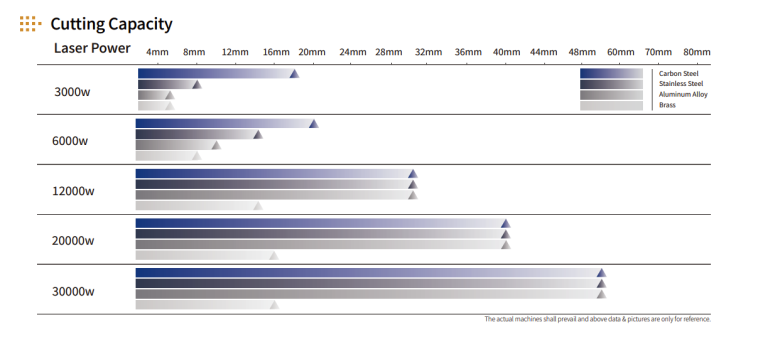
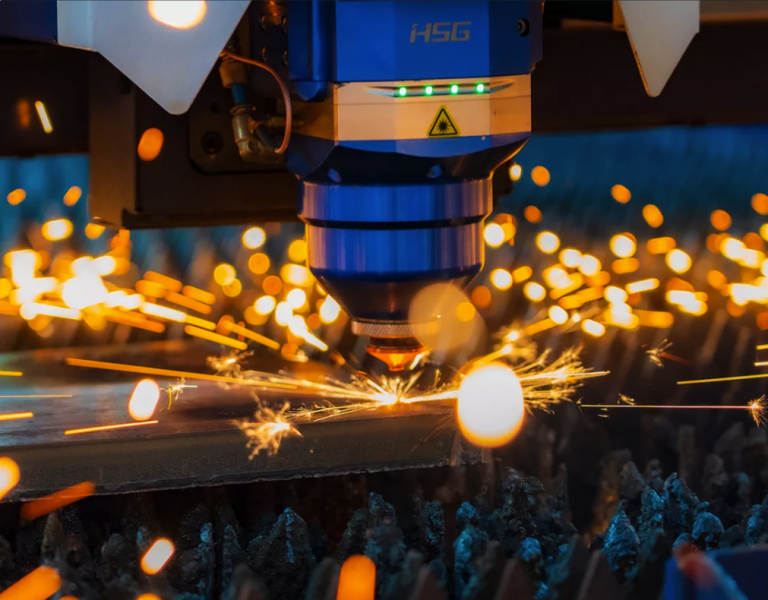
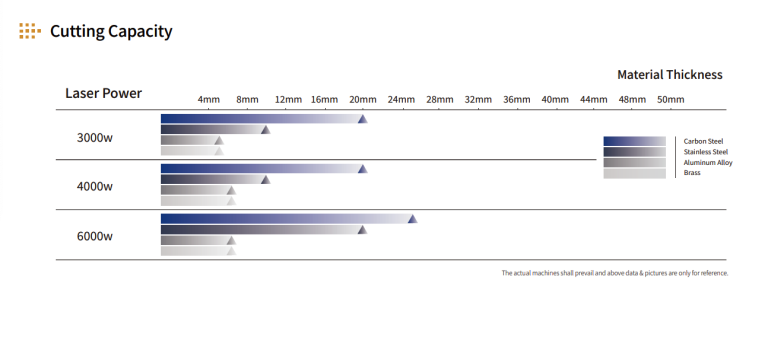
Laser Cutting Technology: Laser cutting is more precise and efficient than traditional methods, resulting in less waste and lower energy consumption.
-
Eco-Friendly Coatings and Materials: The use of non-toxic, biodegradable coatings and sustainable materials can significantly reduce the environmental impact of metal products.
-
Smart Manufacturing: The integration of IoT and AI in manufacturing processes can optimize resource use, improve efficiency, and reduce waste.
Practical Steps to Implement Eco-Friendly Practices
Transitioning to sustainable practices doesn’t happen overnight, but there are practical steps metal fabrication companies can take:
-
Conduct an Energy Audit: Identify areas where energy consumption can be reduced and implement energy-saving measures.
-
Invest in Modern Equipment: Upgrade to energy-efficient machinery that meets the latest environmental standards.
-
Implement Waste Reduction Strategies: Develop a comprehensive waste management plan that includes recycling and reusing materials.
-
Train Employees: Educate staff on the importance of sustainability and how they can contribute to eco-friendly practices.
-
Partner with Green Suppliers: Choose suppliers who prioritize sustainability in their operations and products.
-
Monitor and Report Progress: Regularly track sustainability metrics and report progress to stakeholders to maintain transparency and accountability.
Embracing sustainability in metal fabrication is not just a trend—it’s a necessity for future success. By understanding why sustainability matters, leveraging innovative green technologies, and taking practical steps to implement eco-friendly practices, metal fabrication companies can unlock the green edge that sets them apart from the competition. For more insights on how to integrate sustainable practices into your operations, visit Unlocking the Green Edge in Metal Fabrication.
In the evolving landscape of metal fabrication, sustainability has become a critical component of business strategy rather than just a buzzword. Metal fabrication companies are increasingly recognizing the importance of adopting eco-friendly practices to not only meet regulatory requirements but also to gain a competitive edge. This shift towards sustainability is driven by the significant environmental impact of traditional metal fabrication processes, which are often resource-intensive, consuming large amounts of energy and raw materials. This article explores the importance of sustainability in metal fabrication, highlights innovative green technologies transforming the industry, and provides practical steps for implementing eco-friendly practices.
Maintenance Tips
- Regularly inspect equipment for leaks or inefficiencies to minimize energy waste.
- Keep machinery well-lubricated and clean to ensure optimal performance and longevity.
- Implement a regular maintenance schedule to reduce the likelihood of unexpected breakdowns.
Typical Cost Ranges
The cost of implementing sustainable practices in metal fabrication can vary widely. Initial investments may include upgrading to energy-efficient machinery, which can range from $10,000 to $500,000 depending on the equipment. However, these costs are often offset by long-term savings in energy and material costs, as well as potential tax incentives for green initiatives.
Performance Specs
- Energy Efficiency: Newer, sustainable models can reduce energy consumption by up to 30%.
- Waste Reduction: Innovative technologies can decrease material waste by up to 15%.
- Production Speed: Advanced eco-friendly machines often maintain or exceed traditional production speeds.
Buying Advice
When considering the transition to more sustainable practices, assess your current energy and material usage to identify areas for improvement. Look for machinery and technology that offer clear energy savings and waste reduction benefits. It’s also essential to consider the scalability of the technologies to ensure they can grow with your business needs.
FAQs
Why is sustainability important in metal fabrication?
Sustainability helps reduce environmental impact, meets regulatory requirements, and provides a competitive advantage by appealing to eco-conscious clients.
What are some innovative green technologies in metal fabrication?
Technologies include energy-efficient laser cutting, water jet cutting, and recycling systems for scrap metal.
How can a metal fabrication company implement eco-friendly practices?
Start by conducting an energy audit, investing in energy-efficient machinery, and training employees in sustainable practices.
Are there financial benefits to adopting sustainable practices?
Yes, companies often see reduced energy and material costs and may qualify for government incentives.
What challenges might a company face when going green?
Initial investment costs and the need to train staff on new technologies can be significant challenges.
Can sustainable practices improve production efficiency?
Yes, many eco-friendly technologies can increase production speed and reduce downtime.
Unlocking the Green Edge in Metal Fabrication