Unlocking Excellence: Mastering Structural Steel Fabrication
Unlocking Excellence: Mastering Structural Steel Fabrication
In the world of construction and engineering, structural steel fabrication stands as a cornerstone of modern architecture and infrastructure. The precision and skill involved in transforming raw steel into resilient structures demand not only expertise but also a relentless pursuit of excellence. This article delves into the art and science of structural steel fabrication, offering insights and techniques to elevate your craft to new heights.
Discover the Secrets to Structural Steel Success
Unlocking the secrets to structural steel success requires a deep understanding of both the material and the processes involved. Steel, with its unparalleled strength and versatility, forms the backbone of countless structures. However, mastering its fabrication involves more than just cutting and welding; it demands a strategic approach to design, planning, and execution. By embracing innovative technologies and methodologies, fabricators can enhance efficiency, reduce waste, and ensure the highest quality outcomes in their projects.
Moreover, successful steel fabrication hinges on an unwavering commitment to precision and detail. Every cut, bend, and weld must be executed with meticulous accuracy to ensure the structural integrity and longevity of the final product. This level of precision can only be achieved through continuous learning and adaptation to new industry standards and technological advancements. By staying ahead of the curve, fabricators can unlock the full potential of structural steel, transforming it into awe-inspiring creations that stand the test of time.
Elevate Your Craft: Steel Fabrication Mastery
Achieving mastery in steel fabrication requires more than just technical skills; it calls for a passion for craftsmanship and a dedication to excellence. As the industry evolves, so too must the fabricators who drive it forward. By investing in ongoing education and training, professionals can hone their abilities and stay abreast of the latest advancements in materials and techniques. This commitment to growth not only enhances individual skill sets but also positions fabricators as leaders in their field.
Furthermore, mastering steel fabrication involves cultivating a mindset of innovation and creativity. By approaching each project with a fresh perspective and a willingness to experiment, fabricators can push the boundaries of what is possible with steel. This creative approach not only leads to more efficient and effective fabrication processes but also results in unique and innovative structures that captivate and inspire. Elevating your craft through mastery of steel fabrication is not just about technical proficiency; it’s about embracing a visionary approach to building the future.
Proven Techniques to Transform Your Steel Skills
To transform your steel skills, it is essential to adopt proven techniques that enhance both efficiency and quality. One such technique is the implementation of advanced computer-aided design (CAD) software, which allows for precise modeling and simulation of steel structures before fabrication begins. This technology enables fabricators to identify potential issues and optimize designs, reducing the likelihood of costly errors and rework. By leveraging CAD tools, professionals can streamline their workflow and achieve superior results.
Another key technique is the integration of automation and robotics into the fabrication process. Automated machinery can perform repetitive tasks with unparalleled speed and accuracy, freeing up skilled workers to focus on more complex and creative aspects of fabrication. This not only boosts productivity but also ensures consistent quality across all projects. By embracing these proven techniques, fabricators can transform their skills and deliver exceptional outcomes that exceed client expectations.
Unlocking Excellence: Precision in Steel Crafting
Precision is the hallmark of excellence in steel crafting. Achieving this level of precision requires a meticulous approach to every aspect of the fabrication process, from initial design to final assembly. By implementing rigorous quality control measures and adhering to strict industry standards, fabricators can ensure that each component is crafted to perfection. This commitment to precision not only enhances the structural integrity of the final product but also instills confidence in clients and stakeholders.
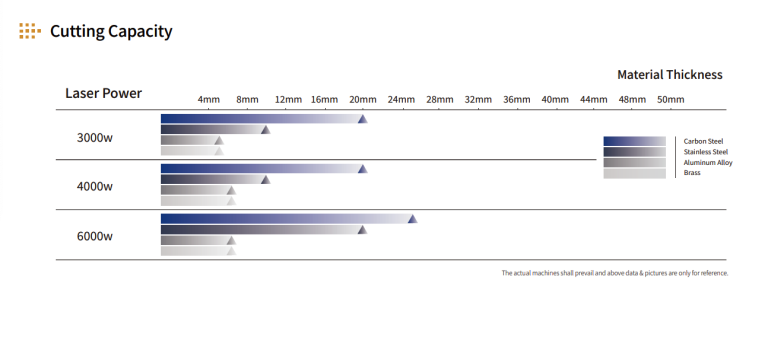
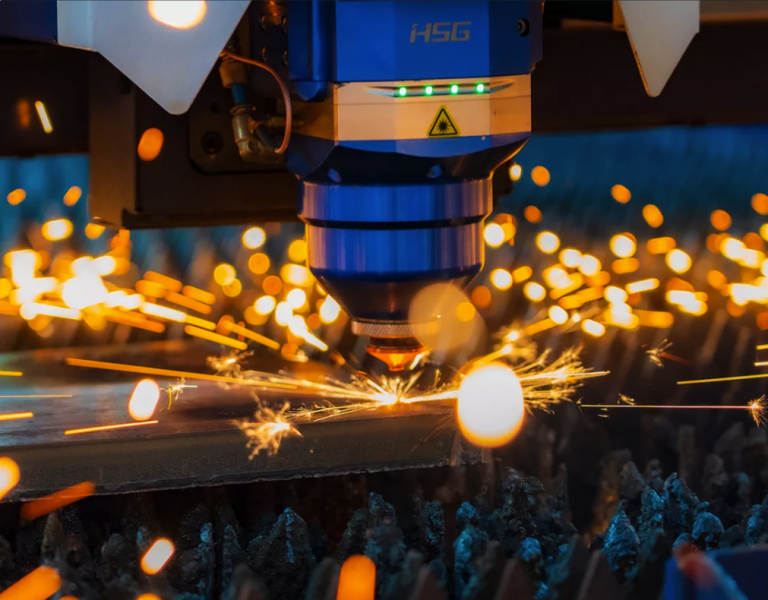
Moreover, precision in steel crafting is achieved through the use of cutting-edge tools and technologies. Laser cutting, for example, offers unparalleled accuracy and speed, allowing fabricators to execute intricate designs with ease. Similarly, advanced welding techniques ensure strong and seamless connections between steel components. By harnessing these tools and technologies, fabricators can unlock a new level of excellence in their work, setting themselves apart as leaders in the field of structural steel fabrication.
Master the Art of Structural Steel Fabrication
Mastering the art of structural steel fabrication is a journey that requires dedication, skill, and a relentless pursuit of perfection. It involves not only mastering the technical aspects of the craft but also developing a deep understanding of the material itself. Steel is a dynamic and versatile material that offers endless possibilities for innovation and creativity. By embracing its unique properties, fabricators can push the boundaries of what is possible and create structures that are both functional and aesthetically stunning.
Additionally, mastering this art requires a commitment to collaboration and teamwork. Structural steel fabrication is often a collective effort that involves architects, engineers, and fabricators working together to achieve a common goal. By fostering a culture of open communication and mutual respect, fabricators can ensure that all stakeholders are aligned and working towards the same vision. This collaborative approach not only enhances the quality of the final product but also strengthens relationships and builds trust within the industry.
Achieve Unmatched Quality in Steel Fabrication
Achieving unmatched quality in steel fabrication is the ultimate goal for any fabricator. It requires a combination of technical expertise, innovative thinking, and a commitment to continuous improvement. By setting high standards for quality and consistently striving to exceed them, fabricators can deliver exceptional results that stand out in a competitive market. This dedication to quality not only enhances the reputation of the fabricator but also ensures the safety and durability of the structures they create.
Furthermore, achieving this level of quality involves a proactive approach to problem-solving and risk management. By anticipating potential challenges and implementing effective solutions, fabricators can minimize disruptions and maintain the highest standards of quality throughout the fabrication process. This proactive mindset, combined with a relentless pursuit of excellence, enables fabricators to achieve unmatched quality in their work and set a new benchmark for the industry.
In conclusion, mastering structural steel fabrication is a journey of continuous learning, innovation, and dedication to excellence. By embracing the secrets to success, elevating your craft, and adopting proven techniques, you can unlock a new level of precision and quality in your work. Whether you are a seasoned professional or a newcomer to the field, the pursuit of mastery in steel fabrication offers endless opportunities for growth and achievement. By committing to this journey, you can transform your skills and create structures that inspire and endure for generations to come.
Overview: Structural steel fabrication is an essential process in construction and engineering, serving as the backbone of modern architecture and infrastructure. This intricate art involves transforming raw steel into robust and resilient structures, requiring a high level of expertise, precision, and dedication to excellence. By mastering the techniques and understanding the intricacies of steel and its fabrication processes, professionals can significantly elevate their craft, contributing to the creation of enduring and impressive structures.
Maintenance Tips
- Regularly inspect steel structures for signs of corrosion or damage, especially in joints and connections.
- Apply anti-corrosion coatings as needed to protect against environmental factors.
- Ensure all bolts and fasteners are properly tightened and secure.
- Conduct routine cleaning to remove debris and contaminants that could affect the steel’s integrity.
Typical Cost Ranges
The cost of structural steel fabrication can vary widely based on factors such as project size, complexity, and location. On average, prices range from $1,500 to $3,500 per ton, including material, fabrication, and installation.
Performance Specs
- Yield Strength: Typically around 36,000 to 50,000 psi for most structural applications.
- Tensile Strength: Can range from 58,000 to 80,000 psi.
- Modulus of Elasticity: Approximately 29,000,000 psi.
- Density: Typically 490 lbs/ft³.
Buying Advice
- Consider the specific requirements of your project, including load-bearing capacity and environmental conditions.
- Choose a reputable supplier with a proven track record in structural steel fabrication.
- Ensure the steel meets relevant industry standards and certifications.
- Factor in the total cost of ownership, including maintenance and lifecycle costs.
FAQs
- What are the primary steps involved in structural steel fabrication?
- The primary steps include cutting, bending, assembling, and welding of steel components to form a complete structural framework.
- How does steel fabrication differ from steel manufacturing?
- Steel manufacturing involves producing raw steel from raw materials, while fabrication involves processing this steel into usable structures.
- What are common applications of structural steel?
- Structural steel is commonly used in the construction of buildings, bridges, industrial plants, and other infrastructure projects.
- Is structural steel environmentally friendly?
- Yes, structural steel is highly recyclable, and the industry has made significant strides in reducing energy consumption and emissions.
- What factors affect the cost of structural steel fabrication?
- Factors include the complexity of the project, the type of steel used, labor costs, and geographic location.
- How long does it take to complete a structural steel fabrication project?
- Project timelines vary significantly, but small projects can take a few weeks, while larger, more complex projects may take several months.
Unlocking Excellence: Mastering Structural Steel Fabrication