Precision Cutting for Thin Metals: Best Practices for Stainless Steel, Aluminum, and Alloy Sheets
In the world of metal fabrication, precision cutting is crucial for achieving high-quality results, especially when working with thin metals like stainless steel, aluminum, and alloy sheets. These materials are widely used across various industries due to their unique properties and versatility. However, cutting them requires a deep understanding of their characteristics and the right tools and techniques. This article explores the best practices for precision cutting of thin metals, providing valuable insights for buyers in the metal fabrication industry.
Understanding Thin Metal Characteristics
Thin metals, such as stainless steel, aluminum, and alloy sheets, have distinct properties that influence how they should be cut. Stainless steel is known for its strength and corrosion resistance, making it ideal for applications where durability is essential. Aluminum is lightweight and has excellent thermal conductivity, but it can be prone to warping if not handled correctly. Alloy sheets combine different metals to enhance specific properties, which can present unique challenges during cutting. Understanding these characteristics is crucial for selecting the appropriate cutting method and achieving precise results.
Choosing the Right Cutting Tools
Selecting the right cutting tools is vital for achieving precision in thin metal fabrication. Consider the following factors when choosing tools:
- Material Type: Different metals require specific tools designed to handle their properties.
- Thickness: The thickness of the metal sheet will determine the power and type of tool needed.
- Desired Finish: Some tools provide smoother edges, while others may require additional finishing.
- Production Volume: High-volume production may necessitate automated tools for efficiency.
Laser Cutting: Precision and Efficiency
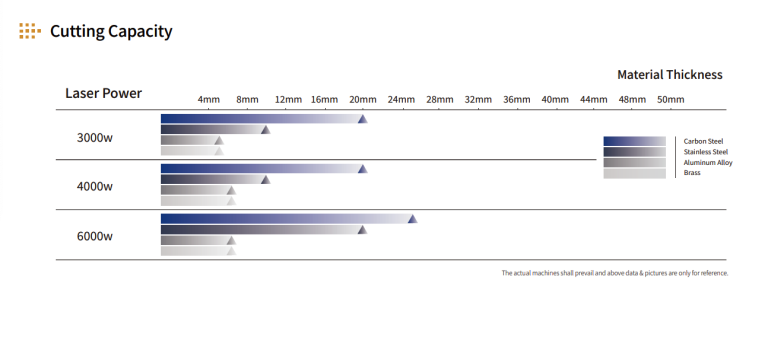
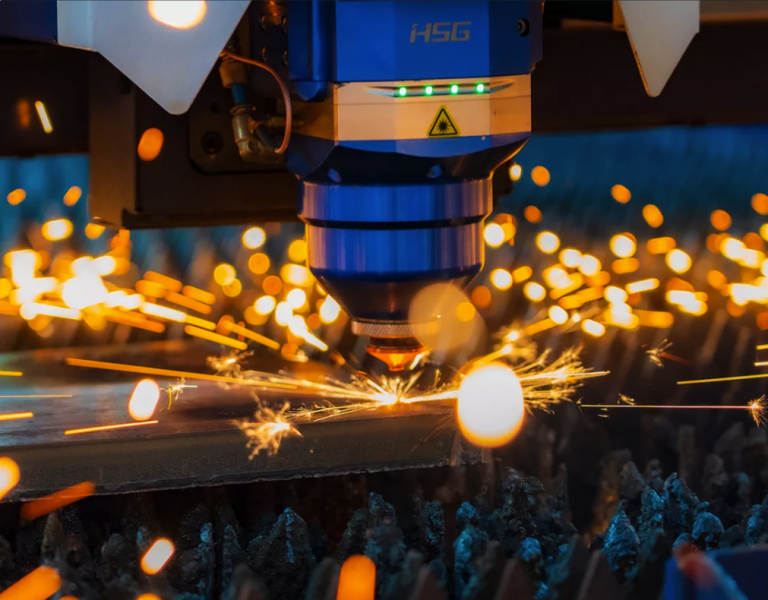
Laser cutting is a popular choice for precision cutting of thin metals due to its accuracy and efficiency. This method uses a focused laser beam to melt or vaporize the material, resulting in clean and precise cuts. Key benefits include:
- High Precision: Ideal for intricate designs and tight tolerances.
- Minimal Material Waste: The narrow kerf width reduces waste.
- Versatility: Suitable for various metals, including stainless steel and aluminum.
Waterjet Cutting: Versatility in Action
Waterjet cutting employs a high-pressure stream of water mixed with abrasive particles to cut through metals. It offers several advantages:
- No Heat-Affected Zone: Prevents warping and maintains material integrity.
- Versatile: Can cut a wide range of materials, including alloys.
- Environmentally Friendly: Uses water and natural abrasives, reducing environmental impact.
Plasma Cutting: Quick and Cost-Effective
Plasma cutting is a fast and cost-effective method for cutting thin metals. It uses an electrically conductive gas to create a high-temperature plasma arc that melts the metal. Benefits include:
- Speed: Quick cutting process suitable for high-volume production.
- Cost-Effective: Lower initial investment compared to laser cutting.
- Ease of Use: User-friendly equipment with minimal setup time.
Best Practices for Stainless Steel Cutting
When cutting stainless steel, consider the following best practices:
- Use the Right Tool: Laser cutting is often preferred for its precision.
- Optimize Settings: Adjust power and speed settings to prevent overheating.
- Protect the Surface: Use protective films to prevent scratches during cutting.
Aluminum Cutting: Tips for Clean Edges
Cutting aluminum requires special attention to achieve clean edges:
- Choose the Right Blade: Use carbide-tipped blades for smooth cuts.
- Control Heat: Minimize heat input to prevent warping.
- Deburring: Use deburring tools to remove any rough edges post-cutting.
Alloy Sheets: Handling Unique Challenges
Alloy sheets can present unique challenges due to their varied compositions. To handle these:
- Understand the Alloy Composition: Different alloys may require specific cutting techniques.
- Test Cuts: Perform test cuts to determine the best settings and tools.
- Consult Experts: Seek advice from experienced fabricators for complex alloys.
Precision cutting of thin metals like stainless steel, aluminum, and alloy sheets is a critical aspect of metal fabrication. By understanding the unique characteristics of these materials and selecting the appropriate cutting methods, fabricators can achieve high-quality results efficiently. For more detailed insights and expert advice on precision cutting for thin metals, visit Precision Cutting for Thin Metals.
Precision cutting of thin metals such as stainless steel, aluminum, and alloy sheets is a critical aspect of metal fabrication, where accuracy and quality are paramount. These materials are favored in numerous industries for their unique properties and versatility. Achieving precise cuts demands a thorough understanding of these metals’ characteristics, along with the appropriate tools and techniques. This article delves into best practices for precision cutting, offering essential guidance for professionals in the metal fabrication sector seeking to enhance their cutting processes.
Maintenance Tips for Cutting Tools
- Regularly inspect cutting tools for wear and tear to ensure clean cuts.
- Keep tools sharp to maintain precision and reduce the risk of damaging the material.
- Lubricate tools and machinery to minimize friction and prevent overheating.
- Calibrate cutting machines frequently to maintain accuracy.
Typical Cost Ranges
The cost of precision cutting equipment can vary widely based on the type and capabilities of the machine:
- Basic manual cutting tools: $100 – $500
- Entry-level CNC machines: $5,000 – $15,000
- High-end laser cutting machines: $50,000 – $300,000+
Performance Specifications
- Cutting Speed: Varies by material and thickness, typically 10-50 inches per minute for thin metals.
- Precision: High-end machines can achieve tolerances as tight as ±0.005 inches.
- Material Compatibility: Stainless steel, aluminum, and various alloys.
Buying Advice
- Assess the range of materials and thicknesses you will primarily work with to select suitable equipment.
- Consider the long-term costs of maintenance and operation when choosing a cutting tool or machine.
- Opt for machines with advanced features like automated controls and real-time monitoring for enhanced efficiency.
- Check for compatibility with existing systems to ensure seamless integration into your workflow.
Frequently Asked Questions
What is the best tool for cutting thin stainless steel?
Laser cutting machines are generally the best choice for cutting thin stainless steel due to their precision and clean finish.
Can I use the same cutting tool for aluminum and stainless steel?
While some tools can handle both materials, it is important to adjust settings such as speed and feed rate for different metals to achieve optimal results.
How often should cutting tools be sharpened?
Sharpening frequency depends on usage, but a general rule is to sharpen after every 8-10 hours of cutting to maintain precision.
What safety precautions are necessary when cutting thin metals?
Always wear protective gear such as gloves and goggles, and ensure proper ventilation to avoid inhaling fumes or dust.
Is it necessary to use a lubricant when cutting aluminum?
Yes, using a lubricant can reduce friction, prevent material buildup on the tool, and extend the tool’s life.
Precision Cutting for Thin Metals: Best Practices for Stainless Steel, Aluminum, and Alloy Sheets