Metal Fabrication: The Backbone of Modern Industry
Metal fabrication is often an overlooked yet crucial aspect of the modern industrial landscape. It encompasses a wide range of processes that transform raw metal materials into essential components and structures, forming the backbone of industries such as construction, automotive, aerospace, and technology. Despite its critical role, metal fabrication remains an unsung hero, quietly driving innovation and economic growth. This article delves into the multifaceted world of metal fabrication, highlighting its transformative power, precision craftsmanship, economic impact, technological advancements, and indispensable nature in today’s society.
Metal Fabrication: Industry’s Unsung Hero
Metal fabrication is the silent force behind many of the products and structures we interact with daily. From the towering skyscrapers that define city skylines to the intricate components within our smartphones, metal fabrication is the process that brings these innovations to life. Despite its ubiquity, the industry often goes unnoticed by the general public, who may not realize the complexity and skill involved in transforming raw metal into usable goods. This invisibility belies the essential nature of metal fabrication, which underpins countless sectors and contributes significantly to modern life.
The industry’s unsung status does not diminish its importance; rather, it highlights the need for greater recognition of the skilled professionals who drive it. Metal fabricators are the artisans of the industrial world, applying their expertise to create products that meet stringent standards and withstand the test of time. Their work is foundational, providing the structural integrity and functionality that industries rely on. By shining a light on metal fabrication, we can appreciate its critical role in supporting and advancing modern industry.
Transforming Raw Materials into Innovation
At its core, metal fabrication is about transformation—taking raw materials like steel, aluminum, and copper and turning them into innovative solutions that power the world. This process involves a variety of techniques, including cutting, bending, welding, and assembling, each requiring a high degree of precision and skill. The result is not just a finished product but a testament to human ingenuity and the ability to harness natural resources to meet complex demands.
Innovation in metal fabrication is not limited to the techniques themselves but extends to the products and solutions they enable. Consider the automotive industry, where lightweight yet robust metal components are crucial for fuel efficiency and safety. In the realm of technology, metal fabrication allows for the creation of intricate components that drive the functionality of electronic devices. Through these transformations, metal fabrication not only meets current needs but also paves the way for future advancements.
Precision Craftsmanship: The Industry’s Pulse
Precision is the heartbeat of metal fabrication, dictating the quality and performance of the final product. Achieving this precision requires a harmonious blend of skilled craftsmanship and advanced technology. Fabricators must possess an intimate understanding of materials and processes, ensuring each cut, bend, and weld is executed flawlessly. This level of detail is crucial, as even minor errors can compromise the integrity and functionality of the end product.
The craftsmanship involved in metal fabrication is akin to that of an artist, where attention to detail and a deep understanding of the medium are paramount. This precision craftsmanship ensures that fabricated metal components meet the rigorous standards necessary for their intended applications, whether they are supporting massive structures or enabling delicate electronic functions. As the industry continues to evolve, the demand for precision only grows, underscoring the vital role of skilled fabricators in maintaining the pulse of modern industry.
Driving Economic Growth Through Fabrication
Metal fabrication plays a significant role in driving economic growth, providing employment opportunities and contributing to the GDP of nations worldwide. The industry supports a vast network of skilled workers, from engineers and designers to fabricators and welders, each playing a critical role in the production process. This workforce is not only essential for the creation of goods but also for the innovation and development of new technologies that keep industries competitive on a global scale.
Beyond job creation, metal fabrication stimulates economic growth through its role in infrastructure development and manufacturing. As cities expand and industries evolve, the demand for fabricated metal products continues to rise, fueling investment and innovation. This demand generates a ripple effect, boosting related sectors such as logistics, transportation, and construction. By driving these interconnected industries, metal fabrication serves as a cornerstone of economic vitality and progress.
Advancing Technology with Metal Mastery
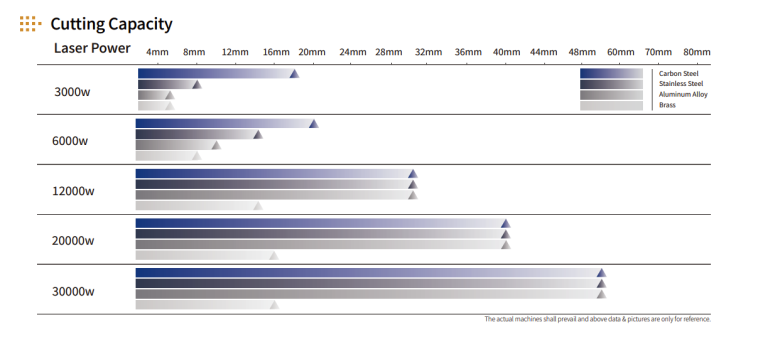
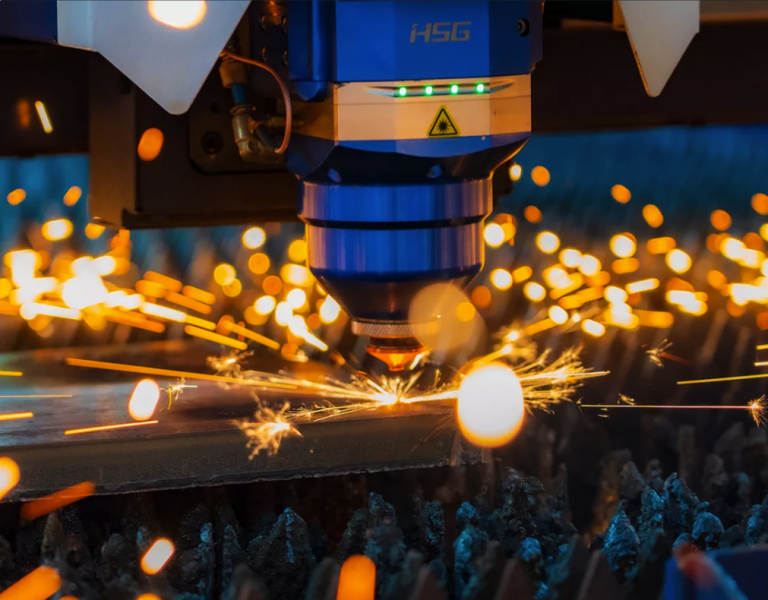
The synergy between metal fabrication and technology is a driving force behind modern advancements. As technology evolves, so too does the need for sophisticated metal components that can support new innovations. Metal fabrication techniques have advanced to meet these demands, incorporating cutting-edge technologies such as laser cutting, CNC machining, and robotic welding. These advancements enhance precision, efficiency, and scalability, allowing fabricators to produce complex components with unprecedented accuracy.
The mastery of metal fabrication is crucial for the development of emerging technologies such as renewable energy systems, electric vehicles, and advanced medical devices. Each of these fields relies on precisely fabricated metal parts to function effectively and safely. By continually pushing the boundaries of what is possible, metal fabrication not only supports existing technologies but also lays the groundwork for future breakthroughs, ensuring that industries remain at the forefront of innovation.
Why Metal Fabrication is Indispensable Today
In today’s fast-paced world, the indispensability of metal fabrication is more apparent than ever. As industries strive to meet the demands of a growing population and address global challenges such as sustainability and resource efficiency, the role of metal fabrication becomes increasingly vital. Fabricated metal products are integral to the development of sustainable infrastructure, energy-efficient transportation, and cutting-edge technology, all of which are essential for a sustainable future.
Moreover, the adaptability and resilience of the metal fabrication industry make it indispensable in times of crisis. Whether responding to supply chain disruptions or pivoting to produce essential goods during emergencies, metal fabricators have demonstrated their ability to meet critical needs swiftly and effectively. This versatility, combined with the industry’s foundational role in supporting modern life, underscores why metal fabrication remains a cornerstone of contemporary society.
Metal fabrication stands as a testament to human ingenuity and resilience, playing a pivotal role in shaping the modern world. From transforming raw materials into essential innovations to driving economic growth and advancing technology, the industry’s contributions are both vast and indispensable. As we look to the future, the importance of metal fabrication will only grow, supporting new advancements and addressing global challenges with precision and expertise. Recognizing and valuing this unsung hero is crucial as we continue to build a sustainable and prosperous world.
Metal fabrication is a pivotal yet often underappreciated element within the modern industrial framework, playing a central role in transforming raw metal into indispensable components for various sectors, including construction, automotive, aerospace, and technology. It involves a multitude of processes such as cutting, bending, and assembling, which convert raw materials into valuable products that underpin global infrastructure and innovation. Despite its critical importance, metal fabrication is frequently overshadowed by the industries it supports, serving as an unsung hero that quietly advances economic growth and technological progression.
Maintenance Tips for Metal Fabrication Equipment
- Regularly inspect tools and machines for wear and tear and replace parts as needed to prevent breakdowns.
- Keep equipment clean and lubricated to ensure smooth operation and prolong lifespan.
- Ensure all operators are properly trained in the use of machinery to minimize the risk of accidents and damage.
- Schedule routine professional maintenance checks to ensure all systems are functioning optimally.
Typical Cost Ranges
The cost of metal fabrication can vary widely based on factors such as material type, complexity of the design, and volume of production. Small, simple components might cost as little as $50, while large, complex structures can run into the tens of thousands of dollars. On average, custom metal fabrication projects can range from $1,000 to $3,000.
Performance Specifications
- Material Strength: Depending on the metal used, components can withstand high pressure and temperature conditions.
- Precision: Advanced fabrication techniques allow for tight tolerances and minimal error margins in produced parts.
- Durability: Fabricated metal components typically offer long-term reliability and resistance to wear.
Buying Advice
When purchasing metal fabrication services, consider the following:
- Experience and Reputation: Choose a fabricator with a solid track record and positive customer reviews.
- Capabilities: Ensure the fabricator has the necessary equipment and expertise to meet your specific requirements.
- Cost and Time Estimates: Obtain detailed quotes and timelines to ensure the project stays within budget and schedule.
- Quality Assurance: Confirm that the fabricator has quality control measures in place to guarantee product standards.
FAQs
What is metal fabrication?
Metal fabrication refers to the process of building metal structures through cutting, bending, and assembling processes.
Why is metal fabrication important?
It is crucial because it produces the components and structures that form the backbone of many industries, including construction, automotive, and aerospace.
What materials are commonly used in metal fabrication?
Common materials include steel, aluminum, copper, and brass.
How do technological advancements impact metal fabrication?
Advancements such as automation and CNC machining improve precision, efficiency, and production speed.
How can I find a reliable metal fabricator?
Research online reviews, check credentials, and ask for referrals from industry peers to find a reputable provider.
What factors affect the cost of metal fabrication?
Costs are influenced by material type, design complexity, production volume, and labor costs.
Can metal fabrication be customized?
Yes, custom metal fabrication allows for bespoke solutions tailored to specific project requirements.
Metal Fabrication: The Backbone of Modern Industry