Mastering Hydraulic Press Brakes: Tips for Fabricators
In the world of metal fabrication, hydraulic press brakes are indispensable tools. These machines are essential for bending and shaping metal sheets into precise forms, making them a staple in any fabrication shop. Whether you’re a seasoned fabricator or new to the industry, mastering the use of hydraulic press brakes can significantly enhance your productivity and quality of work. In this article, we’ll explore the basics of hydraulic press brakes, key features to consider when purchasing one, and tips for optimizing their use.
Understanding Hydraulic Press Brake Basics
Hydraulic press brakes are powerful machines used to bend and shape metal sheets. They operate using hydraulic fluid to apply force, allowing for precise and consistent bends. Here are some fundamental aspects to understand:
- Components: A typical hydraulic press brake consists of a frame, ram, bed, back gauge, and control system. Each component plays a crucial role in the machine’s operation.
- Operation: The hydraulic system uses fluid pressure to move the ram, which presses the metal sheet against the die to create a bend. The back gauge helps position the metal accurately.
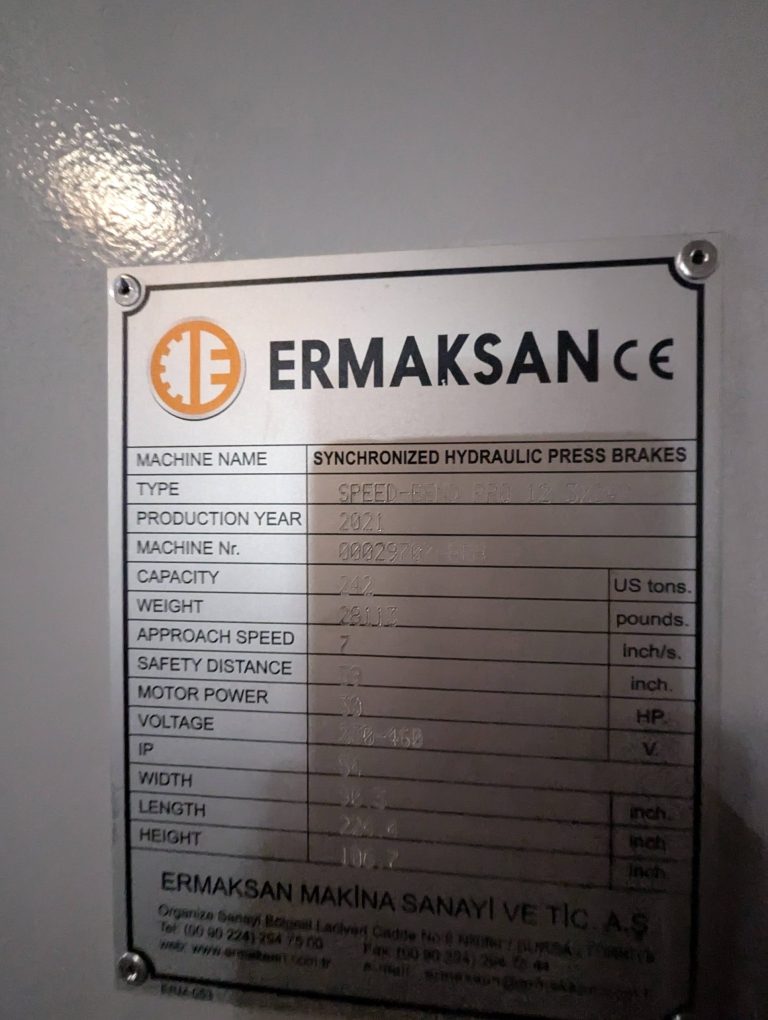
- Capacity: The capacity of a press brake is determined by its tonnage and bending length. Tonnage refers to the maximum force the machine can exert, while bending length is the maximum width of the material it can handle.
Understanding these basics is crucial for selecting the right press brake for your needs and ensuring its proper operation.
Key Features to Look for in a Press Brake
When investing in a hydraulic press brake, it’s essential to consider several key features to ensure it meets your fabrication requirements:
- Tonnage and Bending Length: Choose a press brake with adequate tonnage and bending length for the materials you work with most frequently.
- Control System: Modern press brakes come with CNC (Computer Numerical Control) systems that offer precision and ease of use. Look for user-friendly interfaces and programmable features.
- Back Gauge: A reliable back gauge is essential for accurate and repeatable bends. Consider models with multi-axis back gauges for complex bending tasks.
- Safety Features: Ensure the press brake includes safety features such as light curtains, emergency stops, and safety guards to protect operators.
- Tooling Options: Versatile tooling options allow for a wide range of bending applications. Check for compatibility with different dies and punches.
By focusing on these features, you can select a press brake that enhances your shop’s capabilities and efficiency.
Tips for Optimizing Your Press Brake Use
To get the most out of your hydraulic press brake, consider the following tips:
- Regular Maintenance: Keep your press brake in top condition by performing regular maintenance. This includes checking hydraulic fluid levels, inspecting for leaks, and lubricating moving parts.
- Proper Tooling Setup: Ensure that your tooling is set up correctly for each job. Incorrect tooling can lead to inaccurate bends and damage to the machine.
- Operator Training: Invest in training for your operators to ensure they understand the machine’s capabilities and safety protocols. “A well-trained operator is key to maximizing efficiency and minimizing errors.”
- Material Handling: Use appropriate material handling equipment to reduce the risk of damage and improve workflow. This includes using lifting devices and conveyors for heavy or large sheets.
- Monitor Performance: Keep track of the machine’s performance and make adjustments as needed. This can help identify issues early and prevent costly downtime.
Implementing these tips can help you achieve consistent, high-quality results and extend the lifespan of your press brake.
Mastering the use of hydraulic press brakes is a valuable skill for any metal fabricator. By understanding the basics, choosing the right features, and optimizing your machine’s use, you can enhance your shop’s productivity and quality. For more information on hydraulic press brakes and other fabrication equipment, check out Mastering Hydraulic Press Brakes.
Hydraulic press brakes are fundamental machines in metal fabrication, designed to precisely bend and shape metal sheets. These versatile tools are essential for any fabrication shop aiming to enhance productivity and maintain high-quality output. Whether you’re a seasoned fabricator or new to the industry, mastering hydraulic press brakes can significantly improve your workflow. This guide delves into the essentials of hydraulic press brakes, outlines important features to look for when purchasing, and offers expert tips for optimizing their use.
Maintenance Tips
- Regularly check hydraulic fluid levels and replace them according to the manufacturer’s recommendations.
- Inspect the machine for leaks and address them immediately to prevent damage.
- Ensure all moving parts are lubricated to minimize wear and tear.
- Calibrate the machine periodically to maintain precision in bending operations.
Typical Cost Ranges
The cost of hydraulic press brakes can vary widely based on size, capacity, and features. Smaller models may start around $50,000, while larger, more advanced machines can exceed $200,000.
Performance Specs
- Bending capacity: Ranges from 20 to over 200 tons.
- Bending length: Typically between 4 feet and 20 feet.
- Accuracy: Most high-quality machines offer precision within ±0.0004 inches.
- Speed: Varies depending on model, with some machines offering up to 200 bends per minute.
Buying Advice
When purchasing a hydraulic press brake, consider the materials and thicknesses you will frequently work with to determine the necessary tonnage and bending length. Evaluate the control system’s ease of use and whether it supports the automation features you need. Additionally, assess the supplier’s support and service offerings to ensure reliable maintenance and parts availability.
FAQs
What is the primary advantage of a hydraulic press brake over a mechanical one?
Hydraulic press brakes offer superior precision and flexibility, allowing for more complex bends with consistent results.
How often should a hydraulic press brake be serviced?
It is advisable to conduct a full service check every 1,000 to 2,000 operating hours, depending on usage intensity.
Can hydraulic press brakes handle different materials?
Yes, they can be used to bend various metals, including steel, aluminum, and copper, provided the machine’s capacity aligns with the material’s properties.
What safety features should I look for?
Look for machines with safety guards, emergency stop buttons, and light curtains to protect operators during use.
Do hydraulic press brakes require special installation?
Yes, they often require a stable, level surface and adequate electrical and hydraulic connections. It’s recommended to have a professional installation.
Is operator training necessary for using a hydraulic press brake?
Yes, proper training is crucial for safe and efficient operation, as well as for understanding the machine’s capabilities and maintenance needs.
Mastering Hydraulic Press Brakes: Tips for Fabricators