How to Select Metals for Fatigue Resistance in Metal Fabrication Operations
Selecting the right metal for a fabrication job isn’t just about initial strength or cost; it’s about delivering reliable, long-lasting parts. A good shop manager knows that fatigue resistance is the difference between a part that quietly delivers years of service, and one that fails unexpectedly, causing downtime and costly call-backs. This article brings together proven best practices and practical shop-floor wisdom so you can select the best metals for fatigue resistance—making every weld, form, and cut count for lasting performance.
Understanding Fatigue Failure Mechanisms in Metals
Fatigue failure is a silent enemy: parts often look fine until they crack. Metal fatigue happens when a part is exposed to repeated cycles of loading and unloading, even if the loads are much lower than what would break it in one shot. Over time, small cracks form and grow until the part fails. Often, fatigue is responsible for the majority of unexpected failures in service, especially in rotary equipment, welded frames, or components subject to vibration.
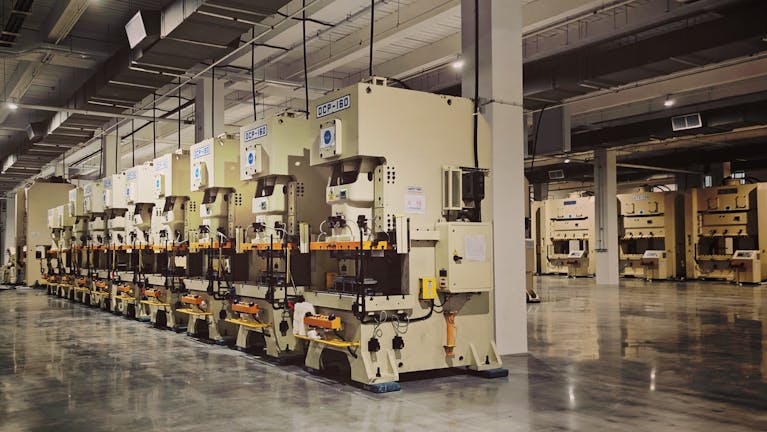
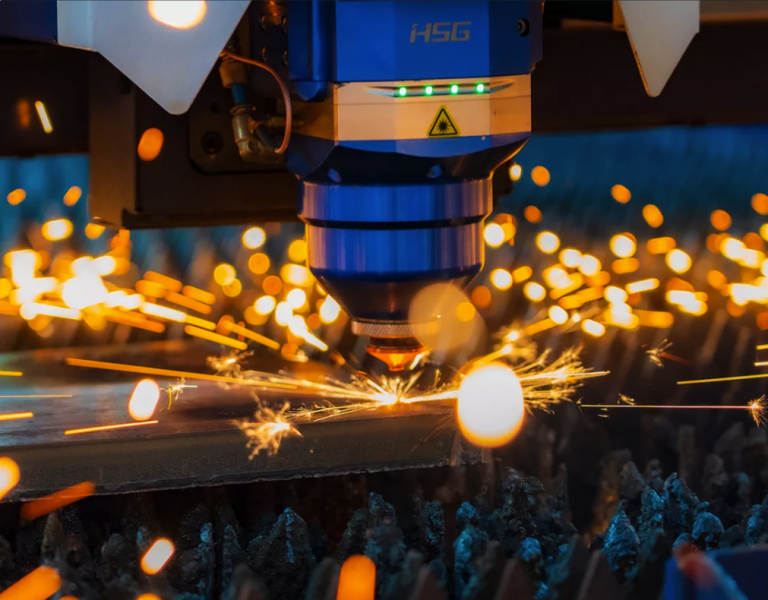
For shop managers, the first sales opportunity here is reliability: emphasizing to customers how a well-chosen metal reduces repeat failures. On the shop floor, fatigue resistance impacts machining speeds and equipment longevity. Machines like CNC press brakes, laser cutters, and robotic welders need to be set for the specific alloy’s characteristics, especially in repeated operations. Progressive die stamping lines, for example, reduce excessive part handling, which minimizes surface scratches that can act as starting points for fatigue cracks. Cutting oily, scaled, or rough plate may introduce surface defects, so keeping a clean process pays fatigue resistance dividends.
Assessing Critical Service Loads and Fatigue Life Requirements
Selecting a metal for fatigue resistance starts by understanding the part’s workload. Is it going to see millions of little stress cycles (like a suspension bracket), or just a few big flexes (like heavy press tooling)? You need to know the cycle count and load profile right at the quoting stage. Customers may not realize how real-world vibration, bending, or impact can destroy underdesigned parts, so guiding them with clear questions builds trust and can generate upsell opportunities for enhanced materials or coatings.
From a technical standpoint, determine the operating stress, environment, and safety factors. Logistically, this means gathering information from maintenance records, OEM specs, and site audits. On fabrication lines, select equipment that minimizes set-up changes for these applications, such as automated material feeders or programmable CNC systems, which also cut down on manual handling and potential part damage. For high-volume work, progressive stamping or transfer presses streamline throughput and reduce touchpoints, which is key for maintaining smooth, crack-free surfaces critical for fatigue resistance.
Comparing Metal Alloys for High-Cycle and Low-Cycle Fatigue Performance
Not all alloys are created equal when it comes to fatigue resistance. For high-cycle fatigue (where parts see millions of cycles), low-carbon steels like 1018 might not last as long as alloys like 4140 or 17-4 PH stainless, which are made to withstand repeated flexing. In contrast, components exposed to a handful of extreme loads (low-cycle fatigue) may benefit from ductile materials that can absorb shock, such as certain grades of aluminum or normalized alloy steels.
From a machine recommendation perspective, higher-strength alloys often require slower feed rates, special tooling, or coolants, so prepping your machines for these runs is important. This means scheduling work on heavy-duty CNC lathes or mills with vibration damping, and using precision grinders for final tolerances. Investing in press brakes and shear machines with wear-resistant dies pays off, as high-fatigue-resistant metals can be abrasive. Quoting these jobs requires factoring in tool wear, setup time, and reduced handling using conveyors or automatic stackers for consistent positioning.
Evaluating Surface Treatments and Heat Treatments to Enhance Fatigue Resistance
Surface quality can make or break your fatigue performance. Minute scratches or weld spatter act as stress risers. That’s why processes like shot peening, polishing, or special coatings such as nitriding are so valuable—they create a compressed surface layer that resists crack growth. Heat treatments can also dramatically improve fatigue life by modifying the metal’s internal structure. For example, quenching and tempering transforms steel to boost both strength and ductility, while age-hardening is essential for many aluminum alloys.
On the shop floor, selecting the right machines—like automated shot peen cabinets, precision induction heaters, or CMMs (coordinate measuring machines) for post-treatment inspection—minimizes scrap and rework. Organize the workflow with inline quality checks and robotic handling to avoid scratches between stages. A sales-savvy manager can upsell surface treatments as a value-added feature, backing up performance guarantees with both test data and real-world case studies.
Integrating Fatigue Analysis into Material Selection and Fabrication Processes
Fatigue-resistance isn’t an afterthought; it should shape your whole quoting, purchasing, and production process. Use simulation software to model high-stress areas before parts ever hit the cutting floor, helping you avoid over-building or under-engineering parts and managing costs proactively. When selecting materials, coordinate with vendors for mill certs and traceability, especially for critical fatigue-duty applications.
Integration with shop scheduling software ensures that long-cycle, fatigue-critical components are grouped for specialized treatments, minimizing changeovers. Job routers and ERP systems flagged with fatigue-critical notes prompt operators to handle these parts with extra care, reducing accidental drops or improper stacking. When deploying machines for these jobs, select those with part-position memory and error-proofing checks to limit human error and increase consistency.
Frequently Asked Questions (FAQ)
How does fatigue resistance affect the price of fabricated parts?
Upgrading to fatigue-resistant alloys or including extra treatments may increase initial cost but saves money by preventing costly failures and warranty claims.
Do we need special machines to fabricate fatigue-resistant metals?
Some alloys require upgraded tooling, cooling, and slower production speeds. Investing in modern CNCs or precision finishing equipment is often cost-effective for these jobs.
Is surface finish really that important for fatigue resistance?
Yes, a smooth, defect-free surface prevents cracks from starting, dramatically increasing part longevity.
What’s the best way to reduce material handling for these parts?
Use progressive dies, conveyors, and robotic stackers to handle parts efficiently and gently throughout the process.
Can we retrofit existing equipment for handling fatigue-critical metals?
Often yes, with upgraded tooling and automated part handling systems to reduce manual contact.
How do we prove to customers our parts have better fatigue life?
Showcase test data, third-party certifications, and offer real-world application examples.
Helpful Info
By taking a proactive approach to fatigue resistance—from material selection through to the fabrication floor—you set your operation apart for reliability and long-term customer value. Investing in the right alloys, treatments, and machine setups may require some change upfront, but the payoff comes in lower returns, higher customer satisfaction, and a justifiably premium product.
If you have further questions about fatigue-resistant metals, machine requirements, or ways to upgrade your shop’s capabilities, reach out to your trusted supplier or technical advisor. Making the right choices now keeps your production line running and your customers coming back.
In metal fabrication operations, selecting the right metal is pivotal not only for initial strength and cost-effectiveness but also for ensuring long-term durability and reliability. Fatigue resistance is a crucial factor that determines whether a fabricated part will provide years of service or fail unexpectedly, leading to costly downtime and repairs. This guide focuses on best practices and practical insights for choosing metals that offer optimal fatigue resistance, ensuring that every weld, form, and cut contributes to lasting performance. Understanding the mechanisms of fatigue failure in metals is essential, as this often silent process can lead to catastrophic failures if not properly accounted for in the selection process.
Maintenance Tips
- Regularly inspect metal parts for signs of fatigue such as cracks or deformations.
- Implement a preventive maintenance schedule to replace parts before they reach their fatigue limit.
- Ensure proper lubrication of parts to reduce wear and tear.
- Use protective coatings to prevent corrosion, which can exacerbate fatigue.
Typical Cost Ranges
The cost of metals with high fatigue resistance can vary greatly depending on the type of metal and its availability. High-strength steels and titanium alloys typically range from $2 to $15 per pound, whereas aluminum alloys might range from $1 to $5 per pound. Consider the lifecycle cost of the material, factoring in maintenance and replacement costs.
Buying Advice
- Analyze the specific stress conditions the metal will be subjected to during its lifecycle.
- Consider the environment in which the part will operate, including temperatures and exposure to corrosive elements.
- Consult with material scientists or engineers to ensure the selected metal meets the necessary fatigue resistance requirements.
- Review the metal’s fatigue strength data compared to its cost to find a balance between performance and budget.
FAQs
What is fatigue resistance in metals?
Fatigue resistance refers to a metal’s ability to withstand repeated cycles of stress without failing.
Why is fatigue resistance important in metal fabrication?
It ensures the longevity and reliability of parts, reducing the likelihood of unexpected failures and associated costs.
How can I test a metal’s fatigue resistance?
Fatigue testing involves subjecting a sample to repeated stress cycles until failure, measuring the number of cycles it withstands.
Are there specific metals known for high fatigue resistance?
Yes, metals like titanium alloys, high-strength steels, and certain aluminum alloys are known for their high fatigue resistance.
Does heat treatment affect fatigue resistance?
Yes, heat treatment can enhance fatigue resistance by altering the metal’s microstructure.
Can coatings improve a metal’s fatigue resistance?
Coatings can protect against corrosion and surface wear, indirectly improving fatigue resistance.
How to Select Metals for Fatigue Resistance in Metal Fabrication Operations