Exploring Essential Equipment in Metal Fabrication
In the world of metal fabrication, having the right tools and equipment is crucial for efficiency, precision, and safety. Whether you’re a seasoned professional or just starting out, understanding the essential equipment used in this industry can make a significant difference in your operations. This article will guide you through the basics of key metal fabrication tools, explore cutting-edge technology in modern machines, and emphasize the importance of safety gear for metal workers.
Understanding the Basics: Key Metal Fabrication Tools
Metal fabrication involves various processes, each requiring specific tools to achieve the desired results. Here are some of the fundamental tools every metal fabrication company should consider:
-
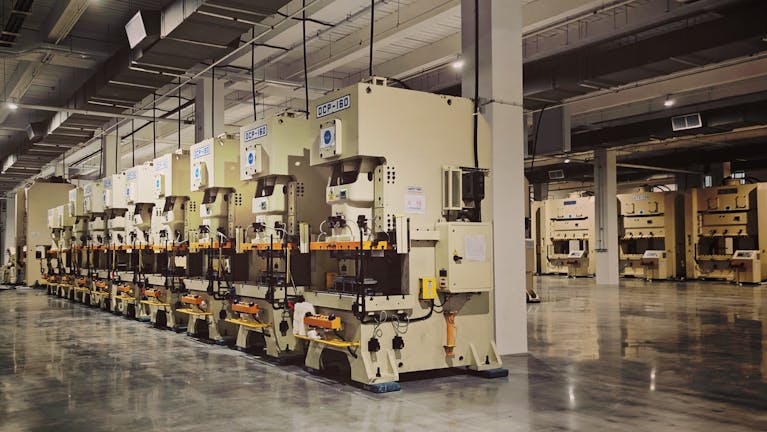
Brake Presses: These machines are essential for bending metal sheets into desired shapes. They come in different types, such as hydraulic, mechanical, and pneumatic, each offering unique advantages.
-
Shears: Used for cutting metal sheets, shears are available in various forms, including power shears and bench shears. They provide clean cuts and are crucial for preparing materials for further processing.
-
Folders: Folders are used to create precise folds in metal sheets. They are particularly useful for creating complex shapes and designs.
-
Roll Formers: These machines are designed to shape metal by passing it through a series of rollers. Roll formers are ideal for producing long sections of metal with consistent cross-sections.
Understanding these tools and their functions is the first step in optimizing your metal fabrication processes.
Cutting-Edge Tech: Modern Machines in Fabrication
The metal fabrication industry is continuously evolving, with new technologies enhancing productivity and precision. Here are some modern machines that are making waves in the industry:
-
CNC Machines: Computer Numerical Control (CNC) machines have revolutionized metal fabrication by automating complex tasks. They offer high precision and repeatability, making them indispensable in modern workshops.
-
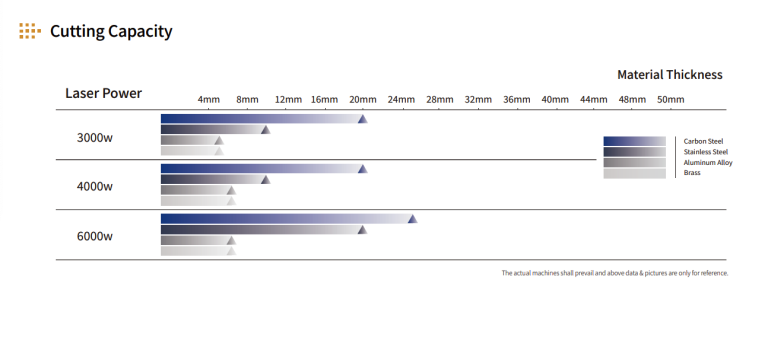
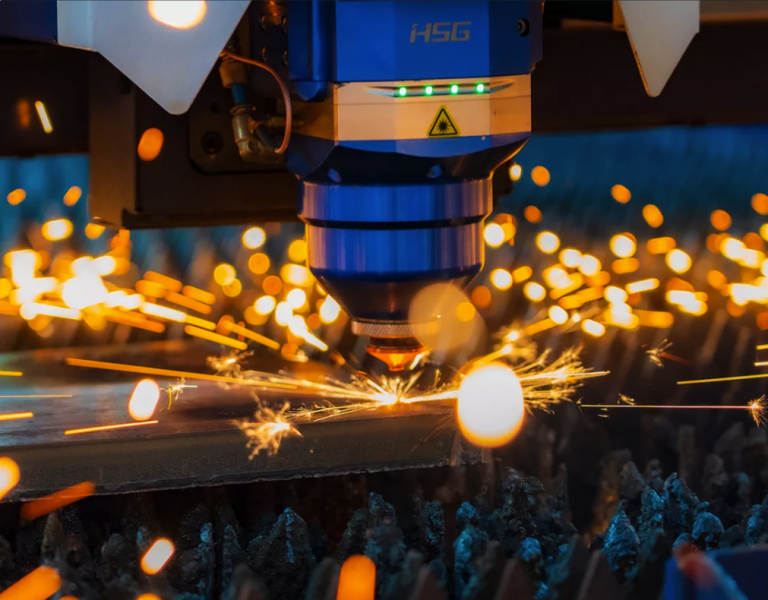
Laser Cutters: These machines use laser beams to cut through metal with incredible accuracy. They are perfect for intricate designs and are faster than traditional cutting methods.
-
3D Printers: While traditionally associated with plastics, 3D printing is now being used for metal fabrication. This technology allows for rapid prototyping and the creation of complex geometries that would be difficult to achieve with conventional methods.
-
Robotic Welders: Automation in welding has improved efficiency and safety. Robotic welders can handle repetitive tasks with precision, reducing human error and increasing output.
Embracing these technologies can give your business a competitive edge by improving efficiency and expanding your capabilities.
Safety First: Essential Gear for Metal Workers
Safety is paramount in metal fabrication due to the inherent risks involved. Equipping your team with the right safety gear is essential to prevent accidents and injuries. Here are some must-have safety equipment items:
-
Protective Clothing: Flame-resistant clothing is crucial for protecting workers from sparks and heat. Ensure that clothing fits well and covers all exposed skin.
-
Eye Protection: Safety goggles or face shields protect against flying debris and harmful light from welding.
-
Hearing Protection: Metal fabrication can be noisy. Earplugs or earmuffs help protect workers’ hearing in loud environments.
-
Gloves: Cut-resistant gloves provide protection against sharp edges and hot materials.
-
Respirators: When working with materials that produce fumes or dust, respirators are essential to protect workers’ respiratory health.
Prioritizing safety not only protects your workers but also enhances productivity by reducing downtime due to accidents.
In the ever-evolving field of metal fabrication, staying informed about essential equipment and safety practices is crucial for success. For more detailed information on the latest tools and technologies, visit Exploring Essential Equipment in Metal Fabrication. By investing in the right tools and prioritizing safety, you can ensure that your metal fabrication operations run smoothly and efficiently.
Metal fabrication is a complex industry that relies heavily on a range of specialized tools and equipment to ensure efficiency, precision, and safety. This field requires both traditional machinery and cutting-edge technology to execute various processes, from cutting and welding to bending and assembling metal parts. Essential equipment includes everything from hand tools and welders to CNC machines and plasma cutters. For those involved in metal fabrication, understanding and investing in the right equipment can significantly impact operational success and worker safety.
Maintenance Tips
- Regularly inspect tools and machinery for wear and tear to prevent breakdowns.
- Keep cutting tools sharp and clean for optimal performance.
- Lubricate moving parts routinely to reduce friction and wear.
- Ensure all safety guards and emergency stops are functional and accessible.
Typical Cost Ranges
The cost of metal fabrication equipment can vary widely based on type and capability:
- Hand Tools: $50 – $500
- Welding Machines: $200 – $5,000
- CNC Machines: $5,000 – $100,000+
- Plasma Cutters: $800 – $10,000
Buying Advice
- Assess your specific needs and processes to determine the most suitable equipment.
- Consider the scalability of equipment to accommodate future growth.
- Evaluate the reputation and support services of manufacturers and suppliers.
- Balance initial costs with long-term value and durability.
Frequently Asked Questions
What are the most common tools used in metal fabrication?
Common tools include hand tools, welders, grinders, drills, and cutting machines like CNC and plasma cutters.
How important is safety gear in metal fabrication?
Safety gear is crucial to protect workers from hazards such as sharp metal edges, flying debris, and intense heat.
What is the role of CNC machines in metal fabrication?
CNC machines are used for precise cutting, shaping, and drilling, increasing efficiency and accuracy in production.
How often should equipment maintenance be performed?
Routine maintenance should be performed monthly, with more thorough inspections annually.
Can I start a metal fabrication business with basic tools?
While basic tools can allow you to begin small projects, investing in advanced equipment is essential for larger scale operations.
Is training necessary for operating metal fabrication machinery?
Yes, proper training is essential to safely and effectively operate machinery and to maximize its capabilities.
Exploring Essential Equipment in Metal Fabrication