Essential Machines for Every Fabrication Shop
In the world of metal fabrication, having the right machinery is crucial for efficiency and precision. Whether you’re setting up a new shop or upgrading your existing equipment, understanding the essential machines for every fabrication shop can make all the difference. From cutting-edge tools to welding wonders, and the finishing touches that ensure quality, this guide will walk you through the must-have equipment for any metal fabrication operation.
Cutting-Edge Tools: The Backbone of Fabrication
When it comes to metal fabrication, cutting tools are the backbone of any operation. These machines not only shape the metal but also set the stage for the rest of the fabrication process. Here are some essential cutting tools every shop should consider:
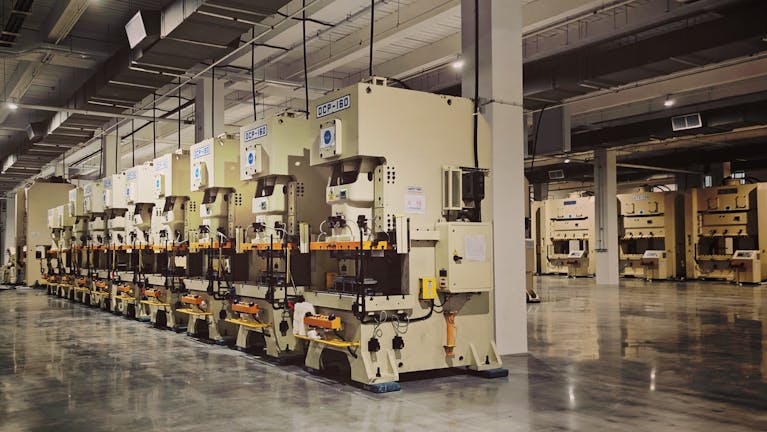
- Brake Presses: These are indispensable for bending metal sheets into precise shapes. With advancements in technology, modern brake presses offer enhanced accuracy and efficiency.
- Shears: Perfect for cutting straight lines in metal sheets, shears are a staple in any fabrication shop. They come in various types, including guillotine and alligator shears, each suited for different tasks.
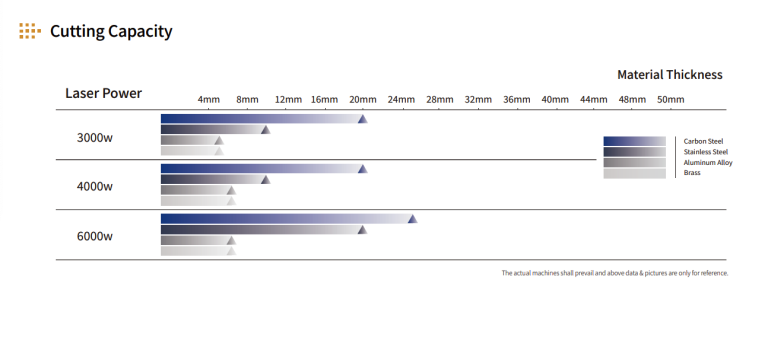
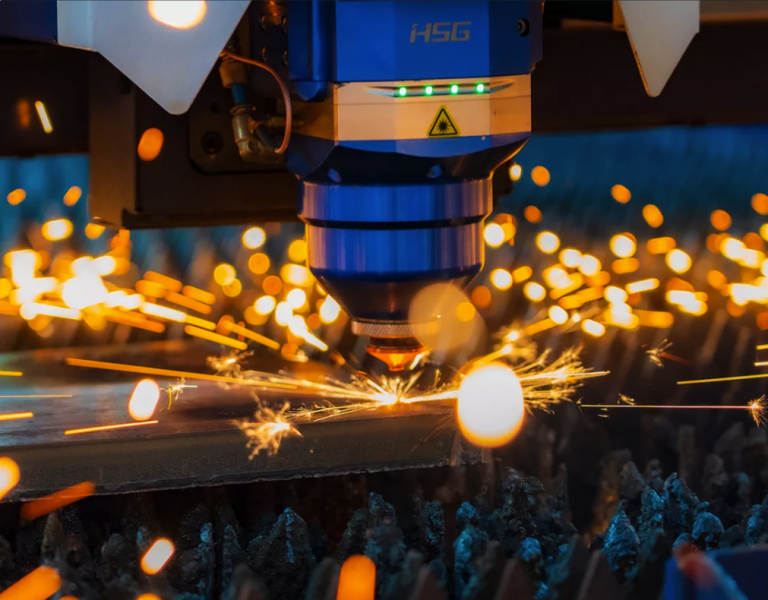
- Laser Cutters: For intricate designs and high precision, laser cutters are unmatched. They provide clean cuts with minimal waste, making them ideal for complex projects.
- Plasma Cutters: Known for their speed and versatility, plasma cutters can handle a wide range of metals and thicknesses, making them a popular choice for many fabricators.
Investing in these cutting-edge tools ensures that your shop can handle a variety of projects with precision and efficiency.
Welding Wonders: Machines That Make It Happen
Welding is the heart of metal fabrication, and having the right welding machines can significantly impact the quality and strength of your products. Here are some key welding machines to consider:
- MIG Welders: Known for their ease of use and speed, MIG welders are great for both beginners and experienced fabricators. They are versatile and can handle a variety of metals.
- TIG Welders: Offering precision and control, TIG welders are ideal for projects requiring detailed work. They are perfect for thin materials and non-ferrous metals.
- Stick Welders: These are robust and reliable, making them suitable for outdoor and heavy-duty applications. They work well on rusty or dirty metals, which can be a huge advantage in certain environments.
Each welding machine has its unique advantages, and choosing the right one depends on the specific needs of your shop and the types of projects you undertake.
Finishing Touches: Essential Polishing Equipment
Once the cutting and welding are complete, the next step is to ensure that the final product is polished and presentable. Finishing equipment plays a crucial role in this stage:
- Grinders: Essential for smoothing rough edges and surfaces, grinders come in various forms, including angle grinders and bench grinders. They help achieve a clean and polished finish.
- Sanders: These are perfect for fine-tuning surfaces and preparing them for painting or coating. Belt sanders and orbital sanders are commonly used in fabrication shops.
- Deburring Machines: These machines remove burrs and sharp edges, ensuring safety and a professional appearance. They are crucial for maintaining the quality of the final product.
Having the right finishing equipment ensures that your products not only meet but exceed customer expectations in terms of quality and aesthetics.
Equipping your fabrication shop with the right machines is essential for delivering high-quality products efficiently. From cutting-edge tools to welding wonders and essential polishing equipment, each machine plays a vital role in the fabrication process. For more detailed information on the Essential Machines for Every Fabrication Shop, visit Mac-Tech. Investing in the right equipment today can set your shop up for success tomorrow.
In the world of metal fabrication, equipping your shop with the right machinery is paramount to achieving efficiency and precision in your operations. Whether you’re establishing a new facility or upgrading your current setup, understanding the essential machines for a fabrication shop can significantly impact your workflow and product quality. This guide explores the indispensable equipment necessary for any metal fabrication operation—from cutting-edge tools that form the foundation of fabrication to advanced welding machines and finishing equipment that ensures a polished final product.
Essential Machines for Metal Fabrication
- Cutting Tools: These include laser cutters, plasma cutters, and waterjet cutters, crucial for shaping metal with precision.
- Welding Machines: MIG, TIG, and stick welders are fundamental for joining metal pieces securely.
- Forming Equipment: Press brakes and rolling machines help in bending and forming metal to desired shapes.
- Finishing Tools: Grinders, sanders, and polishers are vital for achieving smooth and quality finishes on metal surfaces.
Maintenance Tips
- Regularly inspect and replace worn-out components to prevent breakdowns.
- Keep machines clean and free of debris to maintain optimal performance.
- Ensure all moving parts are lubricated according to manufacturer guidelines.
- Conduct routine safety checks to ensure all safety features are functional.
Performance Specifications
When selecting machinery, consider the following specifications:
- Cutting Speed and Precision: Determine the thickness and type of metals you will be working with.
- Power Requirements: Ensure your shop’s electrical system can support the machines.
- Capacity and Size: Match the machine size to your shop’s space and production needs.
Buying Advice
When purchasing metal fabrication machinery, prioritize machines that offer the best balance of technology, durability, and cost. Consider buying from reputable manufacturers and check for warranties and after-sales support. Assess your current and future production needs to avoid under or over-investing in equipment.
FAQs
- What is the most important machine in a fabrication shop? While all machines have their importance, cutting tools like laser or plasma cutters are often considered the backbone of a fabrication shop due to their role in shaping metal.
- How often should I perform maintenance on my machines? Regular maintenance should be performed monthly, with more thorough inspections and servicing every six months to a year, depending on usage.
- Can I upgrade my machinery later? Yes, many machines can be upgraded with newer technology, but it’s important to ensure compatibility with existing equipment.
- What is the typical cost range for a quality welding machine? A quality welding machine can range from $500 to $5,000, depending on the type and features.
- Do I need special training to operate these machines? Yes, proper training is crucial for safe and efficient operation of metal fabrication machinery.
Essential Machines for Every Fabrication Shop