Ermaksan Solutions for Defense Industry: Enhancing Production Speed, Structural Strength, and Large-Scale Metal Fabrication
In today’s high-stakes world of defense manufacturing, the pressure is on to deliver components and assemblies that meet the strictest requirements: speed, accuracy, durability, and exacting tolerances. Production and operations managers know all too well that the right toolroom setup—and the right strategic partner—can make or break their throughput, compliance, and profitability goals. Ermaksan’s solutions are tailored for the real-life shop floor, helping your team overcome bottlenecks, minimize rework, and maximize output while keeping safety and cost in check. Let’s look at how speed, structural strength, and scale are brought together with Ermaksan’s technology to address common challenges in the defense sector.
Leveraging High-Speed Fiber Laser Cutting for Defense Applications
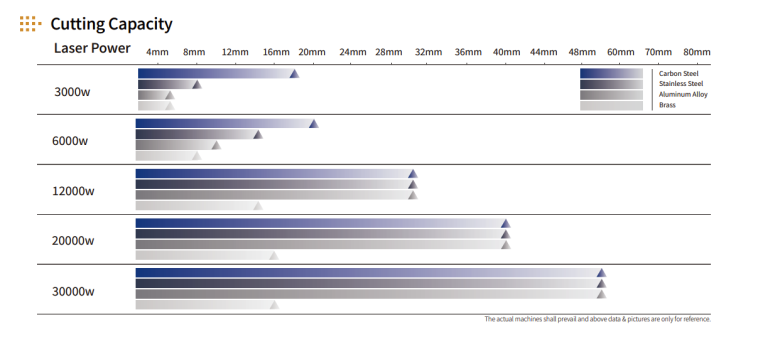
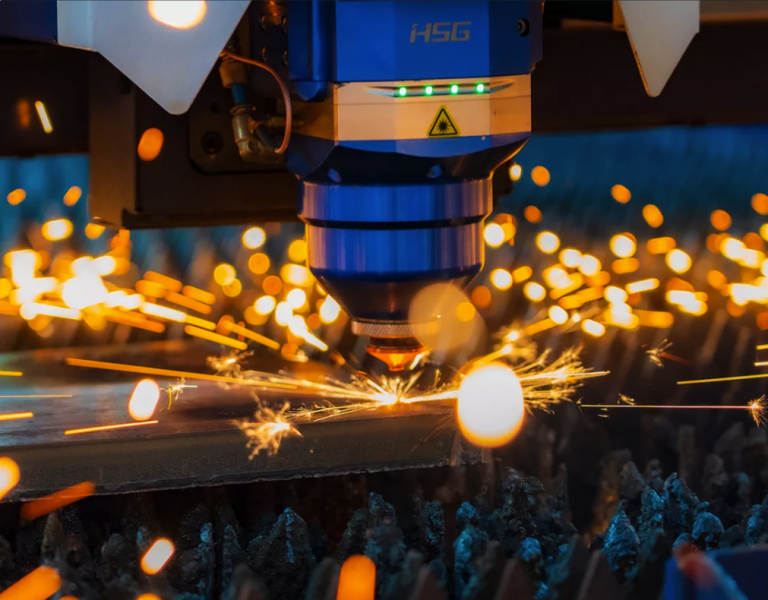
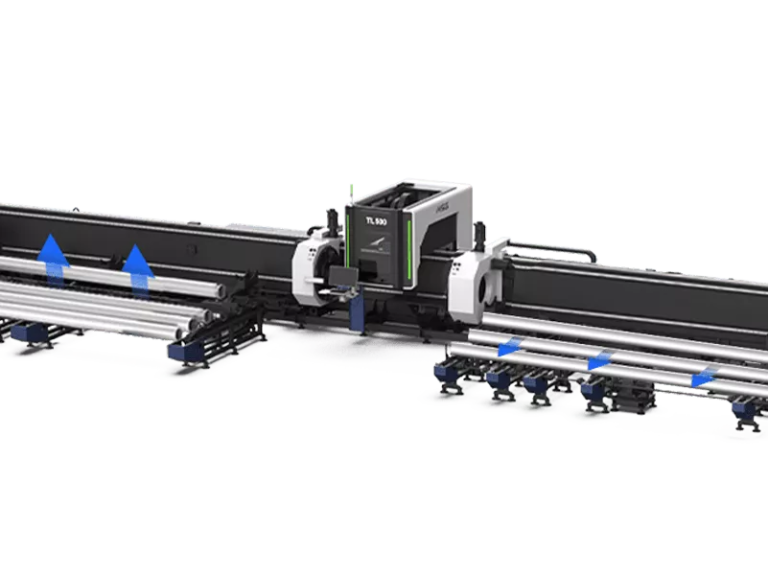
Laser cutting has become the gold standard in defense manufacturing for its ability to process metals with high accuracy and at remarkable speeds. Ermaksan’s high-power fiber laser cutting machines, such as the EVO III Fiber Laser Series, are ideal for fabricating complex armor plates, brackets, enclosures, and chassis components from various defense-grade steels and alloys.
With cutting speeds that beat CO₂ lasers, these fiber systems handle thick armor plate as well as intricate parts with tiny holes or sharp corners. The laser head’s dynamic response reduces the need for manual finishing, translating to higher throughput with fewer secondary operations. For most defense projects, you can save significant time by nesting parts tightly, thanks to the precise beam and intelligent software. This minimizes material waste—a critical cost saver when dealing with high-value alloys.
On the shop floor, one of the biggest challenges is material handling and repositioning. Ermaksan machines support automated loading and unloading, even with large and heavy sheets. A programmable shuttle table and robust fume extraction further streamline integration with weld cells and assembly lines, making it much easier to implement continuous, progressive production.
Maximizing Structural Integrity with Advanced Press Brake Technology
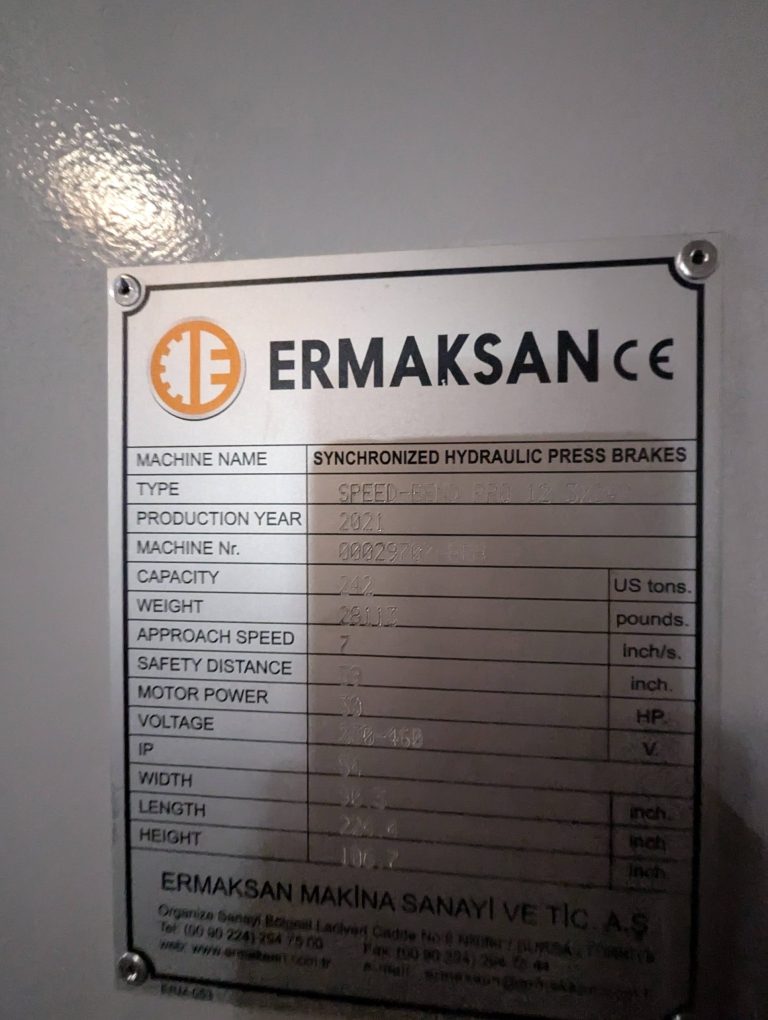
For defense contracts that call for robust, load-bearing enclosures and reinforced vehicle hulls, bending accuracy and repeatability are just as crucial as cutting proficiency. Ermaksan’s press brake range—particularly the Speed Bend Pro and Power Bend Pro models—delivers high tonnage performance paired with programmable precision.
Every operation manager faces the trade-off between speed and bending force. With Ermaksan’s servo-controlled backgauges, automatic crowning, and angle measurement systems, you can achieve precise angles in one pass, reducing the need for time-consuming manual corrections. This is especially valuable when working with armor-grade or hardened steels, which require high press forces and careful control to avoid cracks or springback.
For large parts, such as anti-blast panels or subframes, extended working lengths up to 8 meters are available, making it possible to handle big assemblies without segmenting the process. The modular tooling and quick-change systems minimize downtime between setups, so your team can adapt quickly to different component sizes or batch runs.
Facilitating Large-Scale Metal Fabrication through Automated Solutions
Defense projects often move from rapid prototyping to full-scale production, which means you need flexible automation to keep up. Ermaksan supports lights-out production with modular automation systems like the Ermaksan Tower Automation, which integrates seamlessly with their fiber lasers and press brakes.
Automated storage, retrieval, and part sorting systems drastically cut down on manual handling—a major source of labor fatigue, errors, and accidental damage. When dealing with large armor assemblies or thick turret rings, heavy-duty lifters and conveyors manage the materials safely and efficiently.
By connecting upstream and downstream processes, Ermaksan’s robots and handling systems enable progressive assembly, where cut and bent parts move directly to the welding station or quality check without stacking in intermediate storage. This not only reduces production footprint but also cuts lead time and helps maintain part traceability for military compliance.
Integrating Precision and Consistency with CNC Machine Tools
CNC accuracy is non-negotiable in the defense market, with strict records required for every part and process. Ermaksan’s CNC punch and bending machines are backed by high-resolution encoders and rigid frames, translating to less deviation across long production runs.
The Ermaksan CNC Punch Presses deliver consistent repeatability for chassis, control panels, and custom brackets, with automated tool change and multi-tool turrets to minimize setup. Their machines offer remote diagnostics and predictive maintenance options, so you avoid costly downtime and unplanned repairs.
For operations that demand both strength and finish—such as armored electronics cabinetry or precision-matched hull plates—Ermaksan’s CNC machines provide surface finishes that often eliminate the need for subsequent sanding or deburring, facilitating a smoother assembly and progressive flow throughout your plant.
Enhancing Workflow Efficiency with Digital Production Monitoring
With defense production schedules tightening and compliance audits becoming standard practice, digital workflow tools are your ticket to continuous improvement. Ermaksan’s integrated software platforms offer real-time monitoring and reporting for every stage of fabrication. The Ermaksan Factory 4.0 Suite collects data from each machine, so you always know where bottlenecks are forming and which jobs are ahead or behind schedule.
With dashboards tailored for production managers, you can track uptime, tool life, maintenance schedules, and yield rates. These insights allow you to allocate labor dynamically, preempt issues before they delay deliveries, and make better decisions about machine investments or retooling.
Digital logging also supports traceability, which is vital for meeting defense sector documentation requirements. By ensuring that each component’s manufacturing history is recorded, Ermaksan’s systems help streamline both internal audits and external inspections without extra paperwork.
FAQ
How do Ermaksan machines improve production speed compared to older equipment?
Their fiber lasers and automated press brakes process materials faster and require fewer manual steps, which shortens overall cycle times.
Are these solutions compatible with existing shop layouts and processes?
Yes, Ermaksan’s systems can be integrated modularly, allowing phased upgrades without major disruptions.
What about maintenance requirements and downtime?
Smart diagnostics, remote monitoring, and predictive maintenance features help minimize unplanned outages and keep your line running.
Is operator training a barrier to using this advanced technology?
No, Ermaksan provides intuitive interfaces and training support, making transitions from legacy machines straightforward for your team.
Can these solutions handle exotic alloys and ballistic-grade steels?
Absolutely. Ermaksan systems are engineered for high strength materials, with options adjusted for heat-affected zones and wear.
Do digital monitoring systems work for both small and large shops?
Yes, the Factory 4.0 Suite is scalable and customizable to your production size and reporting needs.
Ermaksan’s product suite is built to support the demands of modern defense manufacturing, helping you tackle your biggest challenges in speed, structural strength, and scalability—all with an eye on efficiency and future growth. With smart, robust machine tools, integrated automation, and real-time data insights, you can stay ahead of deadlines and compliance, reduce labor costs, and keep your team focused on quality and delivery. To learn more about how Ermaksan can upgrade your fabrication processes, reach out to their technical sales team or schedule a plant tour today.
Ermaksan solutions for the defense sector center on high‑capacity metal fabrication equipment (such as press brakes, laser cutting systems, and plate processing machines) that support faster production, high structural strength, and large-format parts required for armored structures, vehicle components, and defense infrastructure.
Overview
In defense manufacturing, metal fabrication equipment must handle thick, high‑strength materials while maintaining tight tolerances and repeatable accuracy. Ermaksan’s portfolio is typically applied to cutting, bending, and forming medium‑to‑large plates and profiles, enabling faster throughput and robust structural performance. Configurations are usually tailored to defense workloads, including larger working envelopes, higher forming forces, and automation options that support consistent, high‑volume production.
Typical Cost Ranges
Pricing estimate (USD): Varies by configuration.
- Base configurations with moderate working lengths and capacities are typically at the lower end of each product family’s range, with costs increasing as bending force, laser power, or work envelope size increase. Exact figures depend on the final specification and options chosen.
- Higher‑capacity press brakes or plate processing systems designed for thicker armor plate and large structural components generally command a premium over standard fabrication machines.
- Automation options (material handling, part sorting, tool change systems) and advanced control packages for process optimization can significantly increase total system cost versus manual or semi‑automatic setups.
- Custom configurations for specific defense applications (e.g., extra‑long beds, special tooling interfaces, or integration into existing production lines) are usually priced case‑by‑case rather than from a standard list.
- When budgeting, it is common to separate the machine price from ancillary costs such as installation, training, tooling, and facility modifications, which can represent a substantial additional investment.
Specs That Matter
- Forming / bending capacity: Maximum material thickness and yield strength the machine can reliably process are critical for armor plate, structural frames, and heavy brackets used in defense platforms.
- Working length and table size: Longer beds and larger cutting or bending areas are important for hull sections, vehicle side panels, and other large‑format parts, reducing the need for segmenting and welding.
- Power and force output: For cutting systems, available power determines feasible cutting speeds and maximum thickness; for press brakes and forming machines, tonnage directly affects the range of high‑strength steels that can be formed.
- Accuracy and repeatability: Tight positional tolerances, consistent bend angles, and stable cutting quality are essential to ensure parts fit correctly in assemblies and maintain structural integrity under load.
- Automation and throughput features: Options such as automatic material loading/unloading, CNC controls, and integrated nesting or bending programs can substantially increase production speed and reduce manual handling.
- Compatibility with defense‑grade materials: Capability to process high‑hardness steels and other demanding alloys used in defense applications without excessive tool wear or loss of cut/bend quality.
- Structural rigidity and frame design: A robust machine frame helps maintain precision when processing thick sections or running extended shifts, supporting both structural strength in the finished parts and long‑term machine stability.
Pre-Purchase Checklist
- Confirm the maximum material thickness, strength, and plate size you must process, and ensure the selected configuration comfortably exceeds those requirements.
- Review required tolerances and quality standards for defense components, and verify the machine’s accuracy, repeatability, and control features align with them.
- Assess available floor space, access routes, and foundation conditions to confirm the machine’s dimensions and weight can be accommodated without major structural changes.
- Evaluate the need for automation (loading, unloading, part sorting, tool changes) based on your target throughput and labor availability.
- Check compatibility with your existing tooling, fixturing, and upstream/downstream processes, or plan for any necessary interface adaptations.
- Clarify power, compressed air, and other utility requirements, and ensure your facility infrastructure can reliably support the chosen configuration.
- Request sample parts or process trials using your actual materials to validate cut quality, bend performance, and cycle times.
- Discuss service, maintenance, and spare‑parts support, including typical response times and recommended preventive maintenance intervals.
- Estimate total cost of ownership, including tooling, consumables, training, and potential production downtime during installation and commissioning.
- Ensure the machine and its control systems meet any applicable defense, safety, and data‑handling regulations relevant to your facility.
Common Questions
How does this type of equipment enhance production speed in defense manufacturing? Higher power or tonnage, larger working envelopes, and automation options allow more parts to be processed per shift, reduce manual handling, and shorten setup times, which collectively increase overall throughput.
Why is structural strength of the machine important for defense applications? A rigid, well‑designed frame maintains accuracy when processing thick, high‑strength materials and during long production runs, helping ensure that fabricated components meet structural requirements and fit consistently in assemblies.
Can these machines handle high‑hardness steels and armor plate? The suitability for high‑hardness steels depends on the specific configuration, including tonnage or cutting power and tooling selection; confirming maximum material thickness and strength ratings with the supplier is essential before processing armor plate.
What machine specs most affect large‑scale metal fabrication? Key factors include maximum working length or table size, available tonnage or cutting power, material handling capacity, and the level of automation integrated into the system.
How should I size a machine for vehicle hulls or large panels? Match the working length and table size to your largest part dimensions, and allow additional margin for clamping, tooling, and part orientation so you can process components in a single setup where possible.
What role do CNC controls play in defense fabrication? CNC controls help standardize programs, improve repeatability, and reduce operator dependence, which is particularly valuable when producing complex or safety‑critical components in higher volumes.
Are automation options necessary for smaller defense shops? Not always; smaller operations may start with manual or semi‑automatic configurations and add automation later as volumes grow, but even basic automation can improve consistency and reduce handling of heavy parts.
How do I evaluate if the machine will meet my tolerance requirements? Request detailed accuracy and repeatability specifications, and whenever possible, run sample parts on the proposed configuration using your materials and drawings to verify results.
What additional costs should I expect beyond the base machine price? Common additional costs include tooling and consumables, installation and commissioning, operator and maintenance training, facility modifications, and ongoing service or spare parts.
How important is preventive maintenance for these systems? Regular preventive maintenance is critical to preserve accuracy, uptime, and safety, especially when machines are used intensively in defense production environments.
Ermaksan Solutions for Defense Industry: Enhancing Production Speed, Structural Strength, and Large-Scale Metal Fabrication