Embracing Sustainability: Future of Metal Fabrication
In recent years, sustainability has become a crucial consideration across various industries, and metal fabrication is no exception. As environmental concerns continue to rise, companies involved in metalwork are increasingly seeking ways to reduce their ecological footprint. This shift towards sustainability is not just about compliance with regulations but also about embracing innovative practices that can lead to cost savings and improved efficiency. In this article, we’ll explore why sustainability matters in metal fabrication, highlight key sustainable practices, delve into the innovations driving eco-friendly metalwork, and discuss future trends in green metal fabrication.
Why Sustainability Matters in Metal Fabrication
Sustainability is becoming a critical factor in metal fabrication due to the industry’s significant environmental impact. Metal fabrication processes often involve high energy consumption and generate substantial waste, contributing to pollution and resource depletion. As awareness of these issues grows, stakeholders are increasingly demanding more sustainable practices. For metal fabrication companies, embracing sustainability is not just about reducing their environmental footprint but also about staying competitive in a market that values eco-friendly operations.
Moreover, regulatory pressures are mounting, with governments worldwide implementing stricter environmental regulations. Metal fabrication companies must adapt to these changes to avoid penalties and maintain their licenses to operate. By integrating sustainable practices, these companies can not only meet regulatory requirements but also position themselves as leaders in the green economy, attracting environmentally conscious clients and investors.
Sustainability in metal fabrication also offers economic benefits. By optimizing processes to reduce waste and energy consumption, companies can achieve significant cost savings. Additionally, sustainable practices can enhance a company’s reputation, leading to increased customer loyalty and market share. As the demand for sustainable products grows, metal fabrication companies that prioritize sustainability will be better positioned to capitalize on new business opportunities.
Key Sustainable Practices in the Industry
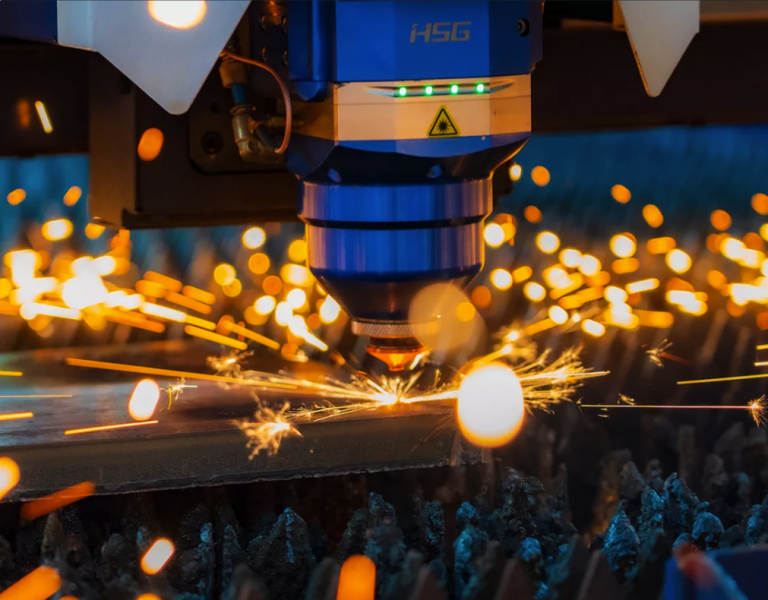
One of the key sustainable practices in metal fabrication is the adoption of energy-efficient technologies. By investing in advanced machinery and equipment that consume less energy, companies can significantly reduce their carbon footprint. For instance, using energy-efficient laser cutting machines or implementing automated systems can lead to substantial energy savings while maintaining high production quality.
Another important practice is waste reduction and recycling. Metal fabrication processes often produce scrap metal and other waste materials. By implementing recycling programs and optimizing material usage, companies can minimize waste and reduce the need for raw materials. This not only helps the environment but also lowers material costs. Additionally, some companies are exploring the use of recycled metals, which can further enhance sustainability efforts.
Water conservation is also gaining attention in the metal fabrication industry. Many fabrication processes require significant water usage, leading to concerns about water scarcity and pollution. By implementing water recycling systems and using water-efficient technologies, companies can reduce their water consumption and minimize their impact on local water resources. These practices not only contribute to sustainability but also help companies comply with environmental regulations.
Innovations Driving Eco-Friendly Metalwork
Innovations in technology are playing a pivotal role in driving eco-friendly metalwork. One such innovation is the development of advanced simulation software that allows companies to optimize their designs and processes before production. By simulating different scenarios, companies can identify the most efficient and sustainable methods, reducing waste and energy consumption during actual production.
Additive manufacturing, or 3D printing, is another groundbreaking innovation contributing to sustainability in metal fabrication. This technology enables the creation of complex metal parts with minimal waste, as it builds components layer by layer. By reducing material waste and allowing for the use of recycled materials, additive manufacturing is revolutionizing the way metal parts are produced, making the process more sustainable.
Furthermore, the integration of the Internet of Things (IoT) in metal fabrication is enhancing sustainability efforts. IoT devices can monitor equipment performance in real-time, allowing for predictive maintenance and reducing downtime. This not only improves efficiency but also extends the lifespan of machinery, reducing the need for frequent replacements and minimizing waste. By leveraging IoT technology, metal fabrication companies can achieve greater sustainability while optimizing their operations.
Future Trends: Green Metal Fabrication
Looking ahead, the future of metal fabrication is set to be increasingly green, driven by both technological advancements and changing consumer preferences. One emerging trend is the use of renewable energy sources to power fabrication facilities. As solar and wind energy become more accessible and affordable, metal fabrication companies are exploring ways to integrate these clean energy sources into their operations, reducing their reliance on fossil fuels.
Another trend is the growing emphasis on circular economy principles. This involves designing products and processes with the end-of-life stage in mind, ensuring that materials can be reused or recycled. By adopting circular economy practices, metal fabrication companies can minimize waste and create a more sustainable supply chain, aligning with global sustainability goals.
Finally, collaboration and partnerships will play a crucial role in the future of green metal fabrication. Companies are increasingly working together to share best practices, develop new technologies, and create industry standards for sustainability. By fostering collaboration, the metal fabrication industry can accelerate its transition to more sustainable practices, benefiting both the environment and the economy.
As the metal fabrication industry continues to evolve, embracing sustainability will be key to its success. By adopting sustainable practices, leveraging innovations, and staying ahead of future trends, companies can reduce their environmental impact while reaping economic benefits. For more insights on sustainable practices in metal fabrication, visit Embracing Sustainability: Future of Metal Fabrication.
The metal fabrication industry is undergoing a transformative shift toward sustainability, driven by rising environmental concerns and the pursuit of efficiency and cost savings. Companies are actively seeking methods to minimize their ecological footprint by adopting sustainable practices, which go beyond mere regulatory compliance. This embrace of sustainability in metal fabrication not only helps in conserving resources but also paves the way for innovation in eco-friendly metalwork. This overview explores the significance of sustainability in metal fabrication, highlights key sustainable practices, and examines the future trends that will shape green metal fabrication.
Key Sustainable Practices in Metal Fabrication
- Utilizing recycled metals to conserve natural resources.
- Implementing energy-efficient machinery to reduce power consumption.
- Adopting waste-reduction techniques such as lean manufacturing.
- Using water-based lubricants and coolants to minimize environmental impact.
Innovations Driving Eco-Friendly Metalwork
- Development of biodegradable and recyclable materials.
- Advancements in additive manufacturing (3D printing) that minimize material waste.
- Integration of renewable energy sources in fabrication processes.
- Use of digital technologies to optimize production and logistics.
Trends in Green Metal Fabrication
- Increased collaboration between industry stakeholders to share sustainable practices.
- Growing demand for transparency in supply chains regarding environmental impacts.
- Investment in research and development for sustainable metal fabrication technologies.
- Enhanced consumer awareness and preference for sustainably manufactured products.
Buying Advice
When purchasing metal fabrication equipment, consider machines that are energy-efficient and have a proven track record of reducing waste. Look for manufacturers that offer comprehensive lifecycle assessments and are committed to sustainability.
FAQs
What are the benefits of sustainable metal fabrication?
Sustainable metal fabrication reduces environmental impact, lowers operational costs, and can enhance brand reputation by demonstrating corporate responsibility.
How can a company start implementing sustainable practices?
Begin by conducting an audit of current processes to identify areas for improvement and invest in energy-efficient technology and training for staff on sustainable practices.
Is there a cost difference between sustainable and traditional metal fabrication?
While initial investments may be higher, sustainable practices often result in long-term savings due to increased efficiency and reduced waste.
What role does technology play in sustainable metal fabrication?
Technology is crucial in optimizing production processes, reducing material waste, and improving energy efficiency, all of which contribute to sustainability.
Are there industry standards for sustainable metal fabrication?
Yes, there are various standards and certifications that guide sustainable practices in metal fabrication, such as ISO 14001 for environmental management systems.
Embracing Sustainability: Future of Metal Fabrication