Boost Profits: Essential Metalworking Cost-Saving Tips
In the competitive world of metal fabrication, maximizing profits is a top priority. Whether you’re a seasoned veteran or new to the industry, finding ways to cut costs without sacrificing quality is crucial. From streamlining processes to investing in the latest technology, there are numerous strategies that can help you boost your bottom line. Let’s dive into some essential cost-saving tips for metalworking that can help your business thrive.
Streamline Your Metalworking Processes
Efficiency is key in metal fabrication. By streamlining your processes, you can save time, reduce errors, and ultimately cut costs. Here are some tips to help you achieve this:
- Evaluate Your Workflow: Regularly assess your current processes to identify bottlenecks or inefficiencies. This can help you pinpoint areas for improvement and streamline operations.
- Implement Lean Manufacturing: Adopt lean principles to minimize waste and improve productivity. Techniques such as 5S (Sort, Set in order, Shine, Standardize, Sustain) can help create a more organized and efficient workspace.
- Automate Where Possible: Consider automating repetitive tasks to save time and reduce labor costs. For example, using CNC machines can enhance precision and speed in metalworking.
Optimize Material Usage and Reduce Waste
Material costs can significantly impact your bottom line. By optimizing material usage and reducing waste, you can improve your profitability. Here are some strategies to consider:
- Use Nesting Software: Implement nesting software to optimize the layout of parts on raw materials. This can help you maximize material usage and minimize scrap.
- Recycle and Reuse: Establish a recycling program for scrap metal and other materials. Not only does this reduce waste, but it can also generate additional revenue.
- Standardize Material Sizes: Standardizing the sizes of materials you use can reduce waste and simplify inventory management.
Invest in Efficient Technology and Training
Investing in the right technology and training can yield significant returns in the long run. Here’s how:
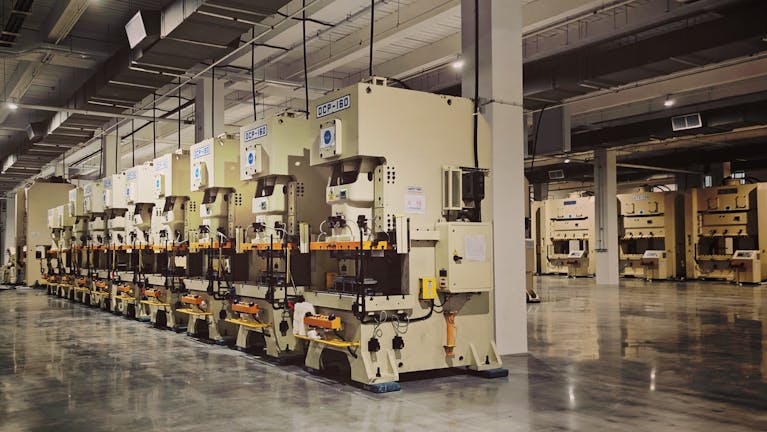
- Upgrade Your Equipment: Invest in modern, energy-efficient machinery that can increase productivity and reduce operational costs. Equipment like advanced brake presses and roll formers can enhance efficiency.
- Provide Ongoing Training: Ensure your team is well-trained on the latest technologies and techniques. Regular training sessions can improve skills and boost productivity.
- Embrace Industry 4.0: Leverage smart technologies such as IoT and data analytics to monitor equipment performance and predict maintenance needs, reducing downtime and repair costs.
Boosting profits in metalworking requires a strategic approach to process optimization, material management, and technology investment. By implementing these essential cost-saving tips, you can enhance efficiency, reduce waste, and ultimately improve your bottom line. For more insights and resources on how to boost profits in metalworking, visit Mac-Tech.
In the competitive realm of metal fabrication, boosting profits hinges on efficient cost management without compromising on quality. Whether you’re a veteran or a newcomer to the industry, identifying cost-saving measures is essential for business growth. Implementing streamlined processes and investing in cutting-edge technology are some of the numerous strategies that can enhance profitability. This guide explores essential metalworking cost-saving tips, focusing on process optimization and technological advancements to help your business thrive.
Maintenance Tips
- Regularly inspect machinery for wear and tear to prevent breakdowns and costly repairs.
- Implement a scheduled maintenance plan to ensure all equipment is operating at peak efficiency.
- Train staff on proper machine handling to minimize misuse and extend equipment lifespan.
Typical Cost Ranges
The cost of metal fabrication equipment can vary widely based on the type and sophistication of the machinery. Basic machines can range from $5,000 to $50,000, while more advanced CNC machines may cost between $50,000 and $500,000.
Performance Specs
- Efficiency: Advanced machinery can reduce production time by up to 30%.
- Precision: Modern equipment offers tolerances as tight as ±0.005 inches.
- Durability: High-quality machines can operate continuously for extended periods without significant downtime.
Buying Advice
When purchasing metalworking machinery, consider the specific needs of your operation. Evaluate the potential return on investment (ROI) of more expensive equipment that can offer greater efficiency and precision. Additionally, consider the availability of after-sales support and warranty options.
FAQs
What are the benefits of investing in new technology for metal fabrication?
New technology can increase efficiency, reduce manual errors, and improve product quality, leading to significant cost savings and higher profit margins.
How can I streamline my metalworking processes?
Analyze your current workflow to identify bottlenecks, invest in automation, and ensure regular training for your workforce to enhance efficiency.
What is the impact of machine maintenance on cost savings?
Proper maintenance reduces the likelihood of unexpected breakdowns, minimizing downtime and repair costs, thus contributing to overall cost savings.
How do I determine the right machinery for my needs?
Assess your production requirements, budget, and the complexity of the projects you handle to choose machinery that aligns with your operational goals.
Is it better to buy or lease metalworking equipment?
The decision depends on your financial situation and long-term plans. Buying is advantageous for long-term use, while leasing can be beneficial for short-term projects or if capital is limited.
Can process optimization lead to better customer satisfaction?
Yes, improving efficiency and quality through optimized processes can lead to faster delivery times and higher quality products, enhancing customer satisfaction.
What role do employee skills play in cost-saving strategies?
Skilled employees can operate machinery more efficiently, reducing waste and increasing productivity, which are crucial for cost-saving strategies.
Boost Profits: Essential Metalworking Cost-Saving Tips