Benefits of Gantry Fiber Laser Systems for Metal Fabrication Operations
Metal fabrication shops thrive on efficiency, accuracy, and adaptability. Getting the job done right requires every tool on the shop floor to pull its weight. With the complexity of today’s jobs, and the tight schedules most customers demand, outdated equipment can hold a shop back. Gantry fiber laser systems offer a proven way to keep shops competitive by minimizing downtime, squeezing the most out of every sheet, and delivering the high tolerances customers expect. A solid work ethic—matched with the right machinery—is the winning formula for production and operations managers who want to push their performance to the next level.
How Gantry Fiber Laser Systems Enhance Cutting Precision
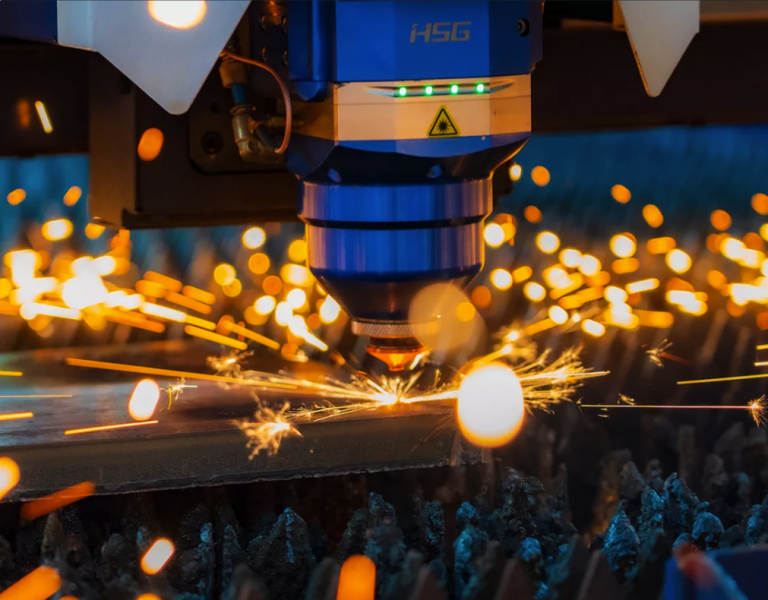
Precision is a non-negotiable in metal fabrication. Gantry fiber laser systems deliver pinpoint accuracy using a rigid, computer-controlled gantry framework. Unlike legacy plasma or oxy-fuel methods, a fiber laser generates an ultra-fine, tightly focused laser beam that slices through metals without excessive heat spread or warping. The real advantage comes from the guided gantry, which acts like a steady hand, preventing mechanical deviations even at high speeds.
For shops handling jobs with fine detail work—such as HVAC components, enclosures, or custom brackets—this increased precision directly translates into less wasted material and fewer errors. Gantry fiber lasers, like those found at Mac-Tech, ensure operators can trust the machine’s repeatability, while supervisors appreciate the reduction in costly remakes and rework. Systems like these often incorporate automatic calibration and edge-detection technology, further reinforcing consistency from part to part.
When technical drawings call for tight tolerances, recommending a gantry fiber laser system ensures that complex geometries and delicate features will be cut cleanly in one pass. This reliability is especially useful for staged or progressive assemblies, where every cut must fit seamlessly with the next for efficient downstream operations.
Increasing Throughput in Metal Fabrication with Automated Motion Control
The metric that matters most for production managers is throughput—how many good parts roll off the line in a shift. Here, automation is the secret weapon of gantry fiber laser systems. Controlled motion technology, integrated directly into the gantry’s CNC, means sheets are processed rapidly and accurately, with minimal manual intervention.
Many systems, including those from Mac-Tech, can be equipped with automated loading and unloading solutions, so one operator can manage multiple cutting machines. This shrinks the bottleneck typically found at the material loading stage and reduces shop floor congestion from forklifts or manual carts. Since fiber lasers slice through metal at impressive speeds, cycle times can drop dramatically compared to more traditional cutting equipment.
With each new job setup, the onboard software can store and recall cut patterns, drastically reducing setup times between jobs or materials. Production managers can confidently schedule high-mix, low-volume orders or dedicated production runs with fewer worries about changeover delays. Machine platforms that handle larger sheet sizes or nested programs mean operators spend less time repositioning stock, resulting in more finished parts per shift and less time handling material mid-process.
Lowering Operational Costs Through Energy Efficiency and Reduced Maintenance
Operational costs don’t just come from labor—they hide in energy bills, consumables, and the downtime every time a machine requests maintenance. Gantry fiber laser systems offer real savings on all these fronts. Fiber lasers, as opposed to traditional CO2 models, are highly energy efficient: they convert most of the electrical energy into cutting power with minimal waste, punching above their weight where electricity is expensive.
Fewer consumables mean fewer supply chain headaches. Fiber lasers do not require mirrors or replacement lamps, and their solid-state construction results in longer operational life for the core components. Day-to-day maintenance typically boils down to quick nozzle checks and occasional lens cleaning, not full tear-downs or long stoppages.
From a sales and procurement angle, recommending a gantry fiber laser system is an investment in stability. Fewer breakdowns, paired with lower running costs, boost predictability for the operations side—enabling tighter quoting, firmer delivery promises, and a healthier bottom line. For shop managers planning future expansion, these systems are modular, making it easier to add automation, extra tables, or software as workloads increase.
Expanding Material Compatibility and Sheet Size Capabilities
Versatility in a fabrication shop is golden. Orders vary from stainless kitchen components one day to aluminum panels or thick mild steel plates the next. Gantry fiber laser systems handle all these and more, with minimal adjustments between materials. Their software and controls automatically adapt to different thicknesses and metals, adjusting power and speed for crisp, burr-free edges across the board.
Sheet capacity is another major benefit: systems like Mac-Tech’s gantry fiber lasers support extra-large tables, enabling full 5’x10’ or even bigger sheets to be processed in one go. Fewer cuts, fewer set-ups, and less hands-on material handling save time and reduce injury risk for operators.
For sales teams, this versatility opens new markets and opportunities, from signage to architectural features. For operations leaders, it means equipment investment is futureproofed against changes in customer demand or market shifts. With flexible fixturing and standardized interfaces for offloading, these machines streamline both short-run prototyping and full-scale production with equal ease.
Achieving Consistent Quality with Advanced Software Integration
Cutting-edge productivity depends not just on hardware, but on smart software integration. Today’s gantry fiber laser systems come loaded with advanced nesting programs and real-time diagnostics, ensuring each part meets spec while making the most of every inch of material. These software tools can automatically arrange parts to maximize sheet yield, flagging potential collisions or misalignments before the laser fires.
Shop managers benefit from tracking job progress, uptime statistics, and maintenance alerts on intuitive dashboards. This empowers quicker response to supply chain hiccups and reduces risk of running into urgent maintenance surprises during a big rush. Remote support is possible with many platforms, letting experts troubleshoot or fine-tune settings without an on-site visit.
Sales personnel can tout these digital capabilities as productivity boosters for customers who demand transparency, real-time feedback, or paperless record-keeping for compliance. For day-to-day operations, advanced integration means more consistent quality, less scrap, and a smoother path from CAD file to finished part.
FAQ
What are the biggest benefits of switching to a gantry fiber laser system for a production floor?
Increased speed, higher cutting precision, reduced maintenance, and lower energy consumption are primary benefits.
How does automation improve workflow in metal fabrication shops?
Automation improves cycle times, minimizes human error, and reduces manual material handling.
Does a gantry fiber laser require a lot of operator training?
Most systems are user-friendly with modern controls and offer training support, so staff can quickly learn the ropes.
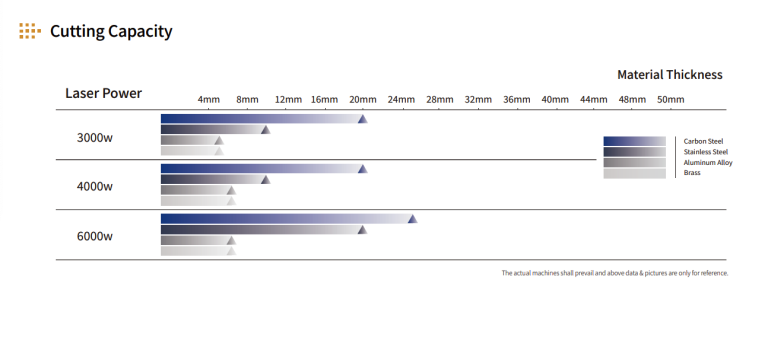
Can these systems cut thick materials as well as thin sheet?
Yes, they support a range of thicknesses and materials, with quick setup changes between jobs.
How do these machines help reduce operational costs?
Reduced energy bills, lower consumable costs, and less downtime mean substantial long-term savings.
What about service and spare parts availability?
Major suppliers like Mac-Tech offer robust support and stock critical parts for quick response.
Outfitting your shop with a gantry fiber laser system is more than just upgrading technology—it’s about positioning your operation for safer, faster, and more profitable production. If you’re investigating ways to modernize your workflow or land new business, reach out to reputable suppliers. Ask for a live demo, discuss your specific jobs, and see how this technology can sharpen your edge in today’s competitive market.
Gantry fiber laser systems have become indispensable in modern metal fabrication operations due to their unparalleled efficiency, precision, and versatility. As the demand for complex projects and tight deadlines increases, these systems help shops stay competitive by minimizing downtime, maximizing material usage, and meeting high tolerance standards. By integrating gantry fiber laser systems, production and operations managers can significantly enhance their output while ensuring top-quality results for their clients.
Maintenance Tips
- Regularly clean the laser lens and mirrors to prevent any obstruction in the laser path.
- Ensure the cooling system is functioning correctly to prevent overheating.
- Check and calibrate the alignment of the laser beam periodically for optimal performance.
- Lubricate moving parts as per the manufacturer’s guidelines to prevent wear and tear.
Typical Cost Range
The cost of gantry fiber laser systems can vary significantly depending on the machine’s size, power, and capabilities, typically ranging from $100,000 to $500,000.
Performance Specs
- Cutting Speed: Up to 120 m/min depending on material and thickness.
- Power Output: Ranges from 1 kW to 15 kW.
- Precision: Accuracy within ±0.1 mm.
- Material Compatibility: Capable of cutting various metals including stainless steel, aluminum, brass, and copper.
Buying Advice
When purchasing a gantry fiber laser system, consider the specific needs of your shop, including the types of materials you frequently work with and the complexity of the projects. Evaluate the machine’s power and speed relative to your production demands, and ensure that it fits within your budget. Additionally, selecting a reputable manufacturer with a strong support network is crucial for maintenance and troubleshooting.
FAQs
What materials can gantry fiber laser systems cut?
Gantry fiber laser systems can cut a wide range of metals, including stainless steel, aluminum, brass, and copper.
How does a gantry fiber laser system improve efficiency?
It increases efficiency by reducing downtime, optimizing material usage, and providing high precision, thereby reducing waste and rework.
Are gantry fiber laser systems easy to operate?
Yes, most systems come with user-friendly interfaces, and operators can receive training to maximize their efficiency and effectiveness.
What safety precautions are necessary when operating these systems?
Operators should wear appropriate safety gear, follow standard operating procedures, and ensure that all safety features of the machine are functional.
How does the power of a laser system affect its cutting capabilities?
The power determines the thickness and speed at which materials can be cut. Higher power allows for thicker and faster cuts.
Can these systems be integrated with existing equipment?
Yes, gantry fiber laser systems can often be integrated with existing CAD/CAM software and other machinery for streamlined operations.
Benefits of Gantry Fiber Laser Systems for Metal Fabrication Operations