Optimal Power: Why 6000W Tube Lasers Are Ideal for Mid-Sized Structural Metal Fabrication
Every successful structural fabrication shop knows that attention to detail, solid work ethic, and a willingness to adapt are what keep jobs moving and customers satisfied. The right equipment can turn a day’s worth of challenges into a streamlined set of reliable steps, especially in mid-sized operations where high mix, moderate volume is the norm. That’s where the 6000W tube laser earns its keep: practical, tough, and smartly matched to real-world production needs. Let’s explore how investing in this particular power class can sharpen your edge where it counts most.
Understanding the Role of Tube Lasers in Structural Metal Fabrication
Tube lasers have become indispensable in modern fabrication shops. They handle the complexities of cutting, coping, notching, and even marking tubes, pipes, angles, and other hollow sections. Unlike manual or more basic CNC saws, tube laser machines produce precise cuts reliably for mild steel, stainless, and aluminum profiles, leaving assemblies easier to manage with tight-fit joints and less touch-up.
Sales-wise, shops can promise higher-quality builds to customers needing staircases, frames, trusses, and skids. By adopting tube laser technology, production managers reduce wasted time typically spent handling parts, measuring, and grinding—steps that slow down orders and drain profits.
A wise machine investment in this segment might be the Bodor T-Series, Mazak FG-220, or BLM Group LT Fiber 6kW models. All give production-centric features like automatic loading and unloading, programmable nesting, and the flexibility for a range of part sizes—crucial for mid-sized fabrication jobs.
Key Power Considerations for Mid-Sized Fabricators
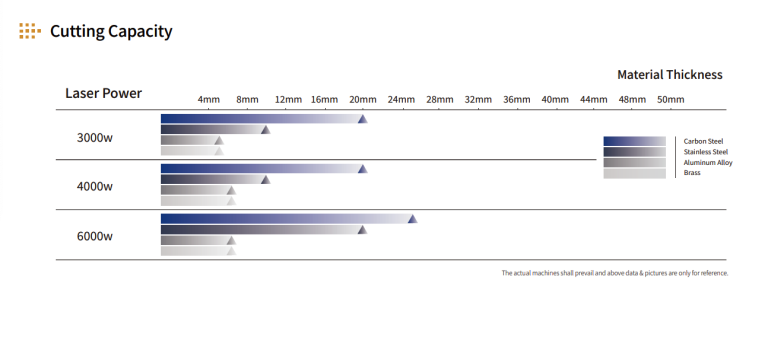
Power is a key factor in laser processing: too little wattage, and thick materials require slow feed rates or multiple passes; too much, and you risk overpaying for power you rarely use and more expensive maintenance. Most mid-sized jobs fall into a sweet spot of cutting mild steel up to half an inch, sometimes pushing to five-eighths or three-quarter thickness.
6000W machines hit that balance perfectly. At this power, you get smooth single-pass cutting without sacrificing edge quality or part tolerance. This consistency cuts down on follow-up grinding and fitting—boosting both throughput and finished quality.
For the operational manager, this means quoting more accurately, promising tighter deadlines, and keeping overtime under control. Common machines like the Trumpf TruLaser Tube 7000 6kW or Han’s Laser T-Series 6000W bring these benefits together, offering high reliability with just the right mix of speed and efficiency.
Advantages of 6000W Tube Lasers for Precision Cutting
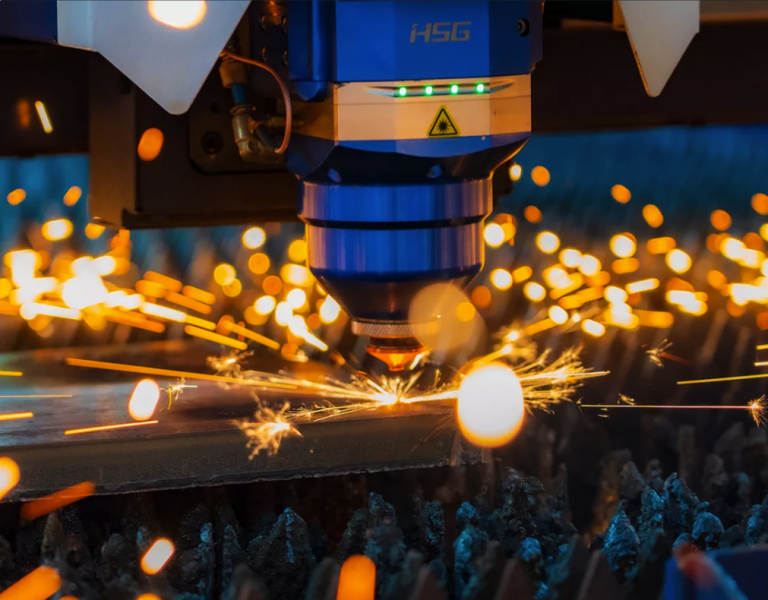
The biggest advantage of a 6000W laser is the repeatable quality of difficult cuts. Miters, saddle joints, intricate slots, and holes all come out cleaner and burr-free compared to lower wattage machines. High power means fast pierce times through thicker walls, reducing production bottlenecks.
Sales teams can confidently tell customers that parts will fit the first time, reducing delays downstream in assembly and welding. Machines such as the BLM LT8.20 or the Mazak FG-220 offer real-time cutting head adjustments, collision protection, and advanced cooling, ensuring longevity and reliability in the shop’s day-to-day routine.
On the technical side, a 6000W setup is often available with automatic seam detection, part measurement, and real-time monitoring: features that reduce human error and let operators focus on value-added tasks, not babysitting the laser.
Enhancing Workflow Efficiency with Advanced Laser Technology
Upscaling to a 6000W tube laser frees up bottlenecks throughout the workflow. Auto-load and unload arms keep operators out of harm’s way and speed up progressive assembly since tube racks can be filled in bulk and left to run. Meanwhile, software-linked programming allows parts to be cut, etched, and marked for downstream assembly in a single setup.
Choosing a model compatible with shop-wide ERP systems (such as the Bystronic ByTube Star 6kW or Bodor’s Pro machines) means cut lists can be programmed remotely, status monitored in real time, and production schedules modified on the fly. Less material handling equals less labor spent on moving, sorting, and inspecting—keeping your team focused on adding real value.
Many new-generation tube lasers offer automatic nozzle changers and intelligent gas controls, maximizing uptime and keeping consumables costs in check. This translates directly into faster job turnover and more predictable deadlines for your customers.
Maximizing Material Versatility and Cost Savings
A laser in the 6000W class is engineered with material versatility in mind. Whether cutting thin-walled stainless, thick mild steel, or aluminum, these machines adapt easily—switching gases and programs at the touch of a button. This versatility saves both time and money. Instead of multiple secondary processes or hand-fitting, a single tube laser can service the bulk of your profile cutting demands.
For the operations manager, this means fewer specialty saws or manual coping tools on the shop floor. Higher yield per stick, tighter nesting, and optimized cut paths reduce scrap generation and purchase orders for excess material. Brands like Han’s Laser and BLM Group focus on dynamic nesting algorithms that squeeze savings out of every tube length.
Upfront, a 6000W tube laser may cost more, but current market data shows most shops see ROI within 18-24 months because of faster turnaround, materials savings, and reduced handling. It’s a solution that pays for itself and continues to improve margins as job volume grows.
Navigating Integration and Maintenance for Long-Term Success
Integrating a 6000W tube laser into existing workflows is more straightforward than most managers expect. Modern units have plug-and-play interfaces, built-in self-diagnostics, and remote monitoring. Many suppliers offer on-site setup and training so your team hits the ground running.
When it comes to maintenance, fiber-based 6000W machines are designed for easier operator service. Daily and weekly tasks mostly involve lens checks, filter replacement, and software updates, which can be scheduled around regular shop downtime. Spare parts and technical support are widely available from leading brands, often with remote troubleshooting and overnight delivery for critical items.
For the long run, machine health monitoring and predictive maintenance modules keep you aware of any performance issues before they cause downtime. Many shops schedule service contracts and operator cross-training as part of their standard rollout to maximize the equipment’s lifespan and productivity.
FAQ
How does a 6000W tube laser improve cut quality and fit-up?
The high power ensures clean, burr-free cuts even on thicker walls, reducing manual rework and guaranteeing that parts fit together tightly the first time.
Is a 6000W tube laser energy efficient for typical workloads?
Yes, at this power range, machines are optimized for efficiency, balancing speed and energy use to suit most mid-sized shop tasks without overspending on electricity.
Can my team handle programming and running this equipment?
Most modern tube lasers come with intuitive operator interfaces, auto setup, and extensive training support so existing staff can be brought up to speed quickly.
What about materials other than mild steel?
A 6000W laser can efficiently process stainless steel, aluminum, and some specialty alloys, letting you bid confidently on a wide range of projects.
Is maintenance complicated or expensive?
Routine maintenance is straightforward, and most top brands offer service/support packages that keep costs predictable.
How fast can I expect ROI with a 6000W laser?
Depending on job volume, most shops see full payback within 18 to 24 months thanks to increased productivity and reduced labor/material waste.
Thinking about upgrading your shop’s cutting capabilities? Whether you’re quoting complex handrails or structural mezzanines, a 6000W tube laser can put you ahead of the curve. Faster throughput, better quality, and fewer headaches mean happier customers and a stronger bottom line. For more details or a machine demo, reach out to trusted vendors or book a visit to a nearby showroom. The right equipment isn’t just an investment—it’s a pathway to smarter, more dependable operations for years to come.
Optimal Power: Why 6000W Tube Lasers Are Ideal for Mid-Sized Structural Metal Fabrication