What New OSHA Machine Guarding Enforcement Means for Press Brake Operations in Coil-Fed Shops
Why machine guarding enforcement matters in coil-fed roofing and HVAC shops
In the last several years, I have seen OSHA inspections in Midwest roofing, architectural sheet metal, and HVAC shops focus heavily on one area: point-of-operation hazards on forming equipment. That includes press brakes embedded in coil-fed lines.
This is not about a brand-new rule. It is about enforcement emphasis under existing standards. OSHA continues to reinforce its machine guarding requirements and amputation prevention focus across fabrication environments. If you are running slitters, cut-to-length lines, roll formers, and a press brake cell in the same workflow, you are squarely in that category.
For me, the conversation with customers is simple. Guarding is not just a compliance issue. It is uptime protection and labor stability.
Regulatory baseline under 29 CFR 1910.212
The foundation is 29 CFR 1910.212, the general machine guarding standard. OSHA states that machines must be guarded to protect operators and other employees from hazards such as those created by point of operation, ingoing nip points, rotating parts, and flying chips and sparks. The OSHA Machine Guarding Overview reinforces that the point of operation is where work is actually performed on the material and where exposure to injury is most likely.
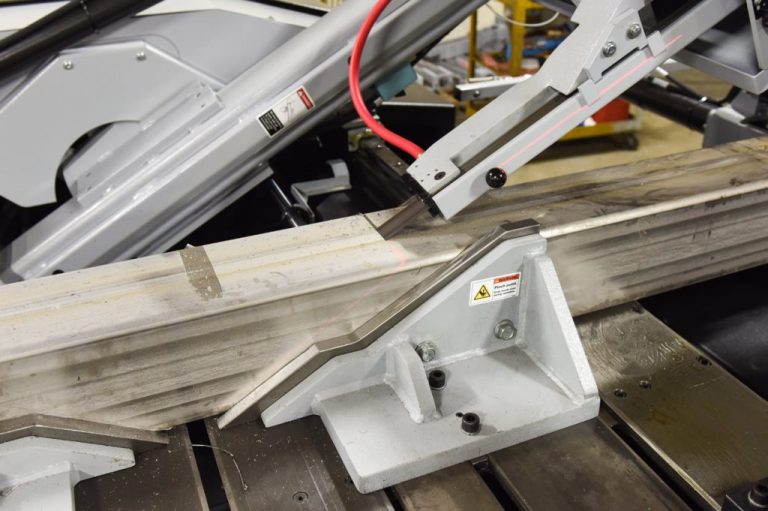
On a press brake, that point of operation is the pinch and crush zone between punch and die. In a coil-fed environment, that exposure is often compounded by material handling, helpers supporting long panels, and frequent setup changes.
From a practical standpoint, inspectors typically expect to see:
- Physical guarding or presence-sensing devices that protect the point of operation
- Controls that prevent unintended cycling
- Clear procedures and documented training for operators and setup personnel
- Lockout tagout discipline during maintenance and die changes
The regulation does not prescribe one specific technology. It requires that the hazard be effectively controlled.
Amputation emphasis and why press brakes remain high risk
OSHA continues to highlight amputation hazards in manufacturing through its Amputation Prevention emphasis materials. Press brakes, mechanical power presses, and similar equipment are consistently identified as equipment categories where point-of-operation injuries occur.
In coil-fed shops, the risk profile increases for a few reasons:
- Long panels require multiple hands near the die area
- High mix, short run work drives frequent die changes
- Manual alignment at the backgauge leads to repeated reach-in exposure
- Production pressure encourages shortcut behavior if controls are not intuitive
When I evaluate a brake cell after an incident or near miss, the root cause is rarely just operator error. It is usually a gap between the standard, the hardware, and the way the line actually runs.
Compounded risk in coil-fed lines
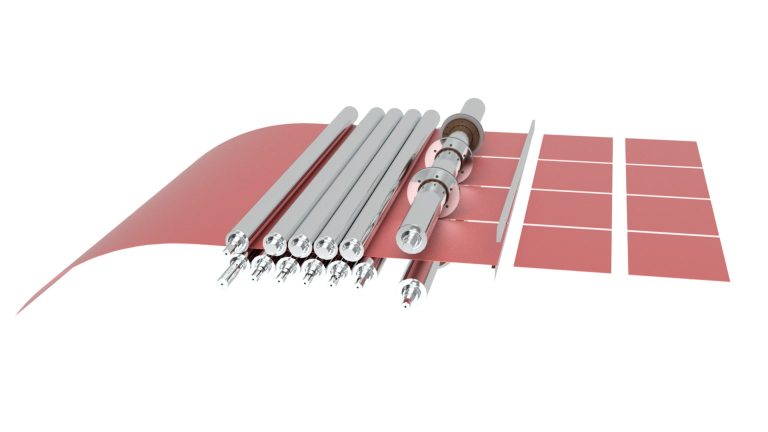
A standalone press brake is one thing. A brake integrated downstream of a slitter, cut-to-length system, or roll former is another.
You are now dealing with:
- Multiple energy sources including hydraulic, electrical, and sometimes pneumatic systems
- Shared material flow zones where forklifts, carts, and overhead cranes intersect
- Panel staging areas that can crowd the operator station
- Interlocked equipment where one machine’s stop condition should influence another
Under OSHA machine guarding principles, each hazard must be evaluated in context. That means your risk assessment cannot stop at the brake frame. It needs to account for how panels enter, how they are supported, and how they exit the cell.
Guarding technologies and safe motion on modern Erbend systems
When we look at Erbend press brake configurations, whether hydraulic press brakes or servo-driven folding systems, the conversation starts with how the machine supports risk reduction through design and controls.
Erbend systems are available with integrated guarding and control architectures that can support compliance when properly specified and implemented. Typical elements include:
- Light curtains or laser-based presence sensing at the point of operation
- Interlocked side and rear guarding to control access to hazard zones
- Two-hand or guarded foot controls with defined operating modes
- Programmable control systems that manage approach speed and safe zones
In a folding system configuration, the part is often supported differently than on a traditional brake, which can reduce reach-in exposure for certain panel profiles. In a conventional hydraulic press brake, pairing presence-sensing devices with clear mode selection between setup and production is critical.
Erbend equipment does not automatically make a shop compliant. What it does is give you a platform where guarding, control logic, and safe motion can be engineered into the process rather than bolted on after an incident.
Lockout tagout in brake cells
Machine guarding and lockout tagout are closely linked. During die changes, troubleshooting, or maintenance, employees are exposed to hazardous energy. OSHA guidance under general machine guarding and broader control of hazardous energy expectations makes it clear that unexpected startup must be prevented.
In coil-fed brake cells, I focus on:
- Documented LOTO procedures specific to each machine
- Clear identification of energy isolation points
- Training refreshers whenever controls or guarding are modified
- Coordination between upstream and downstream equipment so stored or transferred energy is addressed
Too often, shops treat die change as a routine adjustment rather than a hazardous task. From an enforcement perspective, that is where exposure exists.
Retrofit strategy for older hydraulic brakes
Many roofing and HVAC shops in Indiana and across the United States are running older hydraulic brakes that were installed before current presence-sensing expectations became common.
I rarely recommend a full replacement as the first move. Instead, I outline a staged upgrade plan:
Step 1 Risk assessment
Evaluate point-of-operation exposure, access paths, and operating modes. Document actual workflow, not just intended use.
Step 2 Guarding upgrades
Add or modernize light curtains or laser guarding, rear fencing, and interlocks. Confirm controls support safe speed transitions and clear mode selection.
Step 3 Control review
Assess whether the CNC or control platform supports programmable safety zones and consistent setup procedures.
Step 4 Training and documentation
Update written procedures, LOTO instructions, and operator training records.
Fabricating and Metalworking has covered how U.S. shops are increasingly combining physical guarding with intelligent controls to reduce exposure without sacrificing productivity. That aligns with what I see in the field.
Compliance as uptime protection and ROI
When we talk ROI with owners and operations managers, I frame guarding and safety upgrades in operational terms.
- Reduced injury risk lowers the chance of unplanned shutdowns and investigations
- Stable procedures reduce variation between shifts
- Clear operating modes support faster, safer setup
- Inspection readiness minimizes disruption during an OSHA visit
In coil-fed environments where margins are tight and lead times are compressed, a serious injury or extended inspection can disrupt production far more than a planned guarding upgrade.
My advice to roofing, architectural, and HVAC teams is straightforward. Start with the standard under 29 CFR 1910.212. Map it to your real brake cell conditions. Use modern Erbend configurations or staged retrofits to close the gaps. Then document and train so the system holds under pressure.
That is how you build a brake cell that is inspection ready, ergonomically sound, and capable of delivering predictable throughput across shifts.