Unlock Efficiency: Top 5 Uses for Hydraulic Press Brakes
In the ever-evolving world of manufacturing, efficiency and precision are paramount. Hydraulic press brakes have emerged as indispensable tools, offering unparalleled performance in metal fabrication. Their ability to bend and shape metal with accuracy and consistency has revolutionized production processes across various industries. This article delves into the transformative power of hydraulic press brakes, exploring their top uses and how they can unlock new levels of efficiency in manufacturing.
Discover the Power of Hydraulic Press Brakes
Hydraulic press brakes are a cornerstone of modern manufacturing, known for their ability to apply significant force with precision and control. These machines utilize hydraulic fluid to exert pressure, allowing for smooth and accurate bending of metal sheets. The power of hydraulic press brakes lies in their versatility and capability to handle a wide range of materials and thicknesses, from delicate aluminum to robust steel. This adaptability makes them an essential tool for manufacturers seeking to enhance their production capabilities.
Beyond their raw power, hydraulic press brakes are celebrated for their precision. Advanced CNC technology enables operators to program intricate bending sequences, ensuring consistent results with minimal human error. This precision is crucial in industries where even the slightest deviation can lead to costly mistakes. By investing in hydraulic press brakes, manufacturers can achieve a higher level of accuracy, reducing waste and optimizing resource utilization.
Maximize Output with Precision Engineering
Precision engineering is at the heart of maximizing output in manufacturing, and hydraulic press brakes are designed to meet this demand. These machines offer unparalleled control over the bending process, allowing for exact angles and dimensions to be achieved consistently. This level of precision ensures that each component produced meets the required specifications, reducing the need for costly rework and enhancing overall productivity.
Moreover, hydraulic press brakes are equipped with sophisticated feedback systems that monitor and adjust the bending process in real-time. This capability allows for immediate corrections, ensuring that each bend is executed flawlessly. As a result, manufacturers can produce high volumes of components without sacrificing quality, ultimately leading to increased throughput and profitability.
Streamline Production with Versatile Tools
In today’s competitive manufacturing landscape, versatility is a key factor in streamlining production processes. Hydraulic press brakes excel in this area, offering a wide range of tooling options that can be quickly and easily changed to accommodate different projects. This flexibility allows manufacturers to switch between tasks without significant downtime, maintaining a steady flow of production and meeting tight deadlines.
Additionally, hydraulic press brakes can be integrated with other automated systems, further enhancing their versatility. By incorporating robotics and material handling equipment, manufacturers can create seamless production lines that minimize manual intervention. This integration not only speeds up the manufacturing process but also reduces the risk of human error, resulting in a more efficient and reliable operation.
Enhance Fabrication: Top 5 Hydraulic Uses
-
Sheet Metal Bending: Hydraulic press brakes are widely used for bending sheet metal into precise shapes and angles, making them indispensable in industries such as automotive and aerospace. Their ability to handle various metals and thicknesses ensures that manufacturers can meet diverse fabrication needs with ease.
-
Custom Part Production: For manufacturers requiring custom parts, hydraulic press brakes offer the flexibility to create unique components quickly and accurately. This capability is particularly valuable in industries where bespoke solutions are necessary to meet specific client requirements.
-
Prototype Development: In the realm of product development, hydraulic press brakes play a crucial role in prototyping. Their precision and adaptability allow engineers to test and refine designs efficiently, leading to faster innovation cycles and reduced time-to-market.
-
Mass Production: Hydraulic press brakes are ideal for mass production, providing consistent results across large volumes of components. This reliability ensures that manufacturers can meet high demand without compromising on quality or efficiency.
-
Complex Forming: For projects requiring complex forms and shapes, hydraulic press brakes offer the control and precision needed to achieve intricate designs. This capability opens up new possibilities in architectural and artistic applications, where creativity meets engineering.
Boost Productivity with Reliable Performance
Reliability is a cornerstone of productivity, and hydraulic press brakes deliver consistent performance that manufacturers can depend on. Built with robust components and advanced technology, these machines are designed to withstand the rigors of continuous operation. Their durability ensures minimal downtime, allowing manufacturers to maintain a steady pace of production without interruptions.
Furthermore, regular maintenance and calibration of hydraulic press brakes can enhance their longevity and performance. By investing in routine upkeep, manufacturers can prevent unexpected breakdowns and extend the lifespan of their equipment. This proactive approach not only safeguards productivity but also maximizes the return on investment, making hydraulic press brakes a wise choice for any manufacturing operation.
Unlock Efficiency in Every Manufacturing Step
Efficiency is the ultimate goal in manufacturing, and hydraulic press brakes are key to unlocking it at every stage of production. From initial setup to final output, these machines streamline processes and reduce waste, ensuring that resources are utilized effectively. By minimizing material wastage and optimizing workflow, manufacturers can achieve higher levels of efficiency, ultimately leading to cost savings and increased profitability.
Moreover, the integration of hydraulic press brakes with digital technologies further enhances their efficiency. By leveraging data analytics and machine learning, manufacturers can gain insights into their operations, identifying areas for improvement and optimizing performance. This data-driven approach empowers manufacturers to make informed decisions, driving continuous improvement and maintaining a competitive edge in the market.
In conclusion, hydraulic press brakes are transformative tools that offer unmatched power, precision, and versatility. By incorporating these machines into their operations, manufacturers can unlock new levels of efficiency, enhancing productivity and profitability. Whether it’s for custom part production, mass manufacturing, or complex forming, hydraulic press brakes provide the reliability and performance needed to succeed in today’s demanding industrial landscape. Embrace the future of manufacturing with hydraulic press brakes and experience the benefits of streamlined production and optimized resource utilization.
Hydraulic press brakes are essential in the metal fabrication industry, renowned for their ability to efficiently bend and shape metal with high precision and consistency. These machines have transformed manufacturing processes by offering unparalleled control and force application, making them vital for achieving production efficiency and accuracy. The article explores the top uses of hydraulic press brakes and highlights how they enhance manufacturing operations across various sectors.
Maintenance Tips
- Regularly check and maintain hydraulic fluid levels to ensure optimal performance.
- Inspect the machine for any signs of wear and tear on a routine basis.
- Lubricate moving parts to prevent friction and overheating.
- Calibrate the machine periodically to maintain bending precision.
- Keep the work area clean to avoid contamination and potential damage.
Typical Cost Ranges
The cost of hydraulic press brakes can vary significantly based on size, capacity, and features. Smaller models may start at around $20,000, while larger, more advanced machines can exceed $100,000.
Performance Specs
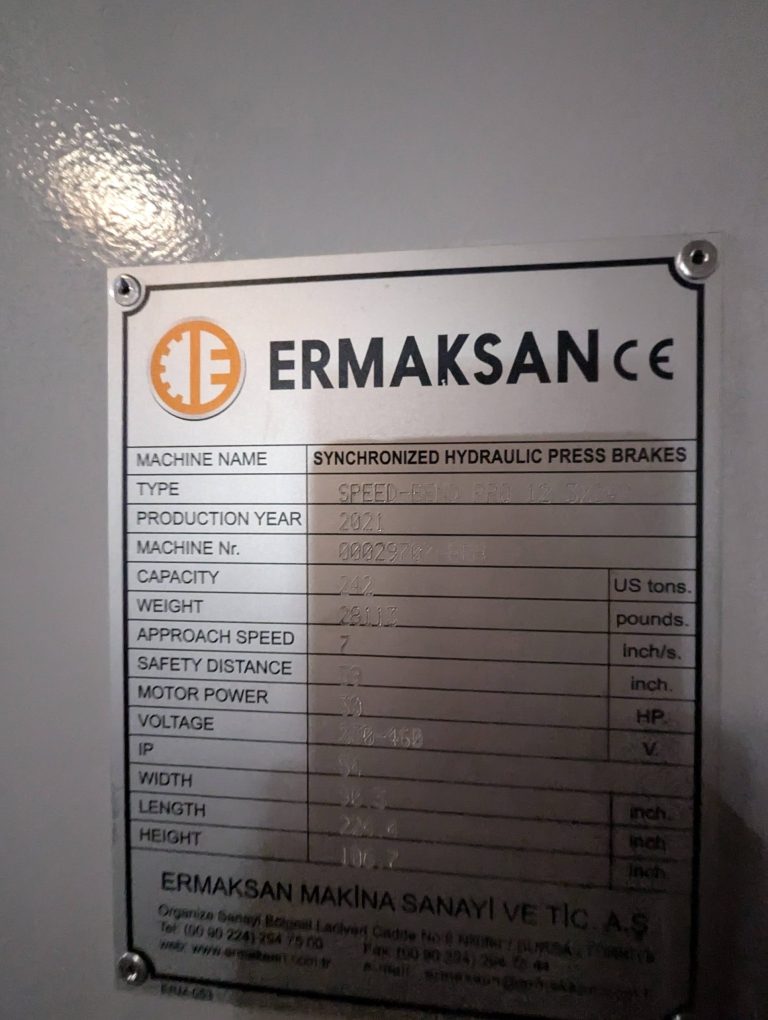
- Pressure capacity: Varies from 20 tons to 1000 tons.
- Bending length: Typically ranges between 4 feet to 20 feet.
- Accuracy: High precision with a tolerance of +/- 0.01 inches.
- Control systems: Available with manual, NC (numerical control), or CNC (computer numerical control) options.
Buying Advice
When purchasing a hydraulic press brake, consider the specific needs of your production process, including material type, thickness, and required bending length. Evaluate the available control systems, as CNC models offer greater flexibility and automation. It’s also important to assess vendor support and warranty options to ensure long-term machine reliability.
FAQs
What are the main advantages of hydraulic press brakes?
Hydraulic press brakes offer high precision, control, and force application, making them ideal for bending and shaping metal efficiently.
How often should I perform maintenance on a hydraulic press brake?
Maintenance frequency can vary, but generally, it’s advisable to perform basic checks weekly and a more thorough inspection every few months.
Can hydraulic press brakes handle different types of metals?
Yes, they are versatile and can handle a variety of metals, including steel, aluminum, copper, and more, depending on their configuration.
What safety precautions should be taken when operating a hydraulic press brake?
Operators should always wear appropriate safety gear, follow operational guidelines, and ensure all safety guards are in place.
Is it possible to upgrade an existing hydraulic press brake to CNC?
While some models allow for upgrades, it depends on the specific machine and manufacturer. Consult with the vendor for upgrade options.
How does a hydraulic press brake differ from a mechanical press brake?
Hydraulic press brakes use hydraulic fluid to generate force, offering smoother operation and greater control, whereas mechanical press brakes rely on flywheel energy.
Unlock Efficiency: Top 5 Uses for Hydraulic Press Brakes