Selecting the Right Press Brake: Comparing Electric, Hybrid, and Hydraulic Models for Metal Fabrication Productivity
Delivering quality parts on time and within budget is what sets leading fabricators apart from the competition. That means getting the right machines on your floor for current jobs—and for future growth. Press brakes are among your facility’s most crucial assets, but with so many options available, choosing the right type can seem overwhelming. Bringing together consistently reliable equipment, optimized processes, and the right technology is the hallmark of great shop management. Let’s clarify what you need to know about hydraulic, electric, and hybrid press brake models so you can match your next machine to your production goals, uphold your team’s work ethic, and address real-world challenges in metal fabrication.
Understanding Press Brake Fundamentals in Metal Fabrication
A press brake is the backbone of metal forming in modern fabrication shops. Its job is straightforward: it bends sheet or plate metal into precise shapes, creating parts like enclosures, brackets, panels, and more. Today’s press brakes blend time-tested mechanics with advanced control systems. Your production efficiency depends on repeatable bends, quick setups, and minimal rework, all of which connect directly to your press brake choice.
Key technical points include force capacity (measured in tons), the length of the bending bed, and the type of backgauge—the component responsible for positioning material precisely. Sales-wise, it’s important to select a machine that fits your current throughput, part sizes, and material types. For example, a 10-foot, 135-ton brake is versatile for most small-to-medium shops, while a larger, 300-ton model might be needed in heavy industry.
Pay attention to operator ergonomics and material flow. A press brake should integrate smoothly into your assembly line, ideally paired with automation or conveyor systems for less lifting and reduced handling time. Modern machines with programmable controls can drastically cut setup and cycle times, streamlining everything from prototyping to high-volume production runs.
Key Features of Hydraulic Press Brakes for Heavy-Duty Applications
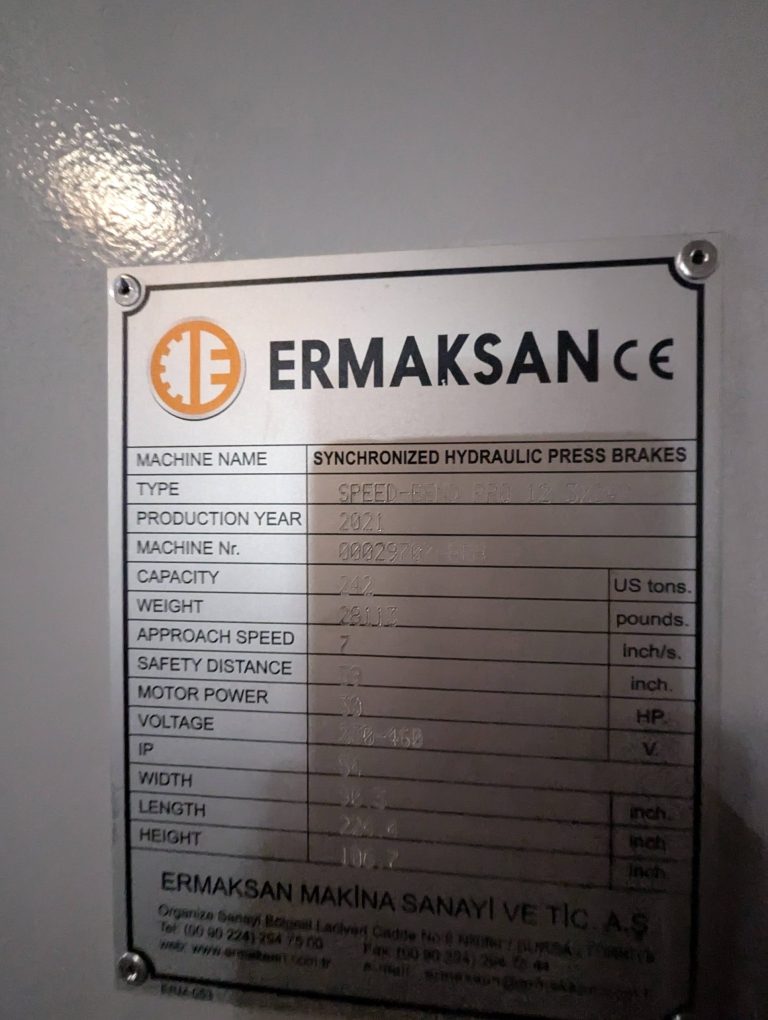
Hydraulic press brakes are the traditional heavy-lifters of metal fabrication. They use hydraulic fluid and pistons to deliver high force, making them ideal for thick materials and long bending operations. If your work involves frequent jobs with heavy steel or large part runs, hydraulic models provide the stamina and flexibility needed day in and day out.
Technically, hydraulic brakes offer higher tonnage and a forgiving margin for challenging materials. These machines are easy to service, and many can handle multi-shift operations with little downtime. Hydraulic press brakes such as the Accurpress Edge Series or Amada HFB are reliable choices for busy shops, offering strong value in high-demand environments.
From a logistics perspective, hydraulic brakes can be bulkier and need routine maintenance on filters, seals, and hydraulic fluid. Yet their ability to power through tough jobs means they’re a budget-friendly solution for robust, industrial applications. If consistent long runs and processing thick plate are your requirements, hydraulic is your answer.
Sales-wise, point out their rugged design, longevity, and proven reliability—these are workhorses that will keep going as long as you take care of them. They are especially effective in shops where heavy-gauge material and traditional job shop workflow rule the day.
Advantages of Electric Press Brakes for Precision and Energy Efficiency
Electric press brakes are changing the game for precision sheet metal work. These machines rely on electric servo motors instead of hydraulic systems, delivering fast, quiet, and ultra-precise movements. Shops dealing with thinner materials, intricate bends, or high-mix, low-volume production will benefit from an electric press brake’s accuracy and repeatability.
From a technical lens, electric brakes like the Amada EG Series or SafanDarley E-Brake feature advanced CNC controls, enabling quick file changes, accurate angle settings, and minimal operator intervention. They often reduce cycle times, power consumption, and material waste. Their ability to integrate with offline programming and robotic arms makes them a perfect fit for forward-thinking shops.
For operations, electric brakes are lighter, maintenance is less frequent, and they generate less heat—no hydraulic oil required. They’re ideal if your workflow demands flexibility, short runs, or plenty of changeovers. However, while initial price points can be higher, energy savings and reduced consumables deliver strong ROI over time.
Sales-wise, present electric brakes as the answer for fine-featured, high-tolerance parts, and environmentally-minded facilities. They are a smart buy for shops looking to modernize assembly lines, shorten material handling cycles, and support digital manufacturing practices.
Hybrid Press Brakes: Bridging the Gap Between Power and Performance
Hybrid press brakes merge the best qualities of hydraulics and electrics by combining hydraulic power with electric servo control. The result is a machine that offers high tonnage like a hydraulic brake, with the speed, accuracy, and efficiency of electric drives. If your production needs flexibility without compromising on strength, a hybrid might be your best option.
Machines such as the Bystronic Xpert Hybrid or LVD Strippit SynchroForm capitalize on this blend: variable-speed control for precision, with ample force for medium-to-thick materials. Hybrids reduce energy use by running pumps only as needed and offer quieter operation compared to fully hydraulic models.
For logistics and workflow, hybrids simplify progressive assembly since they can handle a wide range of materials and part sizes with reduced setup times. Greater control means fewer adjustments, less scrap, and smoother automation integration. They fill the sweet spot for shops transitioning to leaner, more adaptive processes.
From a sales standpoint, highlight hybrids as the all-rounder: ideal where you need high part variety, mixed material thicknesses, and mid-to-high production rates. They offer a path to progressive assembly with less manual handling, aligning with future expansion and automation initiatives.
Productivity Considerations When Choosing the Right Press Brake Model
Selecting a press brake shouldn’t be just about force or bed length—think about total productivity. Consider part complexity, the frequency of tooling changes, operator skill level, shop layout, and end-to-end logistics. A machine that speeds up setup, minimizes rework, and reduces handling translates directly into faster turnarounds and higher margins.
Electric models tend to excel in environments with high-mix, low-volume work, where setup time and precision matter most. Hydraulics shine in long runs and heavy-gauge projects, with proven durability. Hybrids fit shops looking to upgrade capabilities without fully committing to electric, or needing to accommodate a wide range of jobs with consistent uptime.
Recommendations: map your current bottlenecks—tool changes, waiting for materials, or excessive operator intervention—and choose a press brake that solves these problems. For progressive assembly, prioritize brakes with fast backgauge adjustment, integrated safety systems, and compatibility with loading/unloading robots or conveyors. Less material handling means fewer errors, better ergonomics, and safer working conditions.
Selecting the Best Press Brake for Your Metal Fabrication Workflow
Matching the right press brake model to your shop’s workflow is as much about future-proofing as it is about meeting today’s needs. Work closely with reputable machine dealers to arrange demos and trial runs using your own parts and materials. Evaluate ease of programming, real-world bend accuracy, serviceability, and integration options for your assembly line.
Hydraulic brakes are your go-to for demanding, heavy-duty service. Electric brakes offer speed, precision, and lower operational costs. Hybrid presses cover the middle ground, bringing flexibility to dynamic work environments. Your priority should be a machine that matches your current jobs while opening doors for expanded capabilities—whether that means lights-out automation or rapid custom parts.
For less material handling and a progressive assembly process, focus on machines that can be seamlessly loaded with minimal human intervention and can store multiple part programs for quick recall. Automated backgauges, advanced controls, and connectivity to your ERP/MES systems all contribute to assembly line efficiency.
Always factor in after-sales support, spare part availability, and software updates—these are key sales points that assure reliable operation season after season.
FAQ
What’s the main benefit of choosing an electric press brake over a hydraulic model?
Electric brakes offer faster setups, higher precision, and much lower energy consumption, especially for shops focusing on thinner materials and mixed-part production.
Are hybrid press brakes worth the investment for a growing operation?
Yes, hybrids can handle a variety of jobs and materials, combining strength with energy-efficient, precise movements for maximum versatility.
How do press brakes boost throughput in a progressive assembly line?
Modern brakes enable rapid backgauge adjustments, automated material handling, and quick program changes, reducing downtime and manual handling.
What maintenance differences should I expect between electric and hydraulic models?
Electric brakes require less routine maintenance since there’s no hydraulic fluid or pumps, leading to less downtime and reduced consumables.
Are hydraulic press brakes outdated compared to electric and hybrid machines?
No, they remain essential for heavy-duty work with thicker sections and high-force applications, offering proven performance at a competitive price.
How can I ensure my new press brake fits into my logistics and workflow?
Analyze your material flow, assembly steps, and bottlenecks; consult with vendors willing to help tailor machine setup and automation for your shop’s real-world needs.
With the new advances in press brake technology, you have more options than ever to tailor your equipment to your exact needs. Whether you’re running thick plate, chasing tighter tolerances, or prepping your facility for lights-out automation, the right press brake can deliver transformative results in productivity and profitability. Talk to industry experts, tour demo rooms, and involve your operators in the decision. With thorough planning, you’ll get a machine that makes your workflow smoother, your processes faster, and your shop floor more competitive for years to come.
Selecting the Right Press Brake: Comparing Electric, Hybrid, and Hydraulic Models for Metal Fabrication Productivity