Scalable Structural Fabrication Lines for Metal Shops: Strategies for Long-Term ROI
Running a metal fabrication shop today demands not only skill and dedication, but a commitment to efficient processes that ensure your business grows with the times. As an operations or production manager, your hands-on approach, ability to problem-solve, and focus on real results on the shop floor set you apart. When it comes to structural work—beams, columns, and frames—your return on investment (ROI) hinges on keeping up with demand, maintaining quality, and eliminating bottlenecks. Scalable structural fabrication lines are your ticket to sustainable growth. This article is your practical guide to designing, selecting, and improving fabrication processes so every dollar invested returns value for years to come, even as your needs change.
Assessing Shop Requirements and Capacity for Scalable Fabrication
Before purchasing any new machinery or reworking your layout, start by honestly evaluating your current shop’s workload and capacity. Inventory the types of projects you run—are you fabricating standard structural members or handling custom, complex assemblies? Look at your bottlenecks: Are you losing time at cutting, drilling, welding, or assembly? This data informs your next steps.
Take into account available floor space, power requirements, crane coverage, and workforce skill level. For shops running single shifts with room to grow, prioritize equipment that can ramp up with demand. For higher-throughput shops, focus on solutions that minimize material handling and manual intervention. Scaling is not about overspending upfront—it’s about investing in technology and layouts that can expand, such as multi-bay solutions or interconnected, future-ready machines.
Sales-Based Solution: Partnering with machine suppliers who offer on-site workflow evaluations and ROI calculators can pinpoint your best investments. Their sales engineers should provide machine demos and simulations based on your actual workload, not just theoretical specs.
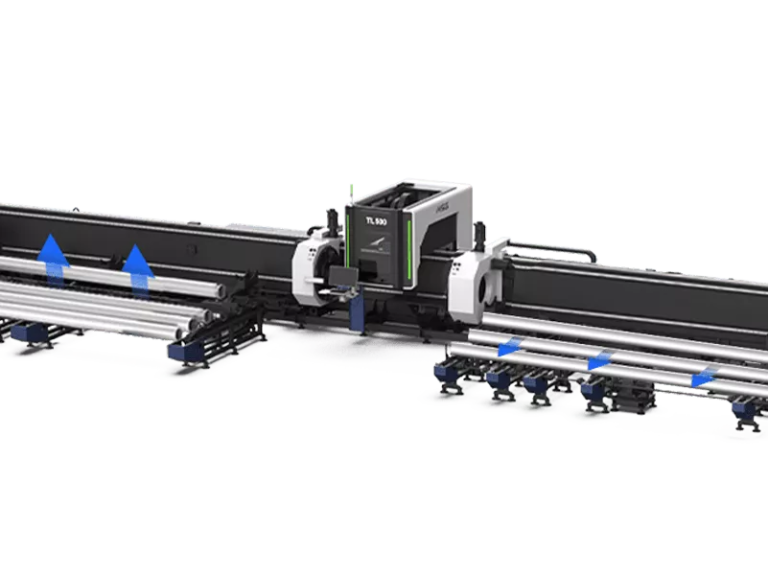
Machine Recommendation: Start by automating material handling—such as powered roller conveyors or semi-automated staging racks. These solutions optimize movement between saws, drills, and welding stations, reducing downtime and physical strain on workers.
Identifying Automation Solutions to Maximize Throughput
Automation is not just for the big guys. Even a single automated drill line, plasma beam coping station, or CNC beam saw can move your production to the next level. The real trick is matching the technology to your most common jobs.
Review your job mix: If you frequently drill or cope large beams, a CNC beam drill with auto tool-changers can save hours per shift. If plasma profiles or slots are required, invest in a robotically controlled coping machine. For repetitive welding, consider robotic cells that handle tack welding or complete joints.
Sales-Based Solution: Discuss “grow-as-you-go” automation packages with equipment vendors. Many now offer machine leasing, phased payment plans, or modular upgrades so you adjust automation as your business grows and cash flow allows.
Machine Recommendation: Look for models featuring quick-change tooling, robust software integration (for processing DSTV or BIM files), and interlocks for safe unattended operation. Progressive line layout means that after cutting, beams move automatically to the next process, minimizing forklifts or manual transfer.
Technical/Logistical Tip: Always plan for future connectivity; ensure machines are Industry 4.0 ready, with network ports and data logging capabilities. This simplifies expansion and troubleshooting.
Integrating Modular Equipment for Flexible Production Lines
Shop flexibility is just as critical as raw output. Modular equipment—the kind that snaps into or out of your line—keeps you agile for both big runs and job-shop work. Examples include bolt-on cross transfer conveyors, stand-alone punching/cutting stations, and portable welding fixtures.
For seasonal or project-based spikes, modularity lets you temporarily add stations or repurpose layouts with minimal downtime. Consider scalable sections within the line: For example, a roller conveyor can be split or reconfigured to accommodate different lengths or component types.
Sales-Based Solution: Buy from vendors whose systems are built around a “lego” approach. This way, you add modules like sorting robots, new cutting heads, or specialized finishing tools as new contracts or job profiles require.
Machine Recommendation: Portable magnetic drill rigs, clamp-on flame cutting guides, or programmable beam rotators can all “plug into” your main line when needed, allowing a custom workflow.
Logistical Knowledge: Modular kit systems typically reduce lead time for upgrades and require less capital than full system replacement. Arrange your floor so expanding or shifting lines needs minimal re-cabling or ductwork.
Implementing Data-Driven Workflow Optimization
Once your machines are humming, true efficiency comes from measuring and adjusting. Modern fabrication lines collect data on throughput, fault codes, scrap rates, and downtime. Use this information proactively.
Simple real-time dashboards or cloud analytics software track production in each cell, alerting you to inefficiencies before they become costly problems. Data-driven shops spot trends—like a poorly performing welder, excessive stops in the saw line, or slow staging in material handling.
Sales-Based Solution: Vendors should bundle cloud-based line management with their equipment. Ask for uptime guarantees and sample reports that let you make staffing or process changes by the numbers, not gut feeling.
Machine Recommendation: Choose machines ready for integration with shop management software, such as MES (Manufacturing Execution Systems), to centralize job tracking and automate material routing.
Technical/Logistical Efficiency: Use tablets or kiosks on the shop floor so lead operators and maintenance teams log issues right at the source, not after the fact.
Measuring Long-Term ROI Through Performance Metrics and Maintenance
Investment in structural fabrication lines only pays off if you track performance and keep equipment running smoothly. Key metrics include output per shift, machine utilization rates, error/rework rates, and actual versus estimated job costs.
Building maintenance routines into your workflow ensures your line doesn’t lose value through preventable downtime. Automated lubrication, remote diagnostics, and scheduled training from your vendor all protect your bottom line.
Sales-Based Solution: Negotiate preventive maintenance contracts as part of your purchase—these often include software updates, remote troubleshooting, and annual assessments that maximize uptime and notice issues before they’re critical.
Machine Recommendation: Consider machines that boast predictive maintenance features, such as bearing and motor sensors that give early warning of failure risk.
Progressive Assembly Process: Whenever possible, design your workflow so finished parts move via gravity or low-energy conveyors from one cell to the next, reducing touches and boosting output without extra labor.
FAQ
What are the biggest benefits to investing in scalable fabrication lines?
You can grow production without replacing everything or causing major downtime—a cost-effective path to higher profits.
How can automation improve my margins?
It reduces labor costs per part, minimizes errors, speeds up throughput, and maximizes use of raw material and operator time.
Are modular systems complicated to maintain or expand?
No, when designed well, modular equipment is easy to connect, reconfigure, and upgrade—ideal for changing business demands.
How do I know what equipment works with my existing shop?
Work with vendors who provide layout consultation and scaling roadmaps tailored to your current workflow and facility limits.
Is the upfront cost justified?
Yes, if ROI is tracked over several years with measurable gains in efficiency, reduced scrap, and minimized handling losses.
What maintenance do automated lines require?
Regular inspections, basic cleaning, lubrication, and periodic updates—preventive care is easier when the right features are installed.
Every fabrication shop is unique, but the challenges—higher throughput, less manual effort, scalable growth—are universal. By assessing your needs, choosing equipment that adapts, and placing data at the core of your workflow, your shop can keep pace no matter how your job profile changes. Collaborate with equipment partners who understand real-world challenges and offer modular solutions you can build on. Small, strategic steps today ensure your shop remains productive, profitable, and ready for whatever project the future brings. Good luck out there—and don’t hesitate to seek consultative support when making key investments.
Scalable Structural Fabrication Lines for Metal Shops: Strategies for Long-Term ROI