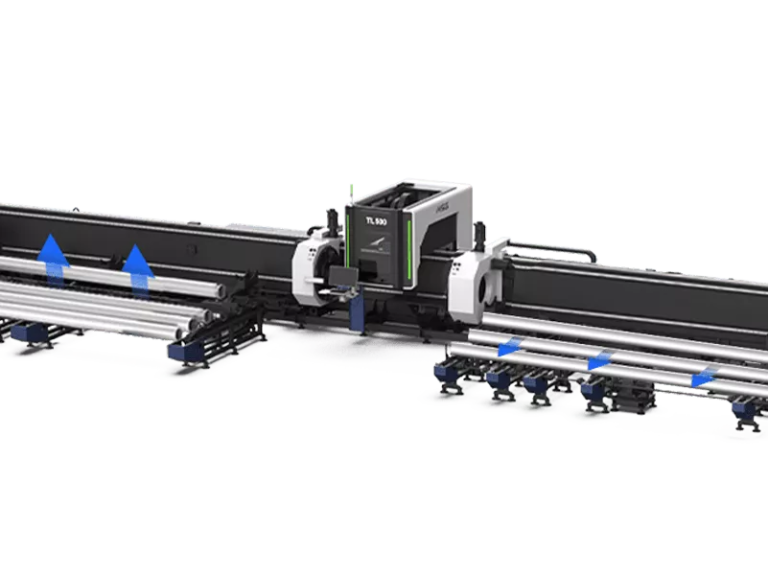
Mastering Plasma Cutter Safety: Expert Tips & Tricks
When it comes to metal fabrication, plasma cutters are indispensable tools that offer precision and efficiency. However, like any powerful equipment, they come with their own set of safety challenges. Whether you’re a seasoned professional or a newcomer to the world of metal fabrication, mastering plasma cutter safety is crucial. This article will guide you through the essentials, from understanding the basics of plasma cutting to expert safety tips that ensure a secure working environment.
Understanding Plasma Cutter Basics
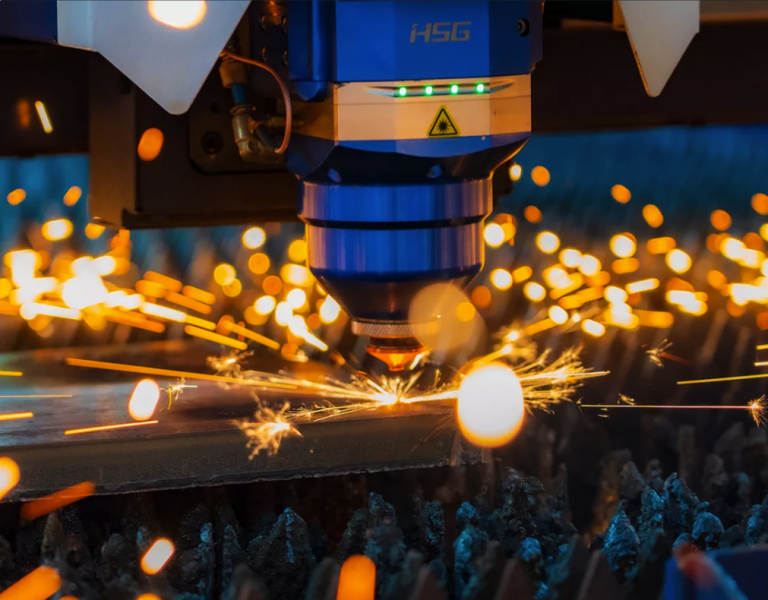
Before diving into safety measures, it’s important to have a solid grasp of what a plasma cutter is and how it operates. Plasma cutters use an accelerated jet of hot plasma to cut through electrically conductive materials. This process involves:
- Ionization: The cutter generates a high-velocity jet of ionized gas, or plasma, which can reach temperatures of up to 30,000 degrees Fahrenheit.
- Conductivity: The plasma arc conducts electricity from the cutter through the workpiece, melting the metal and blowing it away.
- Precision: Plasma cutters are known for their ability to make precise cuts with minimal slag.
Understanding these basics not only enhances your appreciation of the tool but also underscores the importance of handling it with care.
Essential Safety Gear You Must Have
Safety gear is non-negotiable when operating a plasma cutter. Here’s a checklist of must-have safety equipment:
- Protective Clothing: Wear flame-resistant clothing to protect against sparks and hot metal. Avoid synthetic fabrics that can melt onto your skin.
- Eye Protection: Use a welding helmet with the appropriate shade to shield your eyes from the intense light and UV radiation.
- Gloves: Heavy-duty, heat-resistant gloves are essential to protect your hands from burns and cuts.
- Respiratory Protection: Plasma cutting can produce harmful fumes. Use a respirator or ensure adequate ventilation in your workspace.
- Hearing Protection: Plasma cutters can be loud, so ear protection is recommended to prevent hearing damage.
By equipping yourself with the right gear, you significantly reduce the risk of accidents and injuries.
Pro Tips for Safe Plasma Cutting
Even with the right gear, knowing how to safely operate a plasma cutter is key. Here are some expert tips to keep in mind:
- Inspect Equipment Regularly: Before each use, check for any damage or wear on cables, hoses, and connections. Faulty equipment can lead to accidents.
- Maintain a Clean Workspace: Keep your work area free of flammable materials and clutter. A tidy space reduces the risk of fire and tripping hazards.
- Follow Manufacturer Guidelines: Always adhere to the manufacturer’s instructions for setup and operation. This ensures optimal performance and safety.
- Practice Proper Grounding: Ensure your workpiece is properly grounded to prevent electrical shocks.
- Stay Focused: Avoid distractions while cutting. Concentration is crucial to maintaining control over the tool and ensuring precise cuts.
By following these tips, you can enhance both your safety and the quality of your work.
Mastering plasma cutter safety is not just about protecting yourself; it’s about ensuring the longevity and efficiency of your equipment. For more detailed insights and resources on plasma cutter safety, visit Mastering Plasma Cutter Safety: Expert Tips & Tricks. Remember, a safe workspace is a productive workspace, and taking the time to implement these safety measures will pay off in the long run.
Plasma cutters are essential tools in the field of metal fabrication, known for their ability to cut through metal with precision and efficiency. However, due to their powerful nature, they also present significant safety challenges that must be addressed to ensure a safe working environment. This overview provides essential insights into plasma cutter safety, offering expert tips and tricks to both seasoned professionals and newcomers. By understanding the basics of plasma cutting and adhering to safety protocols, users can maximize the tool’s potential while minimizing risks.
Maintenance Tips
- Regularly inspect the torch and cables for wear and damage.
- Clean the nozzle and electrode after each use to prevent buildup.
- Ensure all connections are tight and secure before operation.
- Replace consumables as needed to maintain cutting efficiency.
Typical Cost Ranges
The cost of plasma cutters can vary widely based on power and features:
- Entry-Level Portable Models: $300 – $800
- Semi-Professional Units: $800 – $2,000
- Industrial-Grade Machines: $2,000 – $10,000+
Performance Specs
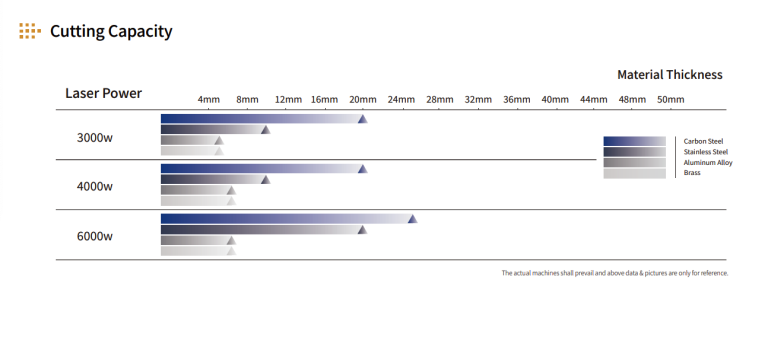
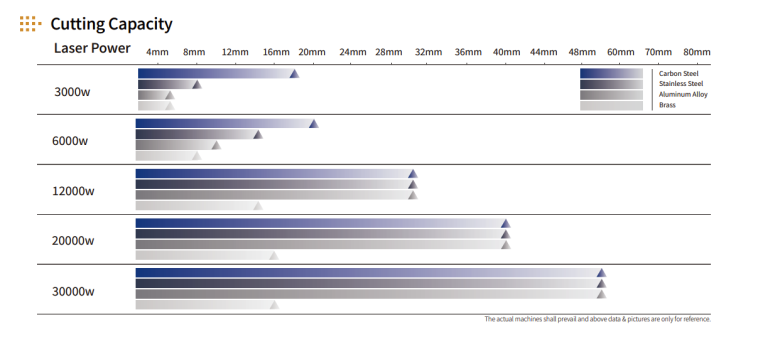
- Cutting Thickness: Ranges from 0.25 inches for smaller models to over 1 inch for industrial units.
- Cutting Speed: Up to 500 inches per minute (IPM) depending on the material and thickness.
- Input Voltage: Commonly 110V or 220V models, with industrial models requiring 480V.
Buying Advice
- Consider the types of materials and thicknesses you’ll be cutting.
- Evaluate the power supply available in your workspace.
- Look for features like pilot arc and CNC compatibility if needed.
- Check for warranty and customer support options.
FAQs
What is a plasma cutter used for?
Plasma cutters are used to cut metal components with precision and speed, ideal for various fabrication and repair tasks.
How does a plasma cutter work?
It works by sending an electric arc through a gas that passes through a constricted opening, creating a high-temperature plasma jet that melts and cuts metal.
Are plasma cutters safe to use?
Yes, when used with proper safety precautions such as wearing protective gear and ensuring proper ventilation.
What materials can a plasma cutter cut through?
Plasma cutters can cut through conductive metals like steel, stainless steel, aluminum, brass, and copper.
Do I need any special training to operate a plasma cutter?
While not always mandatory, training can enhance safety and efficiency, particularly for industrial or complex applications.
Can a plasma cutter cut wood or plastic?
No, plasma cutters are designed for conductive metals and cannot cut non-conductive materials like wood or plastic.
Mastering Plasma Cutter Safety: Expert Tips & Tricks