Maximize Efficiency: Top Brake Press Sales Insights
In the competitive world of metal fabrication, efficiency is the name of the game. For buyers looking to invest in brake presses, understanding how to maximize productivity while maintaining quality is crucial. This article delves into the top brake press sales insights to help you make informed decisions that will elevate your shop’s performance.
Understanding Brake Press Capabilities and Benefits
Brake presses are versatile machines that play a pivotal role in metal fabrication. They are designed to bend sheet metal into various shapes, making them essential for producing parts with precision and consistency. By leveraging the capabilities of a brake press, fabricators can achieve complex bends and angles that would be challenging with manual methods.
One of the primary benefits of using a brake press is its ability to handle a wide range of materials, including steel, aluminum, and stainless steel. This versatility allows shops to take on diverse projects, expanding their service offerings and customer base. Additionally, modern brake presses come with advanced features like CNC controls, which enhance accuracy and repeatability, reducing the likelihood of errors.
Another significant advantage is the reduction in labor costs. With automated brake presses, operators can program the machine to perform multiple bends in a single setup, minimizing the need for manual intervention. This not only speeds up the production process but also frees up skilled workers to focus on other critical tasks.
Moreover, brake presses contribute to improved safety in the workplace. Traditional bending methods often involve significant physical effort and risk of injury. In contrast, brake presses are designed with safety features such as light curtains and emergency stop buttons, ensuring a safer working environment for operators.
Key Features to Look for in a Brake Press
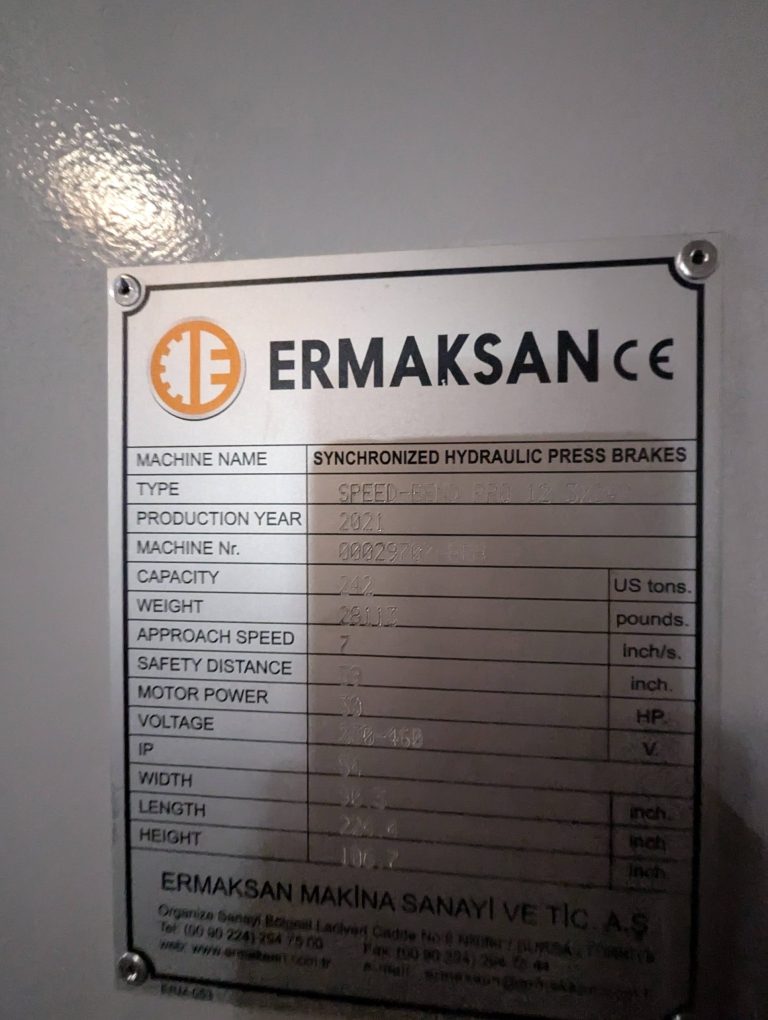
When shopping for a brake press, it’s essential to consider the machine’s tonnage capacity. This refers to the maximum force the press can exert, which determines the thickness and type of materials it can handle. Ensure that the brake press you choose can meet the demands of your typical projects without overloading the machine.
Another critical feature is the bed length, which dictates the maximum width of the material that can be bent. A longer bed length provides greater flexibility, allowing you to work with larger sheets of metal. However, it’s important to balance this with the available space in your shop to avoid overcrowding.
CNC controls are a game-changer in modern brake presses. These computerized systems allow for precise programming of bends, angles, and sequences, significantly enhancing accuracy and efficiency. Look for machines with user-friendly interfaces and robust software that can store multiple programs for quick recall.
Additionally, consider the back gauge system, which positions the material accurately for each bend. A high-quality back gauge ensures consistent results and reduces the need for manual adjustments. Features like multi-axis back gauges offer even greater precision and flexibility, accommodating complex bending operations with ease.
Tips for Choosing the Right Brake Press for Your Shop
Start by assessing your shop’s specific needs and the types of projects you typically handle. Consider factors such as material thickness, bend complexity, and production volume. This will help you determine the appropriate tonnage and bed length required for your brake press.
Next, evaluate the available space in your shop. Brake presses come in various sizes, and it’s crucial to choose one that fits comfortably within your workspace without causing congestion. Measure the area where the machine will be installed and ensure there is adequate room for operation and maintenance.
Budget is another critical consideration. While it might be tempting to opt for the cheapest option, investing in a high-quality brake press can pay off in the long run through increased efficiency and reduced downtime. Look for reputable brands known for their durability and reliability, and consider the total cost of ownership, including maintenance and potential upgrades.
Finally, don’t overlook the importance of after-sales support and training. A reliable supplier should offer comprehensive training for your operators, ensuring they can maximize the machine’s capabilities. Additionally, prompt and efficient technical support can minimize downtime and keep your operations running smoothly.
Maximizing efficiency in your metal fabrication shop starts with choosing the right brake press. By understanding the capabilities and benefits, identifying key features, and following practical tips for selection, you can make an informed investment that boosts productivity and quality. For more detailed insights and expert advice, visit Top Brake Press Sales Insights.
In the competitive world of metal fabrication, efficiency is paramount. Brake presses, essential for bending sheet metal into various shapes, play a critical role in maintaining productivity and quality. This overview provides insights into maximizing the efficiency of brake presses, helping you make informed purchasing decisions to enhance your shop’s performance. Understanding brake press capabilities is vital, as these versatile machines ensure precision and consistency in part production.
Maintenance Tips
- Regularly inspect and lubricate moving parts to prevent wear and tear.
- Check hydraulic fluid levels and quality to ensure smooth operation.
- Calibrate the machine periodically to maintain accuracy in bends.
- Clean the machine after each use to avoid material buildup.
- Replace worn-out tools and dies promptly to prevent damage.
Typical Cost Ranges
The cost of brake presses can vary significantly based on size, capacity, and features:
- Small manual brake presses: $5,000 – $20,000
- Mid-range hydraulic brake presses: $20,000 – $80,000
- High-end CNC brake presses: $80,000 – $200,000+
Performance Specs
- Bending capacity: 20 to 500+ tons
- Bending length: 4 feet to 20+ feet
- Precision: ±0.01mm
- Cycle time: Varies based on model and complexity of bends
Buying Advice
- Assess your production needs to determine the required bending capacity.
- Consider the material types and thicknesses you’ll be working with.
- Evaluate the total cost of ownership, including maintenance and energy consumption.
- Research different brands and seek recommendations from industry peers.
- Look for features like CNC capabilities for enhanced precision and automation.
FAQs
What is the primary function of a brake press?
The primary function of a brake press is to bend sheet metal into specific shapes with precision and consistency.
How often should a brake press be calibrated?
Calibration should be performed at least biannually or whenever you notice a decline in precision.
Can brake presses handle different materials?
Yes, brake presses can handle various metals, including steel, aluminum, and copper, depending on the machine’s capacity.
What safety measures should be in place when operating a brake press?
Operators should wear protective gear, and machines should have safety guards and emergency stop features.
Is it necessary to have CNC capabilities in a brake press?
While not necessary for all applications, CNC capabilities provide greater precision and are beneficial for complex or repetitive tasks.
How do I determine the right size of brake press for my workshop?
Consider the largest size of sheet metal you plan to work with and choose a machine that can accommodate that size with some margin.
Maximize Efficiency: Top Brake Press Sales Insights