Mastering the Press Brake: 3 Essential Insights
In the world of metal fabrication, the press brake is a pivotal tool that transforms sheets of metal into precise, functional components. Mastering the press brake is not just about operating a machine; it’s about honing a craft that combines precision, skill, and an understanding of complex mechanics. For those looking to elevate their fabrication skills, understanding the intricacies of press brake operation is essential. This article delves into three critical insights that will enhance your proficiency and efficiency with this indispensable tool.
Unlock the Secrets of Press Brake Mastery
The journey to mastering the press brake begins with understanding its fundamental role in fabrication. A press brake is used to bend metal sheets into predetermined shapes, requiring not only mechanical knowledge but also a keen eye for detail. By unlocking the secrets of press brake mastery, fabricators can achieve unparalleled precision, creating components that meet exact specifications and quality standards.
To become proficient, one must delve beyond basic operation and explore the nuances of the press brake. This involves understanding the machine’s capabilities, the types of bends it can perform, and the materials it can handle. Mastery is achieved through continuous learning and practice, allowing operators to push the boundaries of what is possible, creating innovative designs and solutions for complex fabrication challenges.
Why Precision Matters in Press Brake Operation
Precision is the cornerstone of effective press brake operation. Inaccuracies in bending can lead to costly errors, wasted materials, and compromised structural integrity. For industries that rely on metal components, such as automotive and aerospace, precision ensures that parts fit together seamlessly, maintaining the safety and functionality of the final product.
Achieving precision requires a combination of skill and technology. Advanced press brakes are equipped with features that enhance accuracy, such as CNC controls and backgauges. However, the operator’s expertise remains crucial. By understanding the importance of precision, fabricators can focus on honing their skills, ensuring each bend is executed with the utmost accuracy, and delivering components that meet stringent industry standards.
Essential Insight #1: Understanding Tooling Basics
Tooling is the heart of press brake operation. The choice of tools directly impacts the quality and accuracy of the bends. Understanding the basics of tooling involves recognizing the different types of punches and dies, their applications, and how they interact with various materials. This knowledge enables operators to select the right tools for each job, optimizing performance and ensuring consistent results.
Moreover, proper tooling maintenance is vital for prolonging tool life and maintaining accuracy. Regular inspections and cleaning prevent wear and tear, reducing the risk of defects in the final product. By mastering the basics of tooling, operators can enhance their efficiency, reduce downtime, and produce high-quality components that meet exact specifications.
Essential Insight #2: Mastering Bend Calculations
Bend calculations are a critical aspect of press brake operation, determining the final dimensions and angles of the bent component. Mastering these calculations requires an understanding of factors such as material thickness, bend radius, and the K-factor, which influences the bend allowance and deduction. Accurate calculations ensure that the final product matches the design specifications, minimizing errors and material waste.
For operators, proficiency in bend calculations is a mark of expertise. It involves using mathematical formulas and software tools to predict the behavior of the metal during bending. By mastering these calculations, fabricators can achieve precise bends, optimize material usage, and enhance the overall efficiency of the press brake operation.
Essential Insight #3: Enhancing Safety and Efficiency
Safety is paramount in press brake operation, as the machine’s powerful forces can pose significant risks. Enhancing safety involves implementing best practices, such as using appropriate personal protective equipment (PPE), maintaining a clean and organized workspace, and adhering to safety protocols. By prioritizing safety, operators can prevent accidents and ensure a secure working environment.
Efficiency goes hand in hand with safety. Streamlining processes, optimizing tool setups, and reducing cycle times contribute to increased productivity without compromising safety. By focusing on enhancing both safety and efficiency, operators can maximize the potential of the press brake, delivering high-quality components in a timely and secure manner.
Transform Your Fabrication Skills Today
The path to mastering the press brake is a journey of continuous learning and improvement. By embracing the essential insights discussed—understanding tooling basics, mastering bend calculations, and enhancing safety and efficiency—fabricators can transform their skills and achieve new levels of proficiency. This transformation not only enhances individual capabilities but also elevates the overall quality of the fabrication process.
Now is the time to take action. Whether you are a seasoned operator or a novice, the opportunity to enhance your skills and master the press brake is within reach. By committing to learning and applying these insights, you can unlock the full potential of your fabrication capabilities, setting yourself apart in a competitive industry and paving the way for future success.
Mastering the press brake is more than a technical skill; it is an art that combines precision, knowledge, and a dedication to excellence. By understanding the essential insights of tooling, calculations, and safety, fabricators can elevate their craft, delivering components that meet the highest standards of quality and precision. As you embark on this journey of mastery, remember that continuous learning and improvement are the keys to success. Transform your fabrication skills today and become a leader in the world of metalworking, where precision and creativity meet to shape the future.
The press brake is an essential machine in the realm of metal fabrication, designed to transform metal sheets into precise and functional components. This tool requires not just operational knowledge but also a deep understanding of its complex mechanics and precision crafting techniques. Elevating one’s skills with a press brake involves mastering the nuances of its operation, which can significantly enhance both proficiency and efficiency on the shop floor. This discussion focuses on three critical insights that can help fabricators unlock the secrets to mastering this indispensable tool.
Maintenance Tips
- Regularly inspect and lubricate the machine to prevent wear and tear.
- Ensure all safety guards and devices are functioning properly before operation.
- Check hydraulic fluid levels and replace filters as recommended by the manufacturer.
- Perform routine inspections of tooling for signs of damage or wear.
Typical Cost Ranges
The cost of a press brake can vary significantly depending on its size, capacity, and features:
- Small Manual Press Brakes: $3,000 – $10,000
- Hydraulic Press Brakes: $15,000 – $100,000
- CNC Press Brakes: $50,000 – $200,000+
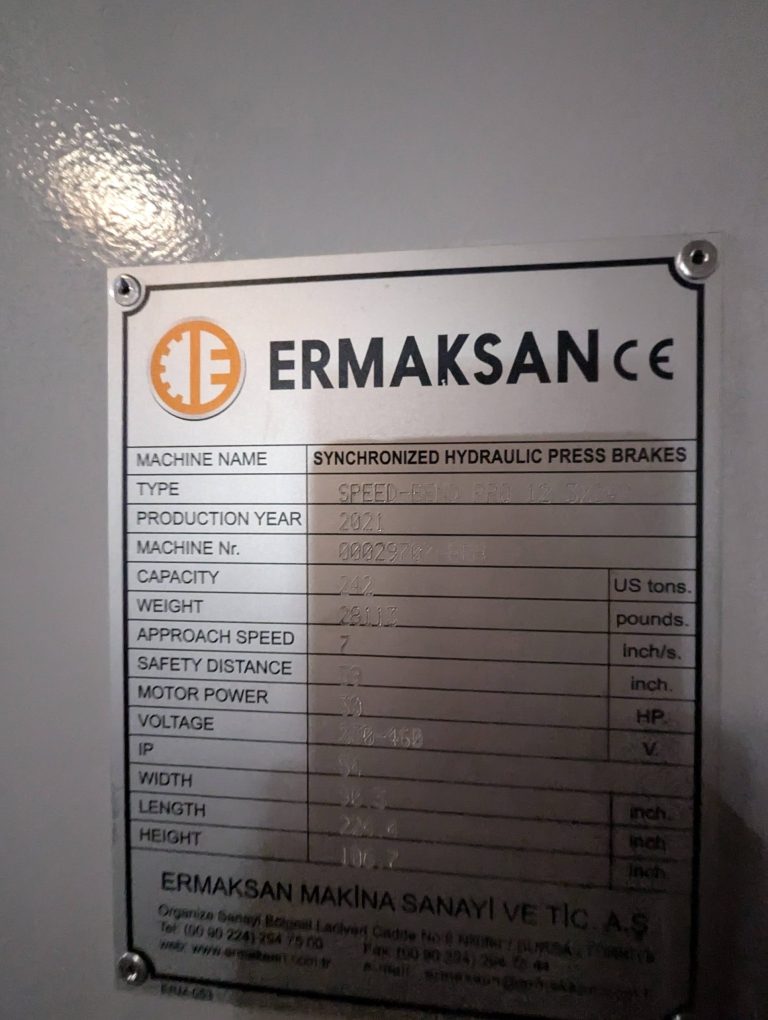
Performance Specs
- Press Capacity: 20 tons to 1,000+ tons
- Bending Length: 4 feet to 20 feet
- Accuracy: Up to ±0.0004 inches with CNC models
- Speed: Varies based on model and manufacturer
Buying Advice
- Consider the material type and thickness you’ll be working with to choose the right capacity.
- Evaluate the available workspace to ensure the press brake fits comfortably and safely.
- Choose between manual, hydraulic, and CNC options based on your production needs and budget.
- Look for models with user-friendly controls and features that ease setup and operation.
FAQs
What is a press brake used for?
A press brake is used to bend or fold metal sheets into specific shapes and angles for various applications in metal fabrication.
How does a CNC press brake differ from a manual one?
A CNC press brake is computer-controlled, offering higher precision and automation compared to a manual press brake, which requires manual adjustment and operation.
What materials can a press brake work with?
Press brakes can work with a variety of metals, including steel, aluminum, brass, and copper, among others.
How do I determine the right press brake for my needs?
Consider the maximum thickness and length of metal you need to bend, the degree of precision required, and whether you need a manual, hydraulic, or CNC model based on production volume.
What safety precautions should be taken when operating a press brake?
Always wear appropriate safety gear, use safety guards, ensure the machine is properly maintained, and follow the manufacturer’s safety instructions.
How often should a press brake be serviced?
It should be serviced according to the manufacturer’s recommendations, typically every 6-12 months, depending on usage.
Mastering the Press Brake: 3 Essential Insights