Mastering Sheet Metal: Techniques and Applications
Sheet metal is a versatile material that plays a crucial role in various industries, from automotive to aerospace. For metal fabrication company buyers, understanding the intricacies of sheet metal is essential to making informed purchasing decisions. This article delves into the basics of sheet metal, explores the essential tools needed for working with it, highlights techniques to enhance craftsmanship, and examines real-world applications. Whether you’re new to the field or a seasoned professional, mastering sheet metal can significantly impact your projects’ success.
Understanding Sheet Metal Basics
Sheet metal is a flat piece of metal that is commonly used in manufacturing and construction. It is available in a variety of materials, including steel, aluminum, brass, and copper, each offering unique properties. The thickness of sheet metal is measured in gauges, with a lower gauge indicating thicker metal. Understanding these basics is crucial for selecting the right material for your specific needs.
The properties of sheet metal, such as its malleability and ductility, make it an ideal choice for various applications. Malleability refers to the ability of the metal to be shaped without breaking, while ductility is the ability to stretch into a wire. These properties allow sheet metal to be formed into complex shapes and structures, making it indispensable in industries like automotive, aerospace, and construction.
Another critical aspect of sheet metal is its ability to be cut, bent, and shaped using various techniques. This versatility allows for the creation of intricate designs and structures, from simple brackets to complex machinery components. Understanding the basics of sheet metal and its properties is the first step in mastering its use in your projects.
Essential Tools for Sheet Metal Work
Working with sheet metal requires a range of specialized tools to cut, shape, and assemble the material. One of the most common tools is the brake press, which is used to bend sheet metal into precise angles. Brake presses come in various sizes and capacities, making them suitable for both small-scale and large-scale projects.
Shears are another essential tool in sheet metal work, used for cutting the metal into desired shapes and sizes. They provide clean, straight cuts and are available in manual, hydraulic, and electric versions. Choosing the right shear depends on the thickness and type of metal you are working with, as well as the volume of production.
Folders and roll formers are also critical tools in the sheet metal industry. Folders are used to create precise folds and bends, while roll formers are used to shape metal into continuous profiles. These tools are essential for creating complex shapes and designs, allowing for greater flexibility and creativity in your projects.
Techniques to Enhance Your Craft
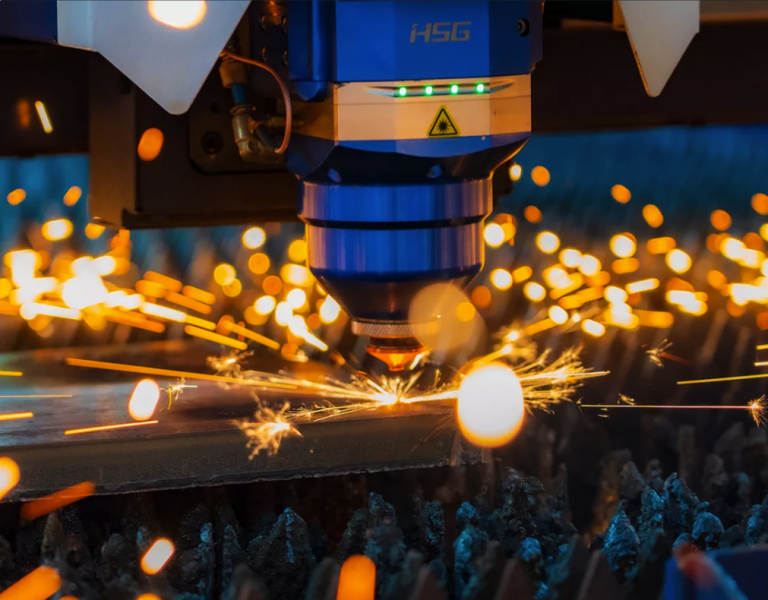
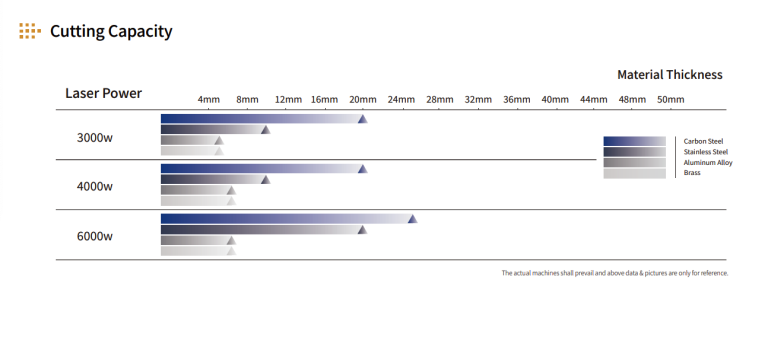
Mastering sheet metal work involves not only understanding the tools but also the techniques used to manipulate the material. One fundamental technique is cutting, which can be done using shears, laser cutters, or plasma cutters. Each method offers different levels of precision and speed, so choosing the right one depends on your project’s requirements.
Bending is another crucial technique in sheet metal work. It involves deforming the metal along a straight axis to create angles and shapes. This can be done using a brake press or a folder, and mastering this technique allows for the creation of complex structures and components.
Joining sheet metal pieces is also an essential skill, with welding, riveting, and adhesive bonding being common methods. Each technique has its advantages and is suited to different applications. Welding provides a strong, permanent bond, while riveting and adhesive bonding offer more flexibility and are often used in situations where welding is not feasible.
Real-World Applications of Sheet Metal
Sheet metal is used in a wide range of industries due to its versatility and strength. In the automotive industry, it is used to create body panels, chassis components, and engine parts. Its ability to be formed into complex shapes makes it ideal for producing aerodynamic and aesthetically pleasing designs.
In the aerospace industry, sheet metal is used to manufacture aircraft components such as wings, fuselages, and engine parts. The material’s lightweight and high-strength properties are crucial for ensuring the safety and efficiency of aircraft. Additionally, sheet metal’s resistance to corrosion makes it suitable for use in harsh environments.
The construction industry also relies heavily on sheet metal for roofing, siding, and structural components. Its durability and weather resistance make it an ideal choice for building applications. Furthermore, sheet metal’s ability to be easily fabricated and installed allows for quick and efficient construction processes.
Mastering sheet metal is an essential skill for anyone involved in metal fabrication. By understanding the basics, utilizing the right tools, and applying effective techniques, you can enhance your craft and expand your capabilities. Whether you’re working in automotive, aerospace, or construction, sheet metal offers endless possibilities for innovation and creativity. For more insights and resources on mastering sheet metal, visit Mastering Sheet Metal: Techniques and Applications.
Sheet metal is a versatile and essential material utilized across a variety of industries, including automotive, aerospace, and construction. Its adaptability and strength make it a preferred choice for numerous applications. For those involved in metal fabrication, understanding the fundamentals of sheet metal is crucial for making informed purchasing decisions and optimizing project outcomes. This guide provides insights into the basic properties of sheet metal, essential tools for working with it, craftsmanship techniques, and its real-world applications. Whether you are new to the field or an experienced professional, mastering sheet metal techniques can significantly enhance the success of your projects.
Maintenance Tips
- Regularly inspect sheet metal tools for wear and damage to ensure precision and safety.
- Keep cutting and forming tools sharp to maintain clean cuts and efficient operations.
- Clean sheet metal surfaces regularly to prevent corrosion and maintain a high-quality finish.
- Store sheet metal in a dry, controlled environment to prevent rust and warping.
Typical Cost Ranges
The cost of sheet metal varies depending on the material, thickness, and amount required. Common materials include steel, aluminum, and copper, with prices generally ranging from $1 to $4 per square foot. Custom cuts and finishes can increase the cost.
Buying Advice
- Assess the specific needs of your project to determine the best type and thickness of sheet metal.
- Consider the material’s properties, such as corrosion resistance and weight, relative to your application.
- Purchase from reputable suppliers to ensure quality and consistency.
- Request samples to evaluate the material before committing to a large order.
FAQs
- What are the common types of sheet metal used in fabrication? Steel, aluminum, and copper are the most commonly used types due to their varying properties and applications.
- How is sheet metal thickness measured? Sheet metal thickness is measured in gauge, with a lower gauge number indicating thicker metal.
- Can sheet metal be recycled? Yes, sheet metal is highly recyclable, which makes it an environmentally friendly option.
- What is the difference between sheet metal and plate metal? Sheet metal typically refers to metal with a thickness of 0.5mm to 6mm, whereas plate metal is thicker than 6mm.
- What tools are essential for working with sheet metal? Some essential tools include shears, brakes, rollers, and hammers, which help cut, shape, and form the metal.
- How can I prevent sheet metal from rusting? Applying a protective coating, such as paint or galvanization, can help prevent rust.
- Is it possible to weld sheet metal? Yes, welding is a common method of joining sheet metal pieces, but it requires precision and the right equipment to avoid warping.
Mastering Sheet Metal: Techniques and Applications