Mastering Press Brake Brochures for Metal Fabricators
In the dynamic world of metal fabrication, the press brake stands as a cornerstone machine, crucial for bending and shaping metal sheets with precision. For buyers in the industry, understanding the nuances of press brakes is essential for making informed purchasing decisions. This article delves into the art of crafting compelling press brake brochures that not only inform but also captivate the attention of potential buyers. Whether you’re a seasoned fabricator or new to the field, mastering the elements of a great brochure can significantly impact your purchasing journey.
Understanding Press Brake Basics
Before diving into brochure design, it’s important to grasp the fundamentals of press brakes. These machines are pivotal in metal fabrication, used for bending sheet and plate material, most commonly sheet metal. Here are some key points to consider:
-
Types of Press Brakes: There are several types of press brakes, including hydraulic, mechanical, pneumatic, and servo-electric. Each type has its own advantages and is suited for different applications.
-
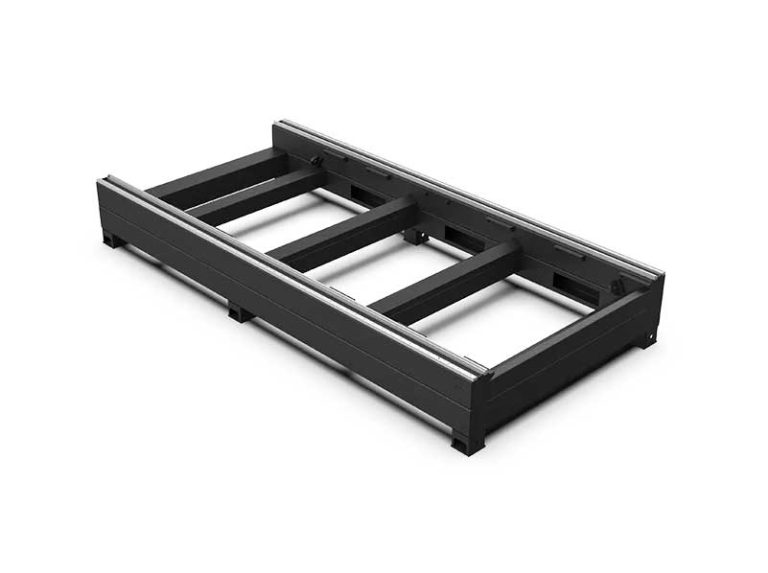
Components: A typical press brake consists of a frame, a ram, a bed, and a back gauge. Understanding these components helps in assessing the machine’s capabilities.
-
Applications: Press brakes are used in various industries, from automotive to aerospace, for creating precise bends and folds in metal sheets.
Understanding these basics will help buyers make sense of the technical specifications and features highlighted in brochures.
Key Features to Highlight in Brochures
When crafting a brochure, it’s crucial to emphasize the features that matter most to metal fabricators. Here are some features that should be prominently highlighted:
-
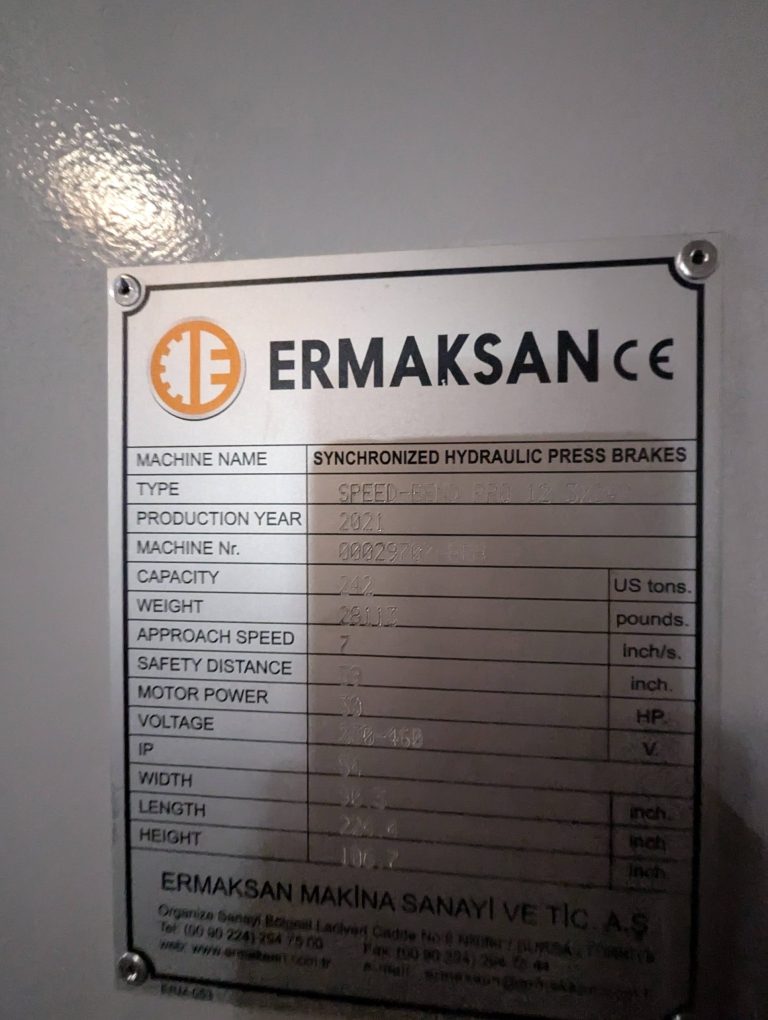
Bending Capacity: Clearly state the maximum bending length and tonnage capacity. This helps buyers understand the machine’s capability to handle different materials and thicknesses.
-
Precision and Accuracy: Highlight features like CNC controls, back gauge accuracy, and repeatability. Precision is a top priority for fabricators.
-
Ease of Use: Mention user-friendly interfaces, quick tool change systems, and ergonomic designs that enhance productivity.
-
Safety Features: Include information on safety measures such as light curtains, safety mats, and emergency stop buttons.
-
Energy Efficiency: With increasing emphasis on sustainability, showcasing energy-efficient features can be a significant selling point.
-
Customization Options: Fabricators often have unique needs, so highlighting customization options can make your brochure stand out.
Designing Brochures That Capture Attention
A well-designed brochure is not just informative but also visually appealing. Here are some tips for designing brochures that capture attention:
-
Visual Hierarchy: Use headings, subheadings, and bullet points to create a clear visual hierarchy. This makes it easier for readers to skim and find the information they need.
-
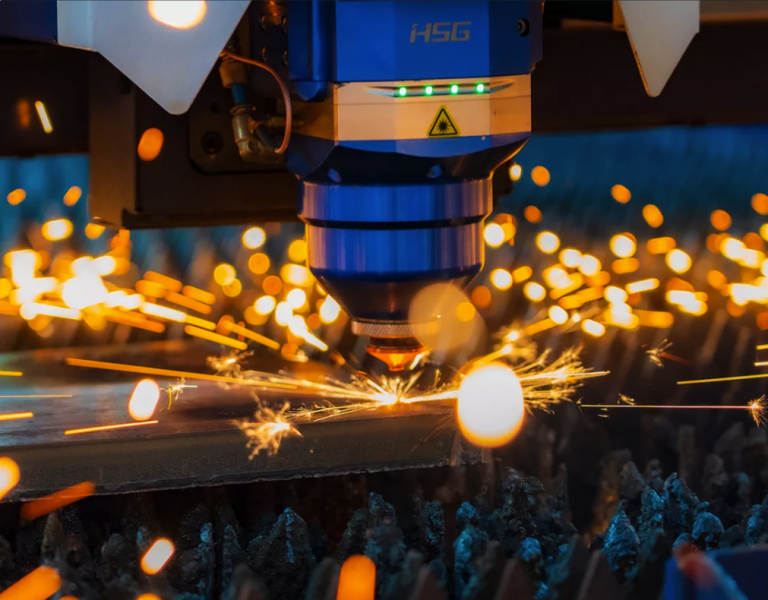
High-Quality Images: Include high-resolution images of the press brake in action. Visuals can convey a lot about the machine’s capabilities and build quality.
-
Engaging Layout: Use a clean and engaging layout that guides the reader’s eye smoothly through the content. Avoid clutter and ensure there is ample white space.
-
Compelling Copy: Use concise and compelling copy that speaks directly to the buyer’s needs. "Imagine the precision and efficiency your shop could achieve with our state-of-the-art press brake."
-
Call to Action: End with a strong call to action, encouraging potential buyers to contact you for more information or a demo.
Crafting an effective press brake brochure requires a balance of technical information and engaging design. By understanding the basics, highlighting key features, and focusing on design elements that capture attention, you can create a brochure that resonates with metal fabricators. For more insights and resources on mastering press brake brochures, visit Mastering Press Brake Brochures for Metal Fabricators. Whether you’re looking to purchase or market these essential machines, a well-crafted brochure can make all the difference in your decision-making process.
The press brake is a vital machine in the metal fabrication industry, essential for bending and shaping metal sheets with high precision. It serves as an indispensable tool for fabricators aiming to produce complex components with accuracy and efficiency. For industry professionals, understanding the intricacies of press brakes is crucial for making informed purchasing decisions. Crafting compelling brochures that effectively convey the capabilities and advantages of press brakes is a significant step toward educating and influencing potential buyers. These brochures should not only inform but also engage and captivate, making them an invaluable resource for both seasoned fabricators and newcomers to the field.
Maintenance Tips
- Regularly inspect the press brake for any signs of wear and tear, especially on critical components such as the tooling, ram, and hydraulic system.
- Ensure that all moving parts are properly lubricated to prevent friction and extend the lifespan of the machine.
- Calibrate the machine periodically to maintain accuracy in bending operations.
- Follow the manufacturer’s guidelines for routine maintenance checks and part replacements.
Typical Cost Ranges
The cost of a press brake can vary widely depending on its size, capacity, and features. Entry-level models suitable for smaller operations may start around $20,000, while advanced models with higher tonnage and automation capabilities can exceed $200,000.
Performance Specs
- Bending Capacity: Up to 500 tons
- Bend Length: 6-20 feet
- Accuracy: +/- 0.0004 inch
- Speed: Approximately 1 inch per second
Buying Advice
When purchasing a press brake, consider the specific needs of your operation, including the types of materials you will be working with and the complexity of the bends required. Evaluate the machine’s tonnage capacity to ensure it can handle your heaviest projects. Additionally, look for features such as CNC controls and automation options, which can enhance efficiency and precision. It’s also important to assess the availability of technical support and service from the manufacturer or supplier.
Frequently Asked Questions
What is a press brake used for? A press brake is used for bending and shaping metal sheets into desired forms with precision. How do I choose the right press brake for my needs? Consider factors such as the material type, thickness, bend complexity, and production volume when selecting a press brake. What are the benefits of using a CNC press brake? CNC press brakes offer enhanced precision, repeatability, and efficiency, allowing for more complex bends and reduced labor costs. How often should I perform maintenance on my press brake? Regular maintenance should be performed according to the manufacturer’s schedule, typically every 6 to 12 months, depending on usage. Can a press brake handle different types of metals? Yes, press brakes can handle a variety of metals, including steel, aluminum, and copper, provided the machine’s specifications align with the material properties. What safety features should I look for in a press brake? Look for features such as light curtains, emergency stop buttons, and safety guards to ensure operator safety during operation.Mastering Press Brake Brochures for Metal Fabricators