Master Press Brake Safety: Essential Tips Unveiled
In the world of metal fabrication, the press brake is an indispensable tool, playing a crucial role in shaping and bending metal components. However, with its immense power comes significant risk, making safety an absolute priority. Mastering press brake safety not only prevents accidents but also ensures efficiency and productivity in the workplace. This article unveils essential tips and techniques that will transform your approach to press brake safety, ultimately leading to a safer and more efficient work environment.
Discover the Importance of Press Brake Safety
Understanding the importance of press brake safety is paramount for any metalworking professional. Press brakes, with their high force and precision, pose numerous hazards, including the risk of severe injuries or even fatalities. These machines can exert tons of pressure, making it essential for operators to respect the power they wield. Recognizing the potential dangers is the first step in cultivating a culture of safety, ensuring that all personnel are aware of the risks and the necessary precautions to mitigate them.
Moreover, prioritizing press brake safety is not just about protecting workers; it’s also about safeguarding the business. Accidents can lead to costly downtime, legal liabilities, and damage to equipment. By emphasizing safety, companies can avoid these pitfalls, ensuring continuous production and maintaining a positive reputation. A safe workplace fosters trust and confidence among employees, which can lead to increased morale and productivity.
Unveil the Top Safety Tips for Press Brake Use
To master press brake safety, it is crucial to adhere to a set of proven safety tips. First and foremost, proper training is essential. Operators should be thoroughly trained not only in the operation of the press brake but also in emergency procedures and safety protocols. Regular refresher courses can help keep skills sharp and ensure that safety knowledge is up-to-date with the latest industry standards.
Another critical safety tip is the use of personal protective equipment (PPE). Operators should always wear appropriate PPE, such as safety glasses, gloves, and steel-toed boots, to protect against potential hazards. Additionally, implementing safety devices like light curtains, safety mats, and two-hand controls can significantly reduce the risk of accidents by ensuring that the press brake operates only when it is safe to do so. These measures create a safer working environment and demonstrate a commitment to safety excellence.
Master Essential Techniques for Accident Prevention
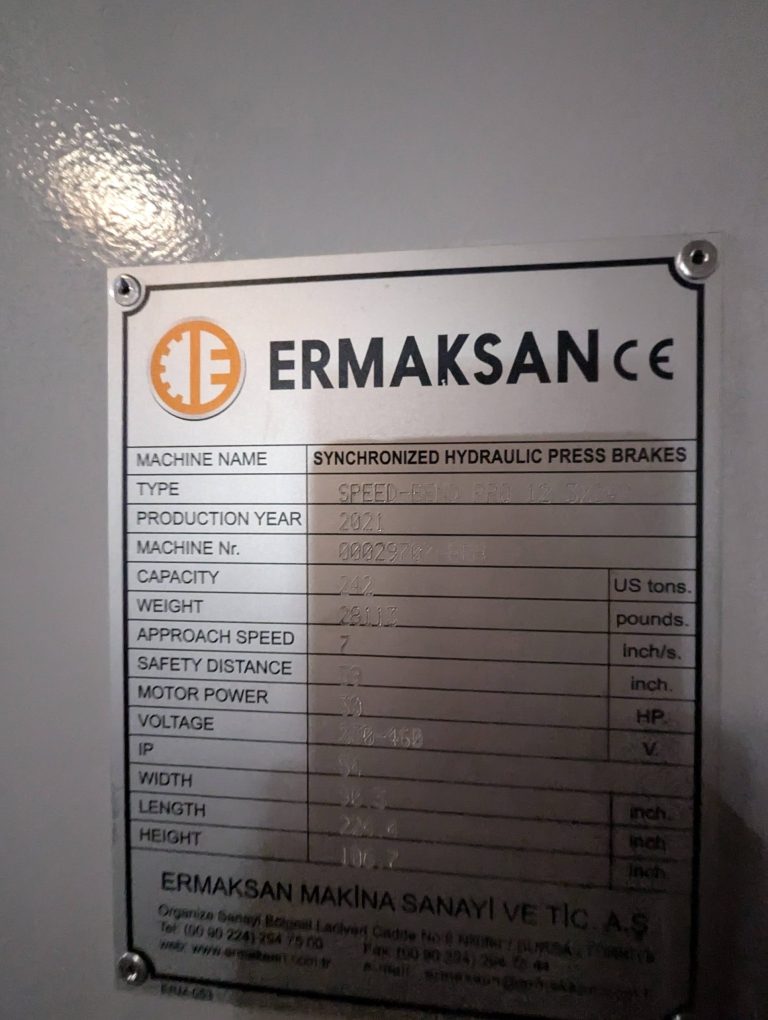
Accident prevention starts with a thorough understanding of the press brake’s operational limits and capabilities. Operators should be familiar with the machine’s specifications and never exceed its maximum load capacity. Overloading a press brake can lead to catastrophic failure, endangering both the operator and the equipment. By respecting the machine’s limits, operators can prevent unnecessary accidents and maintain a safe working environment.
Routine maintenance is another essential technique for accident prevention. Regular inspections and servicing ensure that the press brake is in optimal working condition, reducing the likelihood of mechanical failures. Maintaining a schedule for checking components such as hydraulic systems, electrical connections, and safety devices can catch potential issues before they become serious problems. A well-maintained press brake is not only safer but also more reliable and efficient.
Stay Ahead: Embrace Press Brake Safety Protocols
Staying ahead in press brake safety requires a proactive approach to safety protocols. Establishing a comprehensive safety program that includes regular safety audits, risk assessments, and incident reporting can help identify potential hazards and implement corrective actions. By continuously evaluating and updating safety protocols, companies can adapt to new challenges and maintain a high standard of safety.
Embracing a culture of safety also involves empowering employees to take ownership of their safety practices. Encouraging open communication and feedback on safety issues can lead to innovative solutions and improvements. When employees feel that their safety concerns are heard and addressed, they are more likely to adhere to safety protocols and contribute to a safer workplace.
Enhance Efficiency with Proper Safety Measures
Implementing proper safety measures not only protects workers but also enhances efficiency. A safe working environment minimizes disruptions caused by accidents, allowing for smoother and more consistent production. When operators feel secure, they can focus on their tasks with greater concentration and precision, leading to higher quality output and reduced waste.
Furthermore, efficient safety measures streamline operations by reducing the time spent on accident investigations and equipment repairs. By investing in safety, companies can achieve a more efficient workflow, ultimately leading to increased profitability. Safety and efficiency go hand in hand, and by prioritizing one, businesses can naturally enhance the other.
Transform Your Workplace with Safety Mastery
Transforming a workplace with safety mastery involves creating an environment where safety is ingrained in every aspect of operations. This transformation begins with leadership commitment to safety as a core value. When management prioritizes safety, it sets a precedent for the entire organization, encouraging everyone to follow suit. This top-down approach ensures that safety is not just a policy but a fundamental part of the company culture.
By mastering press brake safety, companies can achieve a competitive edge. A reputation for safety excellence can attract top talent and build stronger relationships with clients and partners. Moreover, a safe workplace reduces the risk of costly accidents and legal issues, allowing businesses to focus on growth and innovation. Safety mastery is not just about compliance; it’s about creating a thriving, resilient workplace.
In conclusion, mastering press brake safety is a multifaceted endeavor that requires commitment, education, and proactive measures. By understanding the importance of safety, implementing essential tips and techniques, and fostering a culture of safety, companies can protect their most valuable assets—their employees. As we embrace these principles, we not only prevent accidents but also enhance efficiency and transform our workplaces. Let us commit to safety mastery and pave the way for a safer, more productive future in metal fabrication.
The press brake is a vital tool in metal fabrication, essential for shaping and bending metal components with precision. However, its powerful operation brings considerable risks, making safety a top priority. Mastering press brake safety is crucial not only to prevent workplace accidents but also to enhance overall efficiency and productivity. This guide provides essential tips and techniques to revolutionize your approach to press brake safety, ensuring a safer and more effective work environment.
Maintenance Tips
- Regularly inspect the press brake for wear and tear to prevent unexpected failures.
- Lubricate moving parts to reduce friction and increase the machine’s longevity.
- Ensure that all safety mechanisms, such as emergency stops and guards, are functioning correctly.
- Schedule professional maintenance checks annually for comprehensive evaluation and servicing.
Typical Cost Ranges
The cost of press brakes can vary significantly based on size, capacity, and features. Small, manual press brakes can start from around $5,000, while large, CNC-controlled models can exceed $100,000.
Buying Advice
- Identify the type and thickness of materials you will be working with to choose the appropriate press brake capacity.
- Consider the degree of automation you require; CNC models offer higher precision and efficiency.
- Evaluate the available workspace to ensure the machine fits comfortably and allows safe operation.
- Review warranty and support services provided by the manufacturer to ensure long-term reliability.
FAQs
What are the common hazards associated with press brakes?
Common hazards include pinch points, accidental start-ups, and flying debris. Proper training and safety measures can mitigate these risks.
How often should press brakes be inspected?
Press brakes should be visually inspected daily before use, with more detailed inspections monthly or quarterly depending on usage frequency.
What safety equipment is recommended when operating a press brake?
Operators should wear safety goggles, gloves, and steel-toed boots. Using lockout/tagout devices during maintenance is also crucial.
Can I retrofit safety features to an older press brake?
Yes, many safety features like light curtains and safety mats can be retrofitted to older machines to enhance safety.
What is the role of a backgauge in a press brake?
A backgauge ensures precision by positioning the material correctly for each bend, improving accuracy and repeatability.
How do I choose between a hydraulic and a mechanical press brake?
Hydraulic press brakes offer more control and are suitable for a wider range of tasks, while mechanical ones are faster and generally less expensive for simpler operations.
Is operator training necessary for using a press brake?
Yes, comprehensive training is essential for understanding machine operation, safety procedures, and emergency protocols to prevent accidents.
Master Press Brake Safety: Essential Tips Unveiled