Master Press Brake Maintenance for Peak Performance
In the world of metal fabrication, the press brake stands as an indispensable tool, shaping sheets of metal with precision and efficiency. However, like any machine, its performance can wane without proper care. Mastering press brake maintenance is not just about keeping your machine running; it’s about ensuring peak performance, minimizing downtime, and extending its lifespan. This article will guide you through the essentials of press brake maintenance, offering expert tips and insights to keep your operations smooth and efficient.
Unlock the Secrets to Press Brake Mastery
Mastery of the press brake begins with understanding its intricacies. Each component, from the hydraulic system to the tooling, plays a vital role in its operation. By familiarizing yourself with these elements, you can quickly identify potential issues before they escalate. Regular training and staying updated with the latest advancements in press brake technology will empower operators to use the machine to its fullest potential, enhancing both productivity and precision.
Moreover, developing a routine maintenance schedule is crucial. This involves routine inspections and checks that allow operators to notice wear and tear early. Understanding the signs of potential failures, such as unusual noises or vibrations, can prevent small issues from becoming costly repairs. By mastering these maintenance secrets, operators not only ensure the longevity of their equipment but also optimize their production processes.
Essential Maintenance for Optimal Performance
To ensure optimal performance, it is essential to focus on the maintenance of key components of the press brake. Start with the hydraulic system, which is the heart of the machine. Regularly check for leaks and ensure that hydraulic fluids are at the appropriate levels and quality. Contaminated or low fluid levels can lead to inefficient operation and increased wear on the system.
Equally important is the maintenance of the tooling and the press brake’s mechanical parts. Regularly inspect the tooling for signs of wear or damage and replace them as necessary to maintain precision in your work. Lubricate moving parts to reduce friction and prevent premature wear. By focusing on these essential maintenance tasks, you can keep your press brake functioning at its best, delivering consistent and high-quality results.
Maximize Efficiency with Proactive Care
Proactive care is the key to maximizing the efficiency of your press brake. Implement a preventive maintenance program that includes regular inspections, cleanings, and part replacements. By addressing potential issues before they result in downtime, you maintain a seamless workflow and reduce the risk of costly repairs. Proactive care not only saves money but also boosts the overall efficiency of your operations.
Investing in quality parts and fluids is another aspect of proactive care that shouldn’t be overlooked. Using subpar materials can lead to frequent breakdowns and reduced machine performance. By choosing high-quality components and ensuring that your press brake is serviced by knowledgeable professionals, you can significantly enhance its efficiency and reliability.
Avoid Downtime with Expert Maintenance Tips
Downtime is the enemy of productivity, and avoiding it requires expert maintenance strategies. One effective tip is to maintain a detailed maintenance log. Recording all inspections, repairs, and part replacements helps track the machine’s history and anticipate future needs. This log serves as a valuable resource for troubleshooting and planning maintenance activities.
Another expert tip is to train your staff thoroughly. Ensuring that all operators are well-versed in both the operation and maintenance of the press brake reduces the likelihood of user error and increases the overall safety and efficiency of the machine. Regular training sessions and updates on the latest maintenance techniques can keep your team sharp and your press brake in top condition.
Extend Your Press Brake’s Lifespan Today
Extending the lifespan of your press brake begins with a commitment to regular maintenance. By adhering to a strict maintenance schedule and addressing issues promptly, you can significantly prolong the life of your machine. This not only maximizes your investment but also ensures consistent performance over the years.
Additionally, consider upgrading components or systems as technology evolves. Modern advancements can offer more efficient and durable solutions, enhancing the longevity and performance of your press brake. By staying proactive and embracing new technologies, you can ensure that your press brake remains a valuable asset in your metal fabrication operations for years to come.
Achieve Precision with Regular Maintenance
Precision is the hallmark of a well-maintained press brake. Regular maintenance ensures that all components function harmoniously, reducing errors and improving the quality of your work. Calibration of the machine should be part of your routine maintenance to maintain accuracy and consistency in your operations.
Furthermore, regular maintenance helps in identifying and rectifying any misalignments or defects in the tooling or machine setup. By ensuring everything is in perfect working order, you achieve the precision required in today’s competitive market. Regular maintenance not only preserves the integrity of your machine but also enhances your reputation for delivering high-quality products.
In conclusion, mastering press brake maintenance is an investment in the future of your operations. By implementing a comprehensive maintenance program, you can unlock the full potential of your press brake, ensuring it runs efficiently and accurately for years to come. Embrace proactive care, stay informed about the latest technologies, and train your team to maintain your equipment diligently. With these strategies, you can avoid costly downtime, extend the lifespan of your press brake, and achieve the precision necessary for success in the metal fabrication industry.
The press brake is a pivotal machine in metal fabrication, known for its capability to accurately shape metal sheets. To maintain its efficiency and extend its life, regular maintenance is crucial. Proper care not only ensures optimal performance but also reduces downtime and repair costs. This guide will provide essential maintenance tips and expert advice to help you keep your press brake in top condition, ensuring smooth and efficient operations.
Maintenance Tips
- Regularly inspect and lubricate all moving parts to prevent wear and tear.
- Check hydraulic fluid levels and quality, replacing as needed to ensure smooth operation.
- Periodically calibrate the machine to maintain precision in metal bending.
- Inspect electrical components and connections for signs of damage or wear.
- Clean the machine regularly to prevent dust and debris buildup that can affect performance.
- Replace worn-out parts promptly to avoid further damage to the machine.
Typical Cost Ranges
The cost of a press brake can vary significantly based on size, capacity, and features. Small, manual press brakes can start at around $10,000, while larger, CNC-controlled models can range from $50,000 to over $200,000.
Performance Specs
- Bending Capacity: Varies from a few millimeters to several meters in width.
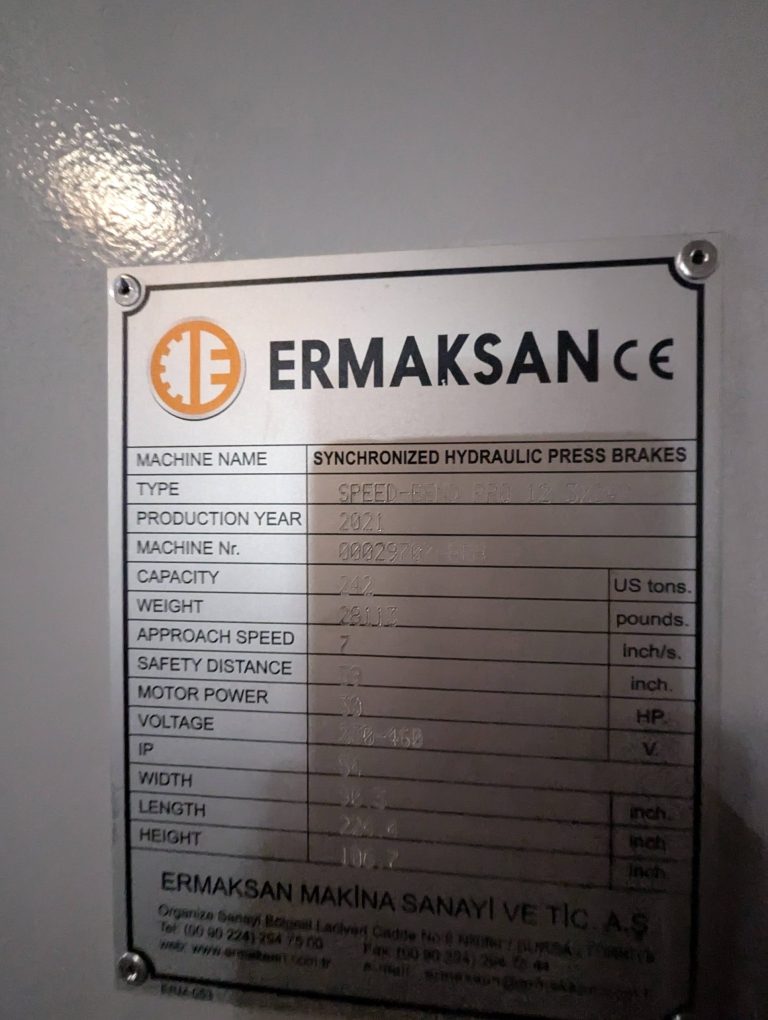
- Tonnage: Typically ranges from 20 tons to 1000 tons, depending on the model.
- Precision: High-end machines offer precision to within a fraction of a millimeter.
- Speed: Modern machines can achieve faster cycle times, enhancing productivity.
Buying Advice
- Consider the types of materials you will be working with and choose a press brake with appropriate capacity and tonnage.
- Look for features such as CNC controls for higher precision and ease of use.
- Evaluate the machine’s footprint and ensure it fits within your workspace.
- Check the service and support options available from the manufacturer.
- Consider energy efficiency to reduce operating costs in the long run.
Frequently Asked Questions
What is the typical lifespan of a press brake?
With proper maintenance, a press brake can last 15 to 25 years or more.
How often should I perform maintenance on my press brake?
Basic inspections should be done daily, with more thorough maintenance scheduled monthly and annually.
Can I retrofit my old press brake with CNC controls?
Yes, many older models can be retrofitted with CNC controls to improve precision and functionality.
What safety measures should I follow when operating a press brake?
Always wear appropriate protective gear, ensure safety guards are in place, and follow the manufacturer’s safety guidelines.
How can I improve the accuracy of my press brake?
Regular calibration, proper maintenance, and using high-quality tooling can enhance accuracy.
Is it possible to use a press brake for materials other than metal?
While primarily used for metal, some press brakes can handle certain plastics and other materials, depending on their specifications.
Master Press Brake Maintenance for Peak Performance