Master Press Brake: Avoid These Common Mistakes
In the world of metal fabrication, mastering the press brake is essential for producing high-quality, accurate bends in metal sheets. However, even experienced operators can fall prey to common mistakes that compromise efficiency, safety, and the longevity of their equipment. This article aims to highlight these pitfalls and provide actionable insights to help you avoid them. By understanding the intricacies of press brake operation, selecting the appropriate tooling, respecting the machine’s limits, prioritizing precision, maintaining the equipment, and adhering to safety protocols, you can elevate your metalworking projects to new heights of excellence.
Understand the Basics of Press Brake Operation
Before you can master the press brake, it’s crucial to grasp the fundamentals of its operation. This machine is designed to bend and shape metal sheets with precision, but achieving the desired results requires a thorough understanding of its components and functions. Familiarize yourself with the different types of press brakes, such as mechanical, hydraulic, and CNC, each of which offers unique advantages and limitations. Knowing how to set up and configure the machine correctly is the first step toward avoiding costly mistakes and ensuring efficient production.
Moreover, understanding the basic principles of material behavior during bending is essential. Different metals respond differently to stress, and factors such as thickness, hardness, and grain direction can significantly impact the bending process. By studying these variables and how they interact with your press brake, you can make informed decisions that enhance the quality of your work. Investing time in mastering the basics will pay dividends in terms of productivity and product quality.
Choose the Right Tooling for Your Project
Selecting the appropriate tooling for your press brake is a critical step that can make or break your project. The right tools ensure that you achieve the desired bend angles and radii without damaging the material or the machine. Consider the material type, thickness, and the complexity of the bends when choosing your tooling. Using the wrong punch or die can lead to inaccurate results, increased wear on the machine, and even safety hazards.
Additionally, it’s essential to keep your tooling well-maintained and organized. Regularly inspect your tools for wear and tear, and replace them as needed to maintain precision and safety. Proper storage and handling of tooling also help prevent damage and ensure that you always have the right tools on hand for any project. By choosing the right tooling and keeping it in top condition, you can enhance the efficiency and accuracy of your press brake operations.
Avoid Overloading: Know Your Machine’s Limits
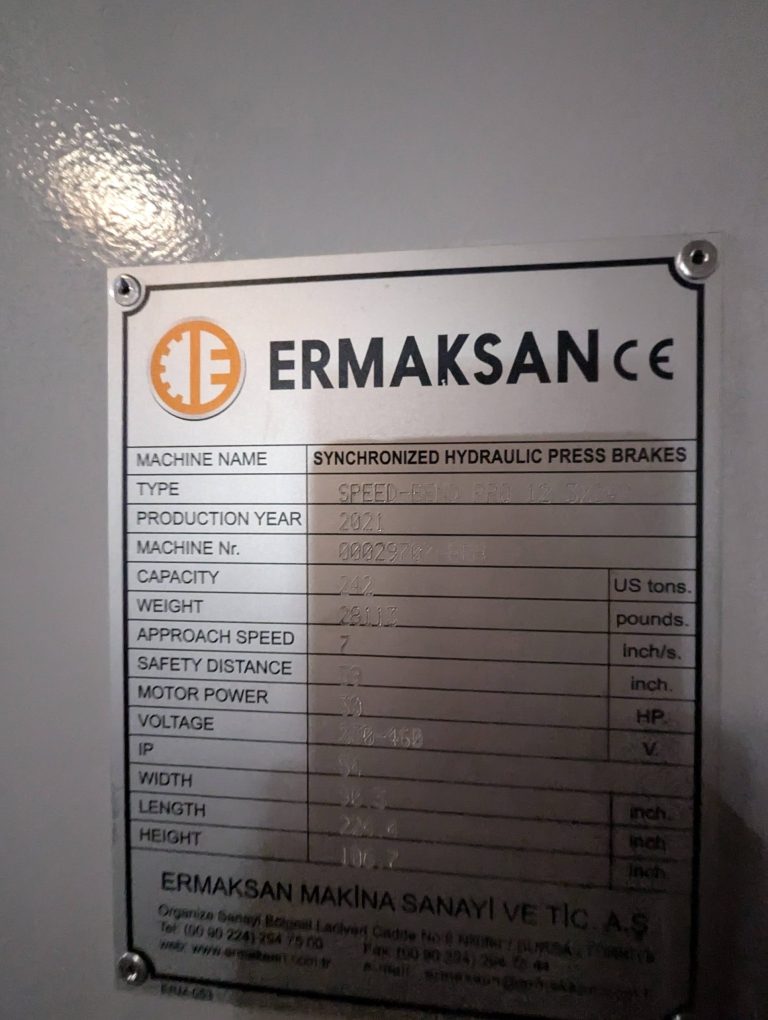
One of the most common mistakes in press brake operation is overloading the machine beyond its capacity. Every press brake has specific limits in terms of tonnage, material thickness, and bend length that must be respected to prevent damage and ensure safe operation. Overloading not only risks damaging the machine but can also compromise the quality of the bends and pose serious safety risks to operators.
To avoid overloading, always consult the machine’s specifications and ensure that the material and job requirements fall within its capabilities. Use load calculators and software to determine the appropriate settings for each project. By understanding and respecting your machine’s limits, you can prevent costly repairs, extend its lifespan, and maintain a safe working environment.
Precision Matters: Ensure Accurate Measurements
In metal fabrication, precision is paramount. Accurate measurements are essential to achieving the desired outcomes and maintaining consistency across multiple parts. Even small deviations can lead to significant issues in assembly and function. To ensure precision, invest in high-quality measuring tools and regularly calibrate them to maintain accuracy.
Furthermore, it’s crucial to adopt a meticulous approach to setup and alignment. Double-check measurements and settings before each operation, and use test pieces to verify the results. Implementing a systematic approach to measurement and alignment will help you catch errors early, reduce waste, and improve the overall quality of your work. Precision is not just a goal; it’s a discipline that can significantly enhance your press brake operations.
Regular Maintenance: Extend Your Machine’s Life
Regular maintenance is the key to extending the life of your press brake and ensuring consistent performance. Like any piece of machinery, a press brake requires routine checks and servicing to operate at its best. Establish a maintenance schedule that includes inspections, lubrication, and the replacement of worn parts. Keeping your machine in optimal condition not only enhances its performance but also prevents unexpected breakdowns that can disrupt production.
Additionally, train your team to recognize signs of wear and potential issues. Encourage a culture of proactive maintenance where operators take responsibility for reporting and addressing minor problems before they escalate. By prioritizing regular maintenance, you can maximize the return on your investment, reduce downtime, and ensure that your press brake remains a reliable asset in your fabrication operations.
Safety First: Protect Yourself and Your Team
Safety should always be the top priority when operating a press brake. This powerful machine poses significant risks if not handled correctly, making it essential to implement stringent safety protocols. Provide comprehensive training for all operators, emphasizing the importance of following safety guidelines and using personal protective equipment (PPE). Regularly review and update safety procedures to address new risks and ensure compliance with industry standards.
Moreover, foster a safety-conscious culture where team members feel empowered to speak up about potential hazards and suggest improvements. Conduct regular safety audits and drills to reinforce the importance of vigilance and preparedness. By prioritizing safety, you not only protect your team but also create a more efficient and productive work environment. Remember, a safe workplace is a successful workplace.
Mastering the press brake requires more than just technical skill; it demands a commitment to best practices in operation, tooling selection, load management, precision, maintenance, and safety. By avoiding the common mistakes outlined in this article, you can improve the quality and efficiency of your metalworking projects while safeguarding your equipment and team. Embrace these strategies to transform your press brake operations and achieve exceptional results in every project.
In the world of metal fabrication, mastering the press brake is essential for producing high-quality, accurate bends in metal sheets. However, even experienced operators can fall prey to common mistakes that compromise efficiency, safety, and the longevity of their equipment. This article aims to highlight these pitfalls and provide actionable insights to help you avoid them. By understanding the intricacies of press brake operation, selecting the appropriate tooling, respecting the machine’s limits, prioritizing precision, maintaining the equipment, and adhering to safety protocols, you can elevate your metalworking projects to new heights of excellence.
Maintenance Tips
- Regularly inspect and clean the press brake to prevent dust and debris buildup, which can affect performance.
- Lubricate moving parts according to the manufacturer’s guidelines to reduce wear and tear.
- Check hydraulic fluid levels and quality regularly to ensure smooth operation.
- Calibrate the machine periodically to maintain precision in bends.
Typical Cost Ranges
The cost of a press brake can vary significantly based on the size, capacity, and features. Generally, prices range from $50,000 for smaller models to over $200,000 for larger, fully automated machines.
Performance Specs
- Bending Capacity: Up to 400 tons
- Bending Length: Up to 20 feet
- Backgauge Accuracy: ±0.0004 inches
- Control Systems: CNC, Manual
Buying Advice
- Assess your production needs to select a machine with the appropriate capacity and features.
- Consider the types of materials you will be working with, as this will influence the required tonnage and tooling.
- Evaluate the ease of operation and training support provided by the manufacturer.
- Look for models with energy-efficient features to reduce long-term operational costs.
FAQs
What is a press brake used for? A press brake is used in metal fabrication to bend sheet metal into precise shapes and angles. What are common mistakes to avoid when using a press brake? Common mistakes include using incorrect tooling, operating beyond the machine’s capacity, and neglecting regular maintenance. How can I ensure the safety of press brake operations? Ensure operators are trained, follow safety protocols, use appropriate personal protective equipment, and keep the work area clear of obstructions. What materials can be processed with a press brake? Press brakes can process various materials, including steel, aluminum, copper, and brass, among others. How often should a press brake be serviced? Service intervals depend on usage, but generally, a press brake should be inspected and maintained at least every six months. Can I upgrade my existing press brake? Yes, many press brakes can be upgraded with new control systems, safety features, and tooling to extend their lifespan and improve performance. What factors affect the precision of a press brake? Precision is affected by the machine’s calibration, tooling quality, and operator skill level.Master Press Brake: Avoid These Common Mistakes