Key Elements to Evaluate During a Full Shop Assessment for Metal Fabrication Operations
A keen eye, a practical mindset, and a dedication to continuous improvement are cornerstones of successful metal fabrication operations. For the production or operations manager faced with real-world challenges, a full shop assessment is an opportunity to unlock hidden efficiencies, reduce waste, support your workforce, and ultimately boost profitability. With years of shop floor experience and a problem-solving attitude, let’s walk through the most important elements to evaluate during a comprehensive shop assessment—offering you workable solutions, technical recommendations, and proven strategies.
Assessing Equipment Condition and Maintenance Protocols
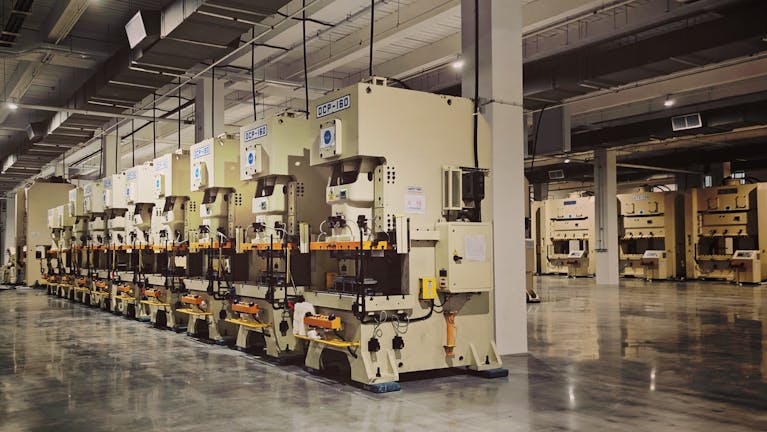
The health of your fabrication shop starts with your equipment. Regular wear and aging machines can quietly drain productivity and lead to costly breakdowns or inconsistent output. During an assessment, look closely at the current state of every machine—shears, presses, lasers, welders, brakes, and the smaller handheld tools.
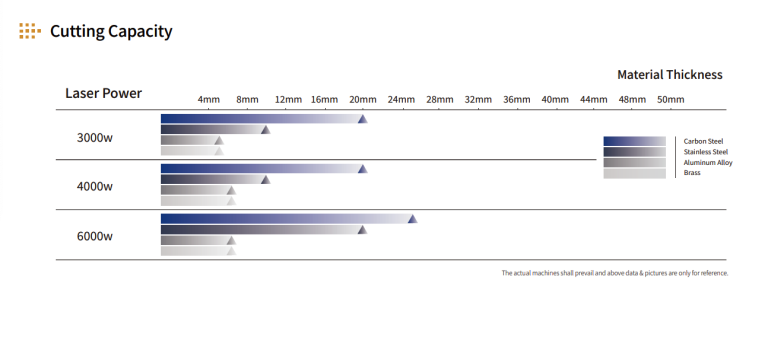
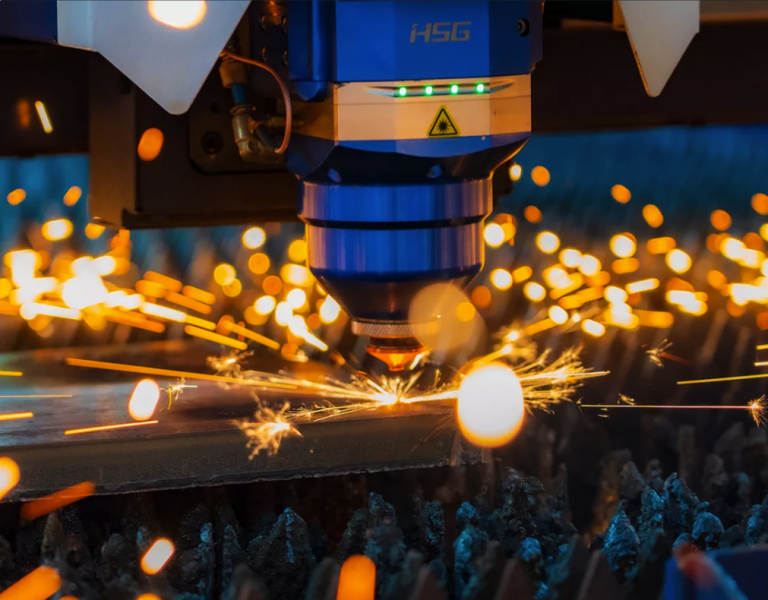
A strong maintenance protocol isn’t just routine oiling. It involves scheduled downtime for inspections, cleanings, and timely replacement of critical parts. Modern asset management software can track maintenance schedules and alert you before issues become costly failures. From a sales perspective, updating high-use machines with energy-efficient models, like fiber lasers for cutting or automated press brakes, can dramatically cut cycle times and utility costs. Don’t forget to ensure you have easy access to manufacturer support and critical spare parts for every major piece of equipment.
For real improvements, consider machines with progressive feeding and unloading features. Laser cutters with automated load/unload systems or robotic welders not only reduce handling but also free up skilled workers for more complex tasks. Upgrading old machines might seem costly upfront, but in a full assessment, total lifecycle cost—including productivity gains and safety improvements—should guide your purchase decisions.
Evaluating Workforce Skills and Safety Compliance
A reliable shop runs on more than just machines—it needs a skilled, motivated workforce. Assessing your team starts with checking certifications and verifying that every operator is properly trained for the machines they run. Cross-training staff across multiple fabrication processes increases flexibility, reduces downtime if someone’s absent, and supports staff growth.
Safety cannot be overstated. Review compliance with lockout/tagout procedures, personal protective equipment (PPE) use, and emergency protocols. Investing in operator training, machine-specific drills, and updated safety gear reduces incidents and insurance claims. From a sales perspective, shops with proven safety records are more attractive partners and suppliers; safer environments also help with employee retention.
Machine recommendations here include those with advanced guarding, two-hand controls, and built-in error alerts. Simple investments like standardized safety signage and color-coded walkways can prevent costly accidents and make a solid impression during customer tours or supplier audits.
Analyzing Workflow Efficiency and Material Movement
Time and materials are money in fabrication. A full shop assessment must examine the flow of materials from receiving to finished part. Bottlenecks—like waiting for shared machines, excessive manual handling, or inefficient layout—can stack up costs and stretch lead times.
Lean manufacturing principles can go a long way. Map out your current workflow and look for places where parts wait unnecessarily or travel farther than needed. Solutions might involve rearranging equipment into process cells, adding conveyor systems, or integrating automated guided vehicles (AGVs) for parts transport.
Automation isn’t just for huge plants. Even small investments, like powered roller tables or small robotic arms for repetitive loading and unloading, can slash material handling time, minimize damage, and free up valuable labor for higher-value assembly work. When recommending machines, look for modular features and compatibility with automatic feeders to keep your workflow progressive and streamlined.
Reviewing Inventory Management Systems and Storage Solutions
Your operation’s profitability is tightly linked to how well inventory is managed and materials are stored. Assess your current inventory system—whether it is digital or manual, accuracy is paramount. Biggest issues typically involve over-ordering, running out of vital material, or misplacing expensive stock.
Modern inventory management integrates barcode scanning, material tracking, and even real-time vendor communication. Cloud-based platforms tie everything together, help reduce overstock, and automate reorder points. Vertical lift modules and automated storage systems can dramatically increase storage density, cut search and retrieval time, and minimize employee fatigue or injury.
Saleswise, customers expect reliable lead times and error-free deliveries—strong inventory control wins orders and keeps them. If you’re considering upgrades, machines with inbuilt inventory management for tools and consumables (like CNC machines with RFID-tagged tool drawers) let you tackle downtime from missing or worn-out parts, and support ongoing efficiency.
Inspecting Quality Assurance Processes and Documentation Practices
A shop is only as good as its worst part. Comprehensive quality assurance is essential both to satisfy your customers and maintain your reputation. Assess whether your inspection routines catch out-of-tolerance parts before they leave the shop, and whether measurement tools, fixtures, and gauges are calibrated regularly.
Digital documentation creates transparency and simplifies audits. If you aren’t yet using a Manufacturing Execution System (MES), now is the right time. Quality management software can tie inspection data directly to work orders, helping you detect patterns, prevent recurring defects, and give customers proof of compliance for critical jobs.
On the machine side, modern fabrication equipment often includes in-process part verification and real-time measurement options. For instance, press brakes with dynamic angle measurement or welders with integrated seam monitoring take quality checks from reactive to proactive. Progressive shops document corrective actions, train operators on root cause fixes, and keep a close eye on customer returns and complaints for trends.
FAQ: Shop Assessment in Metal Fabrication
Why is equipment condition so important during an assessment?
Well-maintained machines prevent unexpected breakdowns, ensure product quality, and minimize costly downtime.
How can automation improve my workflow?
Simple automation—like robotic load/unload or conveyors—reduces manual handling, speeds up production, and frees workers for skilled tasks.
Will upgrading inventory systems really boost profits?
Better inventory control means less overstock and fewer shortages, both directly impacting cash flow and customer satisfaction.
Is digital documentation really necessary for small shops?
Digital records improve traceability, speed up audits, and help catch and fix quality issues before they reach the customer.
How often should safety training and machine certification be refreshed?
Best practice is annual or bi-annual refreshers, with new training for any upgraded equipment or significant process change.
An honest, thorough shop assessment is more than a checklist—it’s your playbook for tackling today’s challenges and building a stronger, more profitable operation. Take action on weak spots, ask the right questions, and invest wisely in your team, your tools, and your processes. Industry leaders aren’t born; they are built—one smart improvement at a time.
OUTRO:
No matter what size or stage your metal fabrication operation is at, a detailed and proactive approach to shop assessment will always give you a competitive edge. If you need tailored advice, machine recommendations, or hands-on support for your next shop upgrade, connect with industry experts and stay ahead of the curve. Your commitment to continuous improvement is the best investment you’ll ever make.
A full shop assessment for metal fabrication focuses on how well people, processes, and equipment work together, using data and smart layout/technology choices to reduce waste, improve throughput, and stabilize quality.
1) Quick Look
- Objective: Identify bottlenecks, quality risks, and underutilized capacity across cutting, forming, welding, finishing, and material handling areas.
- Scope: Facility layout, workflow, machinery capabilities, maintenance practices, staffing/skills, scheduling, and quality controls.
- Approach: Walk‑through observation, data collection (throughput, scrap, rework, changeover times), and comparison against target lead times and quality goals.
- Smart solutions: Use of simple sensors, production dashboards, standardized work, and optimized material flow to shorten travel and wait times.
- Outcome: Practical list of changes (layout tweaks, process standardization, training, selective automation) prioritized by impact vs. cost.
2) Typical Cost Ranges
Pricing estimate (USD): Varies by configuration
- Assessment-only services can range widely depending on shop size, number of process areas (cutting, forming, welding, finishing), and depth of data analysis.
- Additional costs typically arise from follow‑on actions such as tooling upgrades, layout changes, software or sensor additions, and new machine purchases.
- Smaller job shops may focus spending on workflow and low‑cost smart solutions (visual controls, basic data collection) rather than major capital equipment.
- Larger operations often budget for phased improvements, such as adding capacity at a key bottleneck machine cell or upgrading to more capable cutting/forming centers.
- Configuration factors affecting cost include number and type of machines evaluated, complexity of product mix, and the level of automation considered.
3) Specs That Matter
- Process coverage across the value stream: Ensure the assessment spans raw material receiving, storage, cutting, forming, welding, machining (if present), finishing, and shipping, not just one “problem” area.
- Capacity vs. demand alignment: Compare machine capabilities (e.g., cutting speed, bend throughput, weld deposition rates) to actual and forecasted demand to locate true bottlenecks.
- Changeover and setup performance: Measure typical setup times on key machines; frequent product changeovers with long setups are a major driver of lost capacity.
- Material flow and handling: Evaluate travel distances, number of touches, staging/queuing areas, and use of carts, racks, or conveyors to minimize non‑value‑added movement.
- Quality and rework patterns: Identify where defects originate (cutting tolerances, bend accuracy, weld distortion, finishing damage) and how they propagate through the shop.
- Data availability and accuracy: Check how run times, downtime, scrap, and WIP are captured (manual logs vs. basic sensors or software) and how reliable that information is.
- Maintenance and reliability: Review preventive maintenance routines, unplanned downtime frequency, and spare parts practices for critical machines.
4) Pre-Purchase Checklist
- Confirm the assessment scope clearly covers all major fabrication steps and interfaces (including material handling and inspection).
- Verify what data will be collected (throughput, OEE, scrap, changeover times) and how it will be measured during the assessment.
- Ask how bottlenecks will be identified and prioritized, and how recommendations will be tied to measurable performance improvements.
- Check that layout evaluation includes material flow, safety, ergonomics, and future expansion or automation paths.
- Ensure the evaluation method considers product mix variability, batch sizes, and peak vs. average load conditions.
- Review how existing machinery capabilities will be benchmarked against current and anticipated part requirements.
- Confirm that maintenance practices and machine condition (especially for high‑use cutting and forming equipment) will be examined.
- Determine whether the assessment will address workforce skills, training needs, and standard work documentation.
- Ask for a clear format of the final deliverables (maps, charts, prioritized action list, ROI estimates where possible).
- Plan in advance how you will implement low‑cost “quick wins” vs. longer‑term investments based on the assessment findings.
5) FAQ
What is the main goal of a full shop assessment for metal fabrication? To understand how equipment, people, and processes interact so you can remove bottlenecks, reduce waste, and improve quality across the entire operation.
How broad should the assessment scope be? It should cover the full value stream from incoming material through cutting, forming, welding, finishing, and shipping, including material handling and inspection points.
Do I need new machines to benefit from an assessment? Not necessarily; many gains come from better layout, standardized work, improved scheduling, and smarter use of existing equipment before major capital purchases.
How are bottlenecks identified in the shop? By combining observed queues and delays with data on run times, changeover times, and downtime to find the processes that consistently constrain throughput.
What kind of data should I collect during the evaluation? Typical data include throughput per process, setup times, scrap and rework rates, downtime causes, WIP levels, and travel distances for materials.
How do smart solutions fit into a traditional fab shop? They often start as simple additions such as basic sensors, visual dashboards, and standardized work instructions that make performance visible and easier to control.
Can an assessment help with quality problems? Yes, by tracing defects back to their process origins and revealing how equipment capability, setup practices, and handling methods affect final part quality.
How often should I repeat a full shop assessment? It is typically useful to revisit the assessment when product mix, volume, or key equipment changes significantly, or on a periodic basis to maintain improvements.
Will the assessment disrupt production? When planned carefully, most evaluations are done alongside normal operations, using observation and data collection with minimal impact on throughput.
What should I expect as final output from an assessment? A prioritized list of improvement actions, supporting data, and often layout or workflow suggestions that link directly to efficiency and quality objectives.
Source: Key Elements to Evaluate During a Full Shop Assessment for Metal Fabrication Operations
Key Elements to Evaluate During a Full Shop Assessment for Metal Fabrication Operations