Integrating Ermaksan Press Brakes with High-Speed Laser Cutting for Streamlined Metal Fabrication Workflows
In today’s metal fabrication shops, balancing quality, speed, and cost control is vital. Shop managers must rely on equipment that not only performs but creates a natural workflow for staff and systems. Taking a professional, problem-solving approach means looking at every stage—cutting, forming, assembling—and ensuring equipment choices support efficiency, accuracy, and reliability. Integrating Ermaksan press brakes with high-speed laser cutting is a powerful way to streamline production while tackling real-world bottlenecks.
Understanding Ermaksan Press Brakes and Modern Laser Cutting Systems
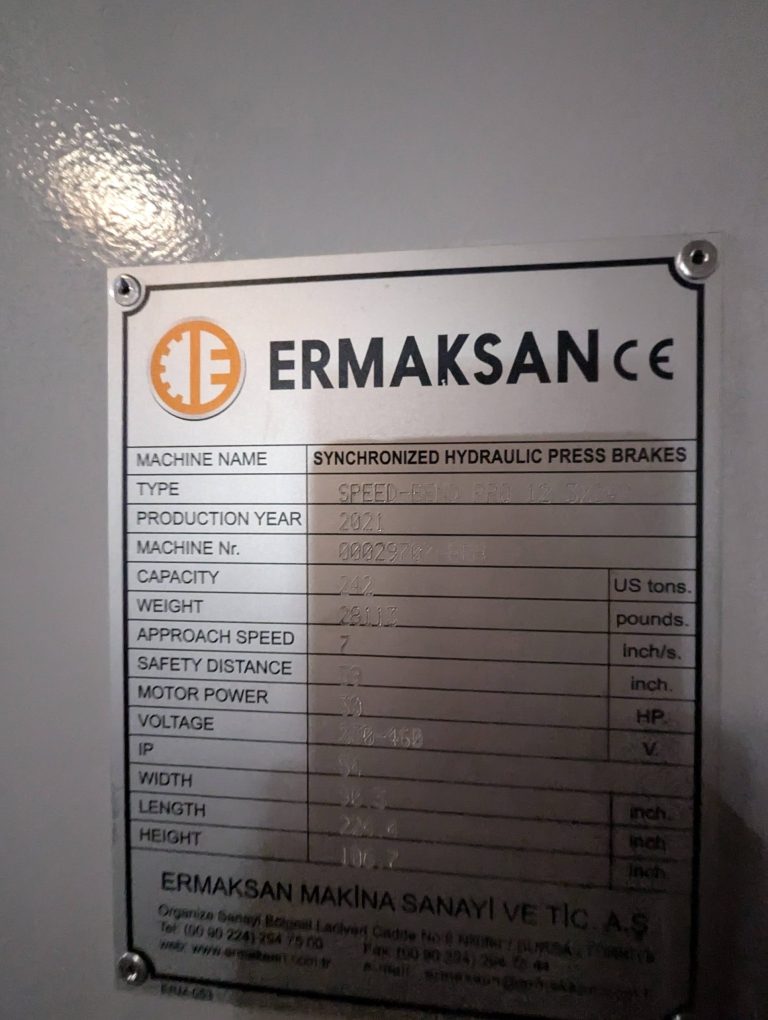
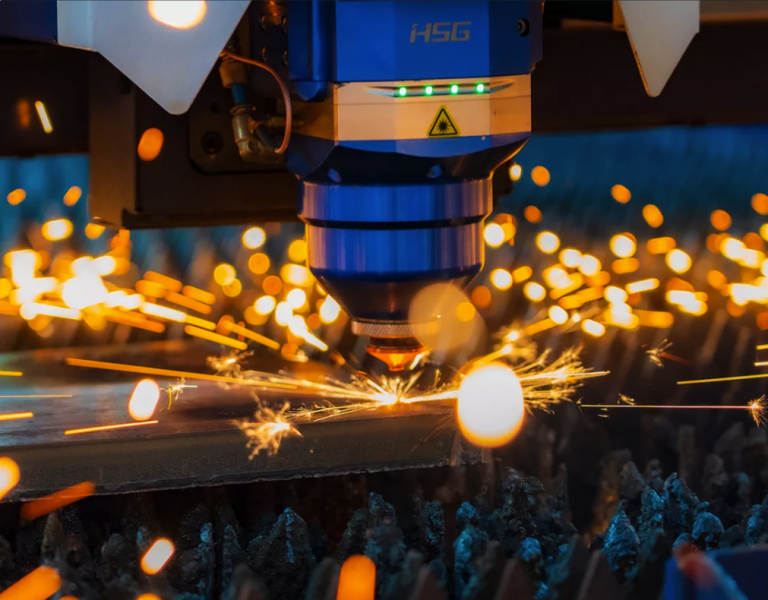
Ermaksan press brakes are trusted worldwide for their robust build quality, exceptional bending precision, and easy-to-learn controls. These machines are tailored for both small, complex jobs and long, repetitive runs. When paired with high-speed fiber laser cutters—machines that slice through metal sheets with swift, clean cuts—the result is a fast, reliable start to any fabrication process.
In many shops, laser cutting is now the backbone of flat parts fabrication because of its speed, flexibility, and minimal post-cut clean-up. Ermaksan press brakes fit perfectly into this environment, enabling operators to take freshly cut parts straight from the laser and bend them without delays or rework. For operations managers, this compatibility minimizes scrap, reduces operator fatigue, and keeps work flowing, even on demanding schedules.
From a sales standpoint, Ermaksan’s Advantage and Speed-Bend series press brakes match well with popular fiber laser brands, forming the basis of a modern, integrated cell. For shops already running Ermaksan equipment or looking for an upgrade, these machines can slot in seamlessly alongside new laser cutters, providing an immediate uptick in job turnaround and reliability.
Key Integration Points for Seamless Workflow Automation
For metal shops aiming to automate and streamline, the interface between laser cutting and press braking is critical. Material should move effortlessly from the cutting table to the press brake, minimizing manual handling and non-value-added steps.
Ermaksan press brakes shine here because they can be outfitted with robotic part handlers, conveyor systems, or even full assembly cells. Their open-back design and accessible work area mean laser-cut blanks can be staged directly for the press brake operators or robots to grab. This reduces walking and lifting—key bottlenecks in older layouts.
Machine recommendations for shops seeking rapid integration: pair an Ermaksan Speed-Bend Pro press brake with a fiber laser like Ermaksan’s Fibermak Momentum Gen-5. Use small-footprint automatic shuttles or trolleys between machines. This combination allows for concurrent tasks, where the laser cuts the next job while the press brake bends the output of the previous one.
The sales advantage: A tight integration not only saves time but can also support progressive assembly—bending subassemblies right after laser cutting, with less need to move materials around the shop, less risk of mixing up part numbers, and fewer errors before final quality checks.
Optimizing CAD/CAM Software Compatibility
No integrated workflow is complete without robust CAD/CAM compatibility. Ermaksan’s SmartBend and similar software support direct import of 2D and 3D part files. This means whatever your engineering team designs, can transition smoothly into laser cutting and then bending, with minimal manual programming.
For production managers, the ability to nest laser parts efficiently, apply bend sequences automatically, and simulate jobs saves countless hours, reduces mistakes, and increases machine uptime. Ermaksan press brakes come standard with touch-screen controls that accept programs via USB, network, or directly from shop CAD stations—making it quick to switch from one job to the next with all bend parameters in place.
If your shop uses widely adopted platforms like SolidWorks, AutoCAD, or Lantek, you’ll find Ermaksan’s controllers compatible. This interoperability is a significant selling point: no need for expensive custom software or confusing workarounds. For logistics, this also means you can pre-stage jobs across multiple machines and shift workloads as priorities change—essential for keeping deadlines and accommodating urgent orders.
Enhancing Production Efficiency Through Synchronized Operations
The real payoff in an integrated Ermaksan/laser workflow is synchronized production. Imagine your laser is cutting a large batch job; as soon as the first parts are cut, they’re staged for bending. The press brake starts bending even before the laser finishes cutting the entire batch. This overlap transforms throughput.
With Ermaksan’s bending speeds, precise backgauge, and automatic tool setup, operators can change jobs in minutes, not hours. For sales teams, this means offering fast-turnaround services on complex or highly customized orders—a strong differentiator in a competitive market.
To further optimize, recommend investing in laser-compatible sheet storage towers that feed both the laser and brake. This centralizes your material flow, reducing forklift use and time spent searching for the right blanks. It also facilitates real-time inventory tracking, giving production managers up-to-the-minute job status.
A practical tip for progressive assembly: Use job tickets and barcoding so cut-and-bend parts for the same subassembly stay together throughout the process. This ensures less confusion in downstream tasks like welding or finishing, keeps quality up, and helps meet tight deadlines without overtime or rework.
Maximizing Quality and Precision in Metal Fabrication Output
Quality is where integrating Ermaksan press brakes and lasers pays real dividends. Laser cutting offers extremely precise edges with minimal burr, so when those parts reach the press brake, the starting conditions for bending are already optimal. Ermaksan press brakes further enhance this by using advanced sensors and feedback systems that monitor bend angle and adjust in real time.
Sales professionals can highlight fewer rejected parts per batch, reduced need for operator skill at every station, and consistent, repeatable results on both long runs and prototypes. This is because the CAD-to-part workflow leaves less to chance, and integrated error-checks catch problems early.
Technically, Ermaksan’s hybrid and electric press brakes produce less heat distortion and use less oil, making them particularly well suited for precision work in thinner gauge metals or when working with high-performance sheet. For shops looking to expand into more demanding markets or offer more value-added services, this consistent high quality is a critical advantage.
FAQ
What are the biggest benefits of integrating Ermaksan press brakes with high-speed laser systems?
You get faster turnaround times, reduced handling, and a more organized, efficient workflow—leading to higher profits and less stress on staff.
How does automation between the press brake and laser cutter help reduce costs?
Automating material flow minimizes wasted motion, reduces scrap, and decreases labor costs tied to moving and sorting parts manually.
Can I use my existing CAD/CAM files with Ermaksan systems?
Yes. Ermaksan’s software is compatible with major CAD/CAM systems, allowing easy transfer and minimal reprogramming.
Will switching to this integrated workflow require major shop layout changes?
Typically, only minor adjustments are needed, such as dedicated material staging areas and optimized part flow between machines.
Is it possible to start small and scale up over time with Ermaksan equipment?
Absolutely. Many shops begin with a single press brake and laser and gradually add automation and integration as production grows.
Helpful Info
Integrating Ermaksan press brakes and high-speed laser cutting machines isn’t just for the largest shops. It’s a proven strategy for anyone looking to build a progressive, efficient metal fabrication process. The right combination of equipment, software, and workflow planning can help you take on more jobs, boost margins, and build a reputation for reliability and quality. If you need support finding the best solution for your shop’s size and output needs, reputable equipment dealers and Ermaksan’s technical team offer evaluation and training services to get your team up to speed quickly and confidently.
By making thoughtful equipment choices and connecting them with smart workflow practices, today’s shop managers can solve real-world production challenges and position your operation for future growth.
Integrating Ermaksan press brakes with high-speed laser cutting in a single, coordinated workflow can significantly reduce handling time, improve part accuracy, and support smarter, data-driven metal fabrication from blanking through final forming.
Quick Look
- Integrated cell concept: high-speed laser cutting for blanks, followed by CNC press brake forming in a coordinated workflow.
- Typical scope: includes a high-speed laser, one or more Ermaksan press brakes, basic automation/part flow, and offline programming or nesting software.
- Main benefits: fewer setups and re-clamps, reduced work-in-process (WIP), and more consistent part quality across cutting and bending.
- Productivity focus: matching laser throughput with press brake capacity to avoid bottlenecks and idle time.
- Smart production: digital job data, bend programs, and cutting nests coordinated to minimize errors and rework.
- Best suited for: shops with recurring sheet-metal parts, moderate-to-high volumes, and a need for predictable lead times.
What It Typically Costs
Typical integrated investment for a high-speed laser cutting and Ermaksan press brake workflow: $900,000 – $2,000,000 USD, depending on laser power, table size, automation level, and number/capacity of press brakes.
- Entry configurations sit near the lower end of the range, with a single high-speed laser, one press brake, and limited automation.
- Systems with higher laser wattage, larger table formats, and multiple press brakes trend toward the upper end of the range.
- Add-ons such as automated loading/unloading, part sorting, or advanced offline programming can materially increase total cost.
- Facility preparation (power, extraction, floor space, material storage) should be budgeted in addition to the machine package.
Key Selection Factors
- Throughput balance between laser and press brakes – Ensure laser cutting speed and sheet throughput are realistically matched to press brake capacity (tonnage, bend length, and cycle time) so that one process does not consistently wait on the other.
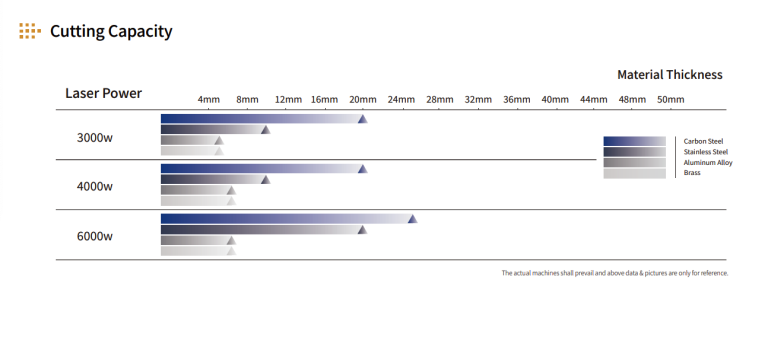
- Material range and thickness – Define the primary materials (e.g., mild steel, stainless, aluminum) and maximum thicknesses to size both the laser power and the Ermaksan press brake tonnage/bed length appropriately.
- Accuracy and repeatability requirements – Consider the level of precision required in cut geometry and bend angles; tighter tolerances may justify higher-spec backgauges, crowning systems, and more refined cutting parameters.
- Automation and handling strategy – Decide how far to go with automated loading/unloading, part stacking, and transfer from laser to press brake, as this affects labor requirements and consistency of part flow.
- Software integration and data flow – Evaluate whether nesting, bend simulation, and CNC programs can be managed from a common environment so cut parts and bend sequences are synchronized and easy to revise.
- Floor layout and material logistics – Plan machine placement, raw sheet storage, and finished-part staging to minimize forklift travel and manual handling between cutting and bending.
- Scalability and future expansion – Consider whether you may later add another press brake, a second laser, or more automation, and whether the initial system architecture and controls will support that growth.
Pre-Purchase Checklist
- Confirm that the proposed laser cutting speed and table size align with your typical sheet formats, batch sizes, and material mix.
- Verify Ermaksan press brake tonnage, open height, stroke, and bending length against your largest and thickest planned parts.
- Review sample parts or trial runs that demonstrate combined laser-cut and press-brake-formed accuracy on your actual materials.
- Inspect how programs are created and transferred: nesting for the laser, bend sequences for the press brake, and how revisions are handled.
- Assess the ergonomics and safety of part flow between the laser and press brake, including guarding, access, and operator stations.
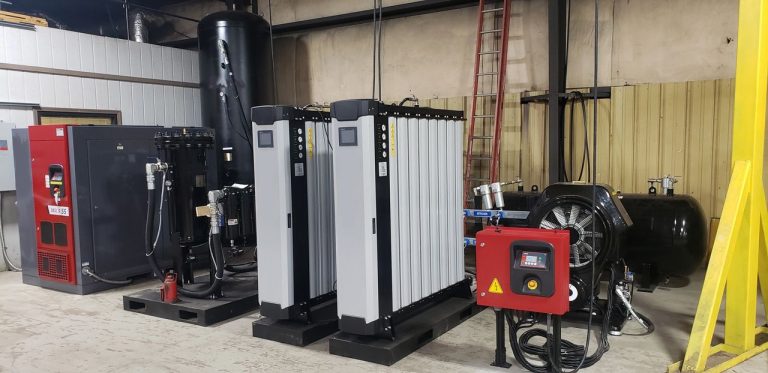
- Check that facility utilities (power supply, compressed air, extraction/filtration, and floor loading) are adequate for the full system.
- Evaluate the level of automation being proposed versus your staffing, shift patterns, and maintenance capabilities.
- Clarify training scope for operators, programmers, and maintenance personnel on both the laser and the Ermaksan press brakes.
- Review estimated total cost of ownership, including consumables, tooling for the press brakes, and expected service intervals.
- Ensure there is a realistic implementation timeline and support plan for commissioning, process tuning, and early production support.
FAQ
How does integrating a high-speed laser with Ermaksan press brakes improve productivity? It reduces handling and waiting time by aligning cutting and bending in a coordinated workflow, so parts move directly from laser-cut blanks to bending with fewer queues and setups.
What shop size benefits most from this type of integrated system? It is most suitable for operations with steady or growing volumes of sheet-metal parts where cutting and bending are both major contributors to lead time.
Can one press brake keep up with a high-speed laser? That depends on the laser’s throughput and the complexity of the bends; in some cases one well-specified press brake is sufficient, while in others multiple brakes or staged operations are needed to avoid bottlenecks.
Is full automation required between the laser and press brake? No, systems can range from manual transfer of parts to fully automated loading, unloading, and sorting; the right level depends on your labor model and part mix.
What should I focus on when specifying the Ermaksan press brake? Key items include required tonnage, bending length, stroke and open height, backgauge capability, and the accuracy needed for your typical parts.
How important is software integration in these workflows? It is central to efficiency, because consistent part data, nests, and bend programs minimize programming time, errors, and rework when parts change or repeat.
Can the system handle both thin-gauge and thicker plate? Yes, if both the laser and press brakes are sized appropriately for the full material range; this must be defined clearly during specification.
What hidden costs should I consider beyond the machines themselves? Plan for tooling, consumables, facility upgrades, software, training, and ongoing maintenance as part of the total investment.
How long does it typically take to commission an integrated setup? Commissioning time varies with system complexity, but you should expect a defined ramp-up period for installation, alignment of processes, and operator training.
Can I expand the line later if volumes increase? In many cases you can add additional press brakes, more automation, or another laser, provided the initial layout and controls are chosen with expansion in mind.
Integrating Ermaksan Press Brakes with High-Speed Laser Cutting for Streamlined Metal Fabrication Workflows