Evaluating 3 kW Tube Lasers With Entry-Level Automation for Metal Fabrication Productivity
Metal fabrication shops today must achieve more with less. Teams are challenged to increase throughput, improve consistency, and control costs without sacrificing the craftsmanship and responsiveness their customers rely on. In this environment, smart investments in technology can turn the daily grind into a competitive advantage. If you’re evaluating whether to bring 3 kW tube laser technology and entry-level automation into your workflow, you’re not just keeping pace; you’re preparing your operation to seize new opportunities and resolve real-world shop-floor headaches.
Understanding 3 kW Tube Laser Technology for Metal Fabrication
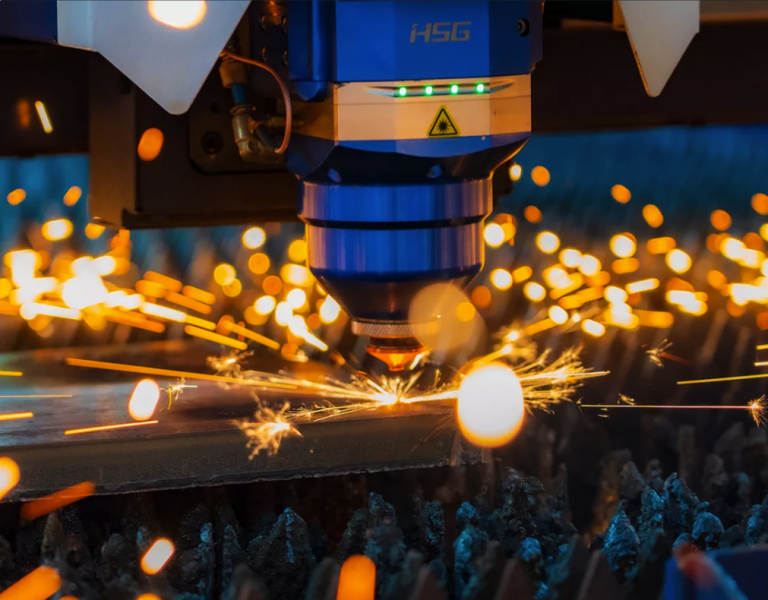
A 3 kW tube laser is a high-precision machine specifically designed to cut metal tubes and profiles at high speeds. Instead of traditional saws or manual processes, the laser uses a focused beam of light to make precise cuts, handle complex geometries, and reduce the need for secondary processing. For busy fabrication environments, this technology minimizes errors and boosts overall part quality.
From a sales perspective, shops leveraging 3 kW tube lasers can offer shorter lead times and more intricate parts, which opens up new market segments. Leading machine brands to consider include the Mazak FG-220 DDL, BLM LT Fiber, and Trumpf TruLaser Tube series, all known for ruggedness and ease of use. When selecting a machine, ensure it matches your maximum tube length and diameter needs and check if it can easily integrate into your facility’s layout without excessive retrofitting.
Assessing the Impact of Entry-Level Automation on Workflow Efficiency
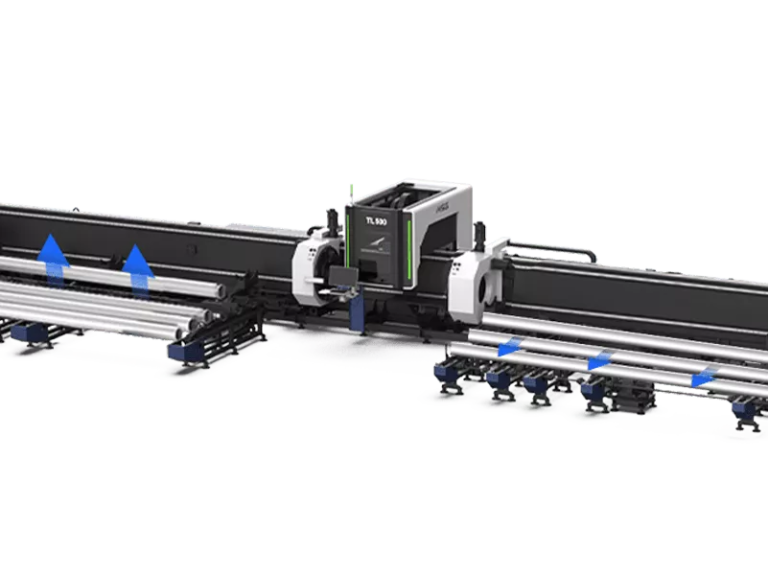
Adding entry-level automation, such as automatic loaders and unloaders, improves workflow by minimizing the manual steps required to feed raw materials and remove finished parts. Operators are freed up to monitor several machines or perform higher-level tasks, which shrinks labor costs while raising output—and this advantage applies to both seasoned fabricators and shops new to automation.
A good entry-level automation system will smoothly handle stock material loading and align with your staging areas, reducing material handling bottlenecks. Machines like the BLM LT7 or the Mazak FG-220 with bundled automation add-ons are tailored for small-to-midsize shops looking to streamline without overextending themselves financially or technologically. Sites with progressing assembly lines benefit most, since material does not need to be constantly carried or moved, keeping the workflow healthy and efficient.
Key Features Enhancing Productivity in 3 kW Tube Lasers
Modern 3 kW tube lasers come equipped with smart features that further amplify productivity. Look for machines with user-friendly controls, integrated nesting software (to optimize material usage), automatic tube measurement, and built-in diagnostics. These capabilities minimize downtime, ensure the laser is always cutting at optimal speed, and reduce the risk of operator errors.
For shop managers, the recommendation is to prioritize machines with remote interfaces and modular expansion options. These tools uphold technical credibility by allowing quick troubleshooting, improved order tracking, and seamless integration into progressive workflow layouts. Reducing the hands-on time required also limits labor fatigue and lowers the chances of bottlenecks, keeping jobs on schedule.
Evaluating Material Versatility and Cut Quality for Diverse Applications
One of the biggest sales advantages of a 3 kW tube laser is flexibility. These machines can cut mild steel, stainless, aluminium, and more—usually without changing tooling or fixturing. This expands the range of jobs a shop can bid on and win, especially for architectural, furniture, and machinery applications.
Quality-wise, tube lasers deliver smooth, burr-free edges that often eliminate secondary deburring or grinding. When considering a purchase, verify that the machine handles the wall thicknesses and alloys most prevalent in your customer base. For broader versatility, options like the Trumpf TruLaser Tube 5000 or BLM Group’s LT Fiber offer quick-change systems and adaptive clamping for maximum adaptability with minimal setup.
Calculating Return on Investment and Operational Cost Savings
From a financial standpoint, the pairing of a 3 kW tube laser with entry-level automation enables a straightforward path to ROI. Shops report tangible labor savings as one operator can oversee several processes, and shorter parts cycles mean more orders fulfilled each shift. The consistency and accuracy cut down on scrap and rework, which directly impacts your bottom line.
Request detailed cost-of-ownership estimates from reputable dealers or integrators. Make sure to include considerations for equipment wear, energy usage, consumables, and the value of reclaimed shop-floor space. Logistically, the right automation combo can free up skilled personnel for more intricate or profitable work, rather than manual loading or sorting.
FAQ
What are the main benefits of coupling a 3 kW tube laser with entry-level automation?
You get higher efficiency, less manual handling, and fewer errors, translating into faster, more profitable production.
Is a 3 kW machine powerful enough for most jobs?
Yes. For many metal fabricators, 3 kW provides excellent speed with material thickness flexibility, covering most contract work outside of the heaviest structural requirements.
How steep is the learning curve for operators?
Most new-generation tube lasers are designed with intuitive controls, so operators can become proficient quickly—especially with vendor training.
What space or logistical changes should I expect?
Plan for clear space at both ends of the laser for automated loading and unloading. Some shop rearrangement may be needed, but modular options minimize disruption.
Will this technology really lower our cost per part?
In most cases, yes, due to labor savings, less scrap, and higher throughput. Actual results depend on your shop’s mix and workflow.
Can I add more automation in the future?
Yes. Entry-level systems are often modular, so you can upgrade as your production volumes and support needs grow.
Need Further Guidance?
If you’re ready to bring your shop’s tube processing to the next level, assess your most common tube sizes, material grades, and production bottlenecks. Talk to multiple machine vendors for demo runs and references. The numbers often speak for themselves. Bringing together a 3 kW tube laser with the right level of automation can transform your productivity, keep your team focused on value-added work, and let your shop say "yes" to more—and better—business.
Evaluating 3 kW Tube Lasers With Entry-Level Automation for Metal Fabrication Productivity