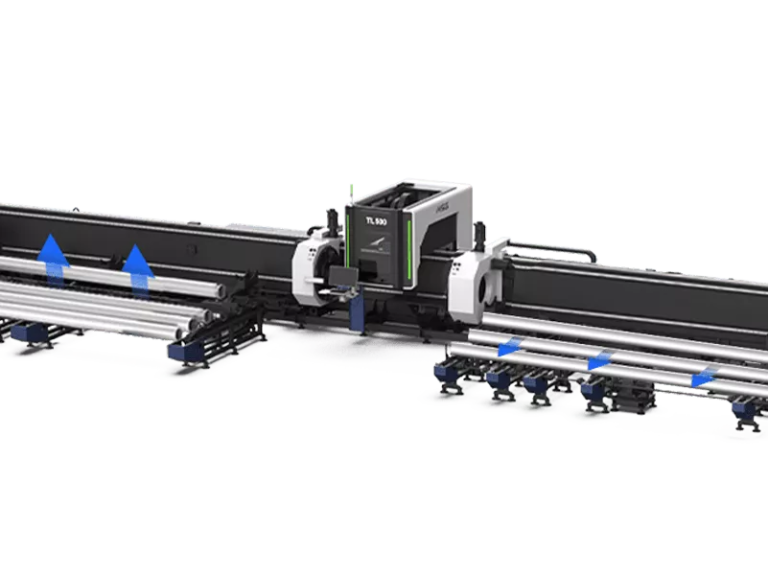
Double Miter Saws for Precision Metal Fabrication and Efficient Production
Every shop production manager knows that bringing jobs in on time and on spec means using the best machines for the task. When it comes to metal fabrication, every cut counts, and cutting corners—whether literally or figuratively—simply isn’t an option. A shop’s work ethic shows in its finished parts, and that starts with investing in equipment that delivers consistent, repeatable quality. Double miter saws are an example of modern precision engineered for real-world fabrication. Let’s dive into how these machines can transform workflow, boost efficiency, and maintain quality standards with minimal handling and maximum control.
Understanding Double Miter Saws and Their Role in Metal Fabrication
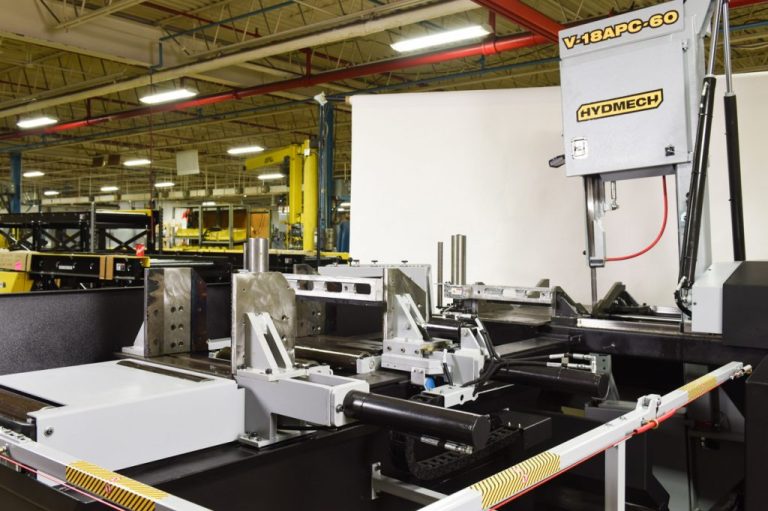
Double miter saws are designed specifically with the needs of metal fabrication shops in mind, where accuracy, speed, and repeatability are critical. Unlike conventional saws that offer limited angle cutting, double miter saws can pivot both left and right, allowing operators to make compound cuts at varying angles without having to reposition the material extensively.
This capability is particularly valuable for operations that produce frames, supports, or assemblies requiring angled joints. Shops engaged in projects where parts must consistently fit together snugly—such as window frames, door profiles, or structural components—will see the most immediate benefits. Machines like the MAC-Tech Double Miter Saw streamline the cutting process, reducing preparation time and enhancing the consistency between parts.
By installing a double miter saw in your workflow, you’re making a statement about your commitment to accuracy and professional results. Precise angle controls, strong clamps, and robust construction all combine to create a platform for repeatable, production-level fabrication.
Key Features That Enhance Precision Cutting
The double miter saw adds value through its advanced design features, all of which contribute to accurate, clean cuts. One crucial feature is digital or manual angle setting, letting operators select exact angles with confidence. Rigid clamping systems hold material securely, reducing vibration and blade wander for improved edge finish and tolerances.
Many industrial double miter saws, such as those found at MAC-Tech, also offer adjustable cutting speeds and feed rates. This allows for material-specific optimization—softer aluminum, for instance, can be cut more aggressively while steel may require a slower, steadier approach. Precision linear guides and automatic length stops can be added for batch production, preventing errors and wasted material.
For shop managers, this means less need for deburring or secondary operations. Waste is reduced and operator fatigue is minimized, both of which improve your bottom line. Incorporating a cutting solution that’s engineered for repeatability ensures every team member can produce parts to spec with minimal supervision.
Optimizing Production Workflow with Automated Functions
Modern double miter saws don’t just improve quality—they dramatically enhance workflow efficiency, too. Many high-end models feature automated saw head movement, programmable routines, and memory storage for common tasks. This allows operators to load material, select a preset program, and let the saw execute complex series of cuts autonomously.
By reducing manual measuring and repositioning, time per part drops and material handling is minimized. On production lines, this means parts can move directly from the saw to assembly or secondary machining with fewer touches and faster throughput. Utilizing automated stops, sensors, and conveyors further reduces bottlenecks, keeping your assembly process moving smoothly.
MAC-Tech’s double miter saws, for example, are built to integrate into progressive lines, with options for material feed systems and outfeed tables. This reduces the number of hands on each piece and helps shield your workflow from common pitfalls like inconsistent measuring or operator error. For operations scaling up volume, automation is a proven lever for faster delivery and higher margins.
Maximizing Blade Performance for Different Metal Types
Blade performance is at the heart of any sawing operation. Double miter saws can be equipped with a range of blade types—carbide, HSS, or specialized coatings—tailored to the metals you most frequently cut. Matching the blade type to the metal is essential for optimal cutting speed and blade longevity.
For example, when cutting aluminum extrusions, a carbide-tipped blade running at higher RPM delivers clean, burr-free edges. For steel or tougher alloys, slower speeds and a more robust blade with appropriate tooth geometry mitigate overheating and ensure straight cuts.
Double miter saws such as those in the MAC-Tech lineup allow easy blade swaps and provide adjustable speed controls. This ensures you can quickly adapt to different jobs and materials without retooling your entire line. Maintaining a small inventory of specialist blades on hand streamlines changeovers and keeps uptime high—a key metric in busy production environments.
Safety Protocols and Maintenance Best Practices
Safe, reliable operation is non-negotiable in the metal fabrication industry. Double miter saws are equipped with protective guards, emergency stop functions, and intuitive controls to keep operators out of harm’s way. Regularly updated training and strict adherence to lockout/tagout procedures are essential for preventing accidents.
Routine maintenance tasks—checking blade wear, lubricating moving parts, ensuring clamps are free of debris—keep the saw performing at its best. Scheduled inspections of electrical and hydraulic components will also extend machine life and avoid costly downtime. MAC-Tech’s support programs and parts availability further ease the logistical burden, ensuring you always have help at hand.
Integrating maintenance into your workflow is a smart investment. Use checklists and logs to keep detailed records of inspection intervals. Pairing robust preventative care with quality machinery cuts costs in the long run, helping you deliver reliability to your clients.
FAQ
What are the biggest advantages of a double miter saw in a production shop?
Consistent accuracy, faster setups, and less material handling—meaning higher throughput and better product quality.
Can these saws handle both aluminum and steel?
Yes, but you’ll want the right blade and speed settings for each metal to ensure best results.
How much space will I need for installation?
Footprint depends on the specific model and options (like conveyors), but MAC-Tech machines are designed for efficient floor placement.
Is it hard to train new operators?
No—automated and digital controls make it easy to learn and reduce operator error, even with less experienced staff.
Do these machines work in progressive assembly lines?
Absolutely—they’re engineered for integration, letting you move cut pieces straight to assembly or machining with minimal handling.
What about maintenance costs?
With preventive care and support from reputable suppliers, maintenance stays predictable and affordable compared to unscheduled downtime.
Will automated functions add a lot to the machine’s price?
There is an added cost for automation, but most managers see ROI quickly thanks to labor savings and production efficiency.
Helpful Info
Double miter saws are the foundation for efficient, precision metal fabrication. Whether you’re ramping up production or aiming to set a new standard of quality, these machines offer day-to-day advantages that grow with your operation. When you pair high-caliber equipment like those from MAC-Tech with attentive maintenance and solid workflow practices, you get a combination that keeps your team moving forward, delivers for your customers, and builds a reputation for excellence. Ready to see what a double miter saw can do for your shop? Explore the options and start tackling your cutting challenges confidently—one part, and one production run, at a time.
Double Miter Saws for Precision Metal Fabrication and Efficient Production