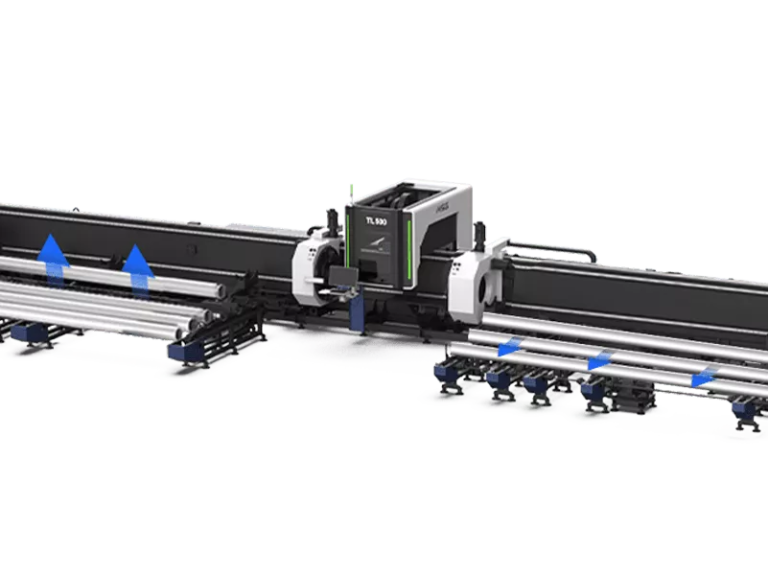
Boost Your CNC Plasma Cuts: Top Quality Tips Inside
In the world of metal fabrication, CNC plasma cutting stands out as a powerful tool for creating precise and intricate designs. Whether you’re a seasoned professional or a hobbyist looking to expand your skills, mastering CNC plasma cutting can significantly enhance the quality of your projects. This article provides you with top-quality tips to elevate your cutting game, from selecting the right tools to troubleshooting common issues. Dive in, and discover how you can transform your CNC plasma cutting experience into a seamless and efficient process.
Master the Art of CNC Plasma Cutting Today
To truly master CNC plasma cutting, it’s essential to understand the fundamentals of how the technology works. At its core, CNC plasma cutting involves using a high-velocity jet of ionized gas to cut through electrically conductive materials. This process is controlled by a computer numerical control (CNC) system, which ensures precision and repeatability in cuts. Familiarizing yourself with the mechanics of plasma cutting will allow you to make informed decisions about your equipment and techniques, ultimately leading to superior results.
Practice is another crucial component in mastering CNC plasma cutting. Spend time experimenting with different materials and thicknesses to understand how your machine responds. Each material has its unique properties and may require adjustments in speed, amperage, or torch height. By honing your skills through consistent practice, you’ll develop an intuitive understanding of what works best for your specific setup, empowering you to tackle even the most challenging projects with confidence.
Essential Tools for Precision and Efficiency
Investing in high-quality tools is paramount to achieving precision and efficiency in CNC plasma cutting. Start with a reliable CNC plasma cutter that suits your specific needs. Consider factors such as the thickness of materials you’ll be working with, the size of your workspace, and your budget. Additionally, a torch height control system can significantly improve cut accuracy by automatically adjusting the torch to maintain a consistent distance from the workpiece, reducing the risk of errors and enhancing the overall quality of your cuts.
Beyond the plasma cutter itself, other essential tools include a well-maintained air compressor and a clean, dry air supply. The quality of the air used in the cutting process directly impacts the cut’s smoothness and precision. Investing in a good air filtration system can help remove moisture and contaminants from the air supply, ensuring optimal performance. These tools, combined with a thorough understanding of your equipment, will lay the foundation for precise and efficient CNC plasma cutting.
Optimize Your Setup for Superior Results
Optimizing your CNC plasma cutting setup is crucial for achieving superior results. Begin by ensuring that your work area is well-organized and free of clutter, allowing for smooth operation and easy access to tools. Proper ventilation is also vital, as it helps dissipate fumes and heat generated during the cutting process, ensuring a safe and comfortable working environment.
Calibration is another key aspect of optimizing your setup. Regularly calibrate your CNC machine to maintain accuracy and consistency in your cuts. Pay close attention to factors such as torch alignment and cutting speed, as these can significantly impact the quality of your work. By fine-tuning your setup and maintaining a clean, organized workspace, you’ll be better equipped to produce high-quality cuts consistently.
Expert Techniques to Enhance Cut Quality
To enhance the quality of your CNC plasma cuts, focus on refining your cutting techniques. One effective method is to adjust the cutting speed according to the material and thickness you’re working with. A slower speed may be necessary for thicker materials to ensure a clean cut, while a faster speed might be suitable for thinner materials. Experimenting with different speeds will help you find the optimal balance for each project.
Another technique to improve cut quality is to use a lead-in and lead-out strategy. This involves starting and ending the cut slightly outside the desired path, allowing the torch to stabilize before entering the workpiece and reducing the risk of imperfections at the start and end points. Additionally, maintaining a consistent torch height throughout the cut is crucial for achieving uniform results. By implementing these expert techniques, you’ll elevate the quality of your CNC plasma cuts significantly.
Troubleshooting Common Plasma Cutting Issues
Even with the best equipment and techniques, issues can arise during CNC plasma cutting. Common problems include dross buildup, uneven cuts, and torch misfires. To troubleshoot dross, adjust the cutting speed and amperage settings, as excessive speed or low amperage can lead to excess material buildup. For uneven cuts, ensure that the torch height is consistent and that the workpiece is securely clamped to prevent movement during cutting.
Torch misfires can be frustrating, but they often have simple solutions. Check the electrode and nozzle for wear and replace them if necessary. Additionally, ensure that the air supply is clean and dry, as moisture or contaminants can cause misfires. By systematically addressing these common issues, you’ll minimize downtime and maintain the quality of your CNC plasma cutting projects.
Elevate Your Projects with Advanced Tips
Once you’ve mastered the basics, consider incorporating advanced tips to further elevate your CNC plasma cutting projects. One such tip is to utilize nesting software, which optimizes material usage by arranging multiple parts on a single sheet. This not only reduces waste but also saves time and money, making your cutting process more efficient.
Another advanced strategy is to explore different cutting patterns and techniques, such as bevel cutting or 3D profiling. These methods can add complexity and depth to your projects, setting your work apart from the rest. By continuously seeking out new techniques and technologies, you’ll push the boundaries of what’s possible with CNC plasma cutting and take your projects to new heights.
Mastering CNC plasma cutting is a journey that requires dedication, practice, and a willingness to learn. By investing in the right tools, optimizing your setup, and refining your techniques, you can achieve remarkable results that elevate your projects to new levels of precision and artistry. Embrace the challenges and opportunities that come with CNC plasma cutting, and you’ll find yourself at the forefront of innovation in metal fabrication. Whether you’re crafting intricate designs or tackling large-scale industrial projects, these top-quality tips will empower you to unlock the full potential of your CNC plasma cutting endeavors.
CNC plasma cutting is a pivotal technology in metal fabrication, offering unparalleled precision and versatility for crafting intricate designs. This article is designed for both seasoned professionals and hobbyists aiming to refine their skills with CNC plasma cutting. It provides essential tips for selecting the right tools, troubleshooting common issues, and optimizing your cutting processes to achieve superior project outcomes. Dive into this comprehensive guide and transform your CNC plasma cutting experience, enhancing both efficiency and quality.
Maintenance Tips
- Regularly inspect and clean the torch and consumables to ensure consistent cutting quality.
- Ensure proper grounding to prevent electrical issues and ensure operator safety.
- Keep the cutting table clean and free from slag buildup to avoid impacting the cutting path.
- Check the air supply regularly for moisture or contaminants that could affect the plasma arc.
Typical Cost Ranges
The cost of a CNC plasma cutting machine can vary widely based on size, power, and features. Entry-level machines start around $2,000, while industrial-grade models can exceed $100,000. Additional costs may include consumables, air compressors, and maintenance.
Performance Specs
- Cutting Speed: Up to 500 inches per minute, depending on material thickness and type.
- Material Thickness: Capable of cutting materials ranging from thin sheets to over 2 inches thick.
- Precision: Tolerances as tight as +/- 0.01 inches.
Buying Advice
When purchasing a CNC plasma cutter, consider the following factors:
- Material Type: Ensure the machine can handle the types of metal you plan to cut.
- Power Requirements: Check your facility’s power capacity to support the cutter’s needs.
- Software Compatibility: Choose a machine that integrates well with your existing CAD/CAM software.
- Support and Warranty: Opt for a cutter with robust customer support and a comprehensive warranty.
FAQs
What materials can a CNC plasma cutter handle?
CNC plasma cutters can cut a wide range of conductive metals, including steel, stainless steel, aluminum, brass, and copper.
How does a CNC plasma cutter work?
The cutter uses a high-velocity jet of ionized gas (plasma) to melt and blow away metal from the cut path, following a programmed design.
What is the difference between CNC plasma cutting and laser cutting?
Plasma cutting is typically faster and more cost-effective for thicker materials, while laser cutting offers higher precision and cleaner edges on thinner materials.
How long do consumables last on a CNC plasma cutter?
The lifespan of consumables varies based on factors like cutting speed, material type, and machine settings, but regular maintenance can extend their usability.
Can I use a CNC plasma cutter for artistic projects?
Yes, CNC plasma cutting is ideal for creating detailed and complex designs, making it a popular choice for art and decorative metalwork.
Boost Your CNC Plasma Cuts: Top Quality Tips Inside