Essential Machines for Every Fabrication Shop’s Success
In the competitive world of fabrication, the success of a shop hinges on its ability to deliver high-quality products efficiently and consistently. The backbone of this success is the machinery that powers the operation. From cutting-edge tools to advanced automation solutions, the right equipment can transform a fabrication shop into a powerhouse of productivity and precision. This article explores the essential machines that every fabrication shop needs to thrive in today’s fast-paced market.
Elevate Productivity with Cutting-Edge Machinery
In the fast-paced fabrication industry, staying ahead of the curve requires machinery that can handle complex tasks with speed and efficiency. Investing in cutting-edge machinery is not just an option; it is a necessity for elevating productivity. Advanced CNC machines, for example, offer unparalleled precision and speed, allowing shops to produce intricate designs with minimal waste. These machines reduce manual labor and significantly cut down production time, enabling shops to take on more projects and increase their output.
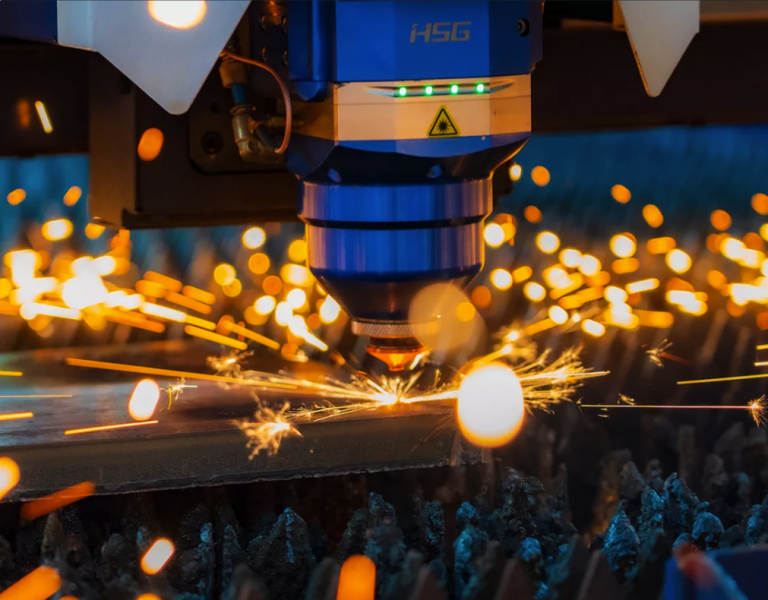
Moreover, modern cutting machines, such as laser and waterjet cutters, provide versatility and precision that traditional methods cannot match. These machines allow for intricate cuts on a variety of materials, from metals to composites, with exceptional accuracy. By incorporating cutting-edge machinery into their operations, fabrication shops can streamline processes, reduce lead times, and ultimately boost their bottom line.
Revolutionize Operations with Precision Tools
Precision is the cornerstone of any successful fabrication operation. Without the right tools, even the most skilled craftsmen struggle to achieve the exacting standards required in today’s market. Precision tools, such as high-quality measuring instruments and advanced machining centers, are essential for revolutionizing operations. These tools ensure that every cut, bend, and weld is executed with the utmost accuracy, reducing errors and rework.
Additionally, precision tools enable shops to maintain consistency across large production runs, ensuring that every piece meets the same high standards. This consistency is crucial for building a reputation for quality and reliability. By investing in precision tools, fabrication shops can not only enhance their operational efficiency but also position themselves as leaders in delivering superior products.
Maximize Efficiency with Versatile Equipment
In a fabrication shop, versatility is key to maximizing efficiency and meeting diverse customer needs. Versatile equipment, such as multi-axis machining centers and combination machines, allows shops to perform a variety of tasks without the need for multiple specialized machines. This flexibility not only saves space but also reduces the time and cost associated with switching between different machines and setups.
Furthermore, versatile equipment enables fabrication shops to adapt quickly to changing market demands and customer specifications. By having the capability to handle a wide range of materials and processes, shops can expand their service offerings and take on more complex projects. This adaptability is crucial for maintaining a competitive edge and ensuring long-term success in the ever-evolving fabrication industry.
Ensure Quality with Reliable Fabrication Machines
Quality is non-negotiable in the fabrication business, and reliable machines are the foundation of producing high-quality products. Investing in robust and dependable fabrication machines minimizes downtime and maintenance issues, ensuring that operations run smoothly and consistently. Reliable machines contribute to a stable production environment where quality is maintained, and deadlines are met.
Moreover, dependable equipment reduces the risk of defects and rework, saving both time and resources. By ensuring that every machine in the shop is reliable, fabrication businesses can focus on refining their processes and enhancing their craftsmanship. This commitment to quality not only satisfies customers but also fosters long-term relationships and repeat business.
Boost Output with Advanced Automation Solutions
Automation is transforming the fabrication industry by enabling shops to boost output while maintaining high standards of quality. Advanced automation solutions, such as robotic arms and automated welding systems, streamline repetitive tasks and free up skilled workers to focus on more complex and creative aspects of production. This shift not only increases productivity but also enhances job satisfaction among employees.
Additionally, automation reduces human error and increases consistency, allowing fabrication shops to produce large quantities of high-quality products in less time. By integrating advanced automation solutions into their operations, shops can meet growing customer demands and scale their production capabilities efficiently. This strategic investment in automation is a key driver of growth and success in the modern fabrication landscape.
Stay Competitive with Innovative Shop Technology
In an industry where technology is rapidly advancing, staying competitive requires a commitment to innovation. Embracing the latest shop technology, such as digital design software and Internet of Things (IoT) connectivity, allows fabrication shops to optimize their operations and enhance their service offerings. These technologies provide real-time data and insights that enable better decision-making and process improvements.
Moreover, innovative technology positions fabrication shops as forward-thinking leaders in the industry. By adopting new tools and techniques, shops can differentiate themselves from competitors and attract a broader customer base. Staying competitive in the fabrication industry means continuously seeking out and implementing innovative solutions that drive efficiency, quality, and customer satisfaction.
The success of a fabrication shop is intricately linked to the machinery and technology it employs. By investing in cutting-edge machinery, precision tools, versatile equipment, reliable machines, advanced automation solutions, and innovative technology, shops can elevate their productivity, ensure quality, and stay competitive. As the industry continues to evolve, those who embrace these essential machines and technologies will be well-positioned to lead the market and achieve lasting success.
In the fiercely competitive realm of metal fabrication, the key to a shop’s success lies in its capability to produce high-quality products with efficiency and consistency. The machinery that powers these operations plays a crucial role in determining the shop’s productivity and precision. From state-of-the-art cutting tools to advanced automation systems, the right equipment can transform a fabrication shop into a thriving hub of innovation and output. This guide delves into the essential machinery that every fabrication shop should consider to excel in today’s demanding market environment.
Maintenance Tips
- Regularly inspect machines for wear and tear to prevent unexpected breakdowns.
- Maintain a clean and organized workspace to improve machine efficiency and safety.
- Follow manufacturer guidelines for lubrication and part replacements.
- Train staff on proper machine operation and safety protocols.
Typical Cost Ranges
The cost of machinery for a fabrication shop can vary significantly based on the type and complexity of the equipment:
- Basic cutting and welding machines: $5,000 – $20,000
- Advanced CNC machines: $50,000 – $150,000
- Automation solutions and robotics: $100,000 and up
Performance Specs
- CNC Machines: Precision of up to 0.001 inches, capable of multitasking operations.
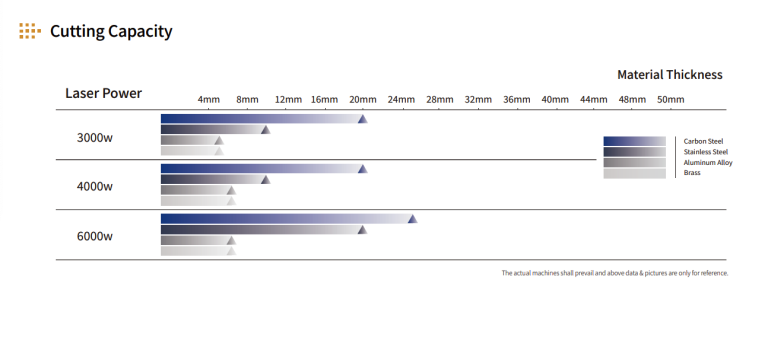
- Laser Cutters: Cutting speed of up to 120 inches per minute, with thickness handling up to 1 inch in steel.
- Welding Equipment: Duty cycles ranging from 60% to 100% for continuous operation.
Buying Advice
- Assess your shop’s specific needs and choose machines that align with your production goals.
- Consider the scalability of machinery to accommodate future growth.
- Evaluate the total cost of ownership, including maintenance and training costs.
- Opt for reputable brands with strong customer support and warranty options.
Frequently Asked Questions
What is the most critical machine for a startup fabrication shop?
The most critical machine is often a versatile CNC machine, which can perform a variety of tasks and is crucial for precision work.
How often should fabrication machinery be serviced?
Machines should be serviced at least every six months, depending on usage intensity and manufacturer recommendations.
Can automation be integrated into existing fabrication setups?
Yes, many automation systems are designed to be retrofitted into existing setups, enhancing productivity without the need for complete overhauls.
What safety measures should be in place when operating heavy machinery?
Ensure all operators are trained, use proper protective gear, and follow lockout/tagout procedures to prevent accidents.
Is leasing machinery a viable option for small shops?
Leasing can be a cost-effective solution for small shops, allowing them to access high-quality equipment without large upfront costs.
Essential Machines for Every Fabrication Shop’s Success