Mastering Shearing Safety: Expert Tips for Fabricators
In the world of metal fabrication, shearing is a fundamental process that requires precision, skill, and an unwavering commitment to safety. For fabricators, mastering the art of shearing not only enhances productivity but also ensures a safe working environment. This article delves into the essentials of shearing safety, offering expert tips and insights to help you navigate this critical aspect of metal fabrication.
Understanding Shearing: The Basics You Need to Know
Shearing is a cutting process used to trim or cut metal sheets without forming chips or using burning or melting. This technique is crucial in metal fabrication for creating clean, straight cuts. Understanding the basics of shearing involves recognizing the types of shearing machines available, such as guillotine shears and alligator shears, and their specific applications.
-
Types of Shearing Machines:
- Guillotine Shears: Ideal for straight cuts on large sheets.
- Alligator Shears: Suitable for cutting long metal stock.
- Bench Shears: Perfect for smaller, more precise cuts.
-
Key Components:
- Blade: The cutting tool that must be sharp and well-maintained.
- Hold-downs: These keep the material in place during the cutting process.
- Backgauge: Assists in measuring and ensuring consistent cuts.
Understanding these basics helps fabricators choose the right equipment and techniques for their specific needs, ensuring both efficiency and safety.
Essential Safety Gear for Every Fabricator
Safety is paramount in any fabrication process, and shearing is no exception. Equipping yourself with the right safety gear is a non-negotiable aspect of a fabricator’s job.
-
Personal Protective Equipment (PPE):
- Safety Glasses: Protects eyes from flying debris.
- Gloves: Shields hands from sharp edges and provides a better grip.
- Steel-toed Boots: Essential for protecting feet from heavy materials.
-
Additional Safety Measures:
- Ear Protection: Necessary in environments with high noise levels.
- Aprons: Offers an extra layer of protection against sharp metal.
“Safety gear is your first line of defense against workplace accidents,” emphasizes industry experts. Ensuring that all team members are equipped with the right PPE can significantly reduce the risk of injuries.
Pro Tips for Safe and Efficient Shearing
Efficiency in shearing is not just about speed; it’s about doing the job right while maintaining safety standards. Here are some expert tips to help you achieve both:
-
Regular Maintenance:
- Keep blades sharp and well-aligned to ensure clean cuts and reduce the risk of accidents.
- Check and replace worn-out components regularly.
-
Proper Training:
- Ensure all operators are trained in the use of shearing equipment and understand the safety protocols.
- Conduct regular safety drills and refreshers.
-
Workspace Organization:
- Keep the work area clean and free of obstructions to prevent accidents.
- Ensure that all tools and materials are within easy reach to minimize unnecessary movement.
-
Use of Technology:
- Implement safety sensors and automatic shut-off features to enhance safety.
- Utilize digital backgauges for precise measurements and cuts.
By following these tips, fabricators can optimize their shearing processes, ensuring both safety and productivity.
Mastering shearing safety is an ongoing journey for fabricators, requiring a blend of knowledge, the right equipment, and a commitment to best practices. For more detailed insights and resources on mastering shearing safety, visit Mastering Shearing Safety. Embrace these expert tips to enhance your fabrication processes and create a safer working environment for everyone involved.
Shearing is a vital technique in the metal fabrication industry, enabling the cutting and trimming of metal sheets without producing chips or utilizing burning or melting methods. For fabricators, mastering shearing is essential not only for enhancing productivity but also for maintaining a safe working environment. This overview introduces key aspects of shearing, including its fundamentals and expert safety tips, to ensure efficient and secure operations in the fabricating process.
Maintenance Tips
- Regularly inspect blades for wear and damage to maintain precision and safety.
- Ensure proper lubrication of moving parts to prevent friction and overheating.
- Check and tighten loose bolts and components to avoid operational hazards.
- Keep the work area clean and free from debris to prevent accidents.
Typical Cost Ranges
The cost of shearing machines can vary significantly depending on the size, capacity, and features. Basic manual shearing machines may range from $1,000 to $5,000, while industrial-grade hydraulic shears can exceed $50,000.
Performance Specs
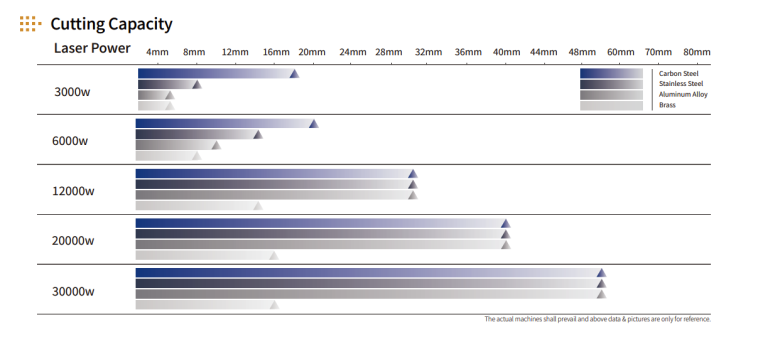
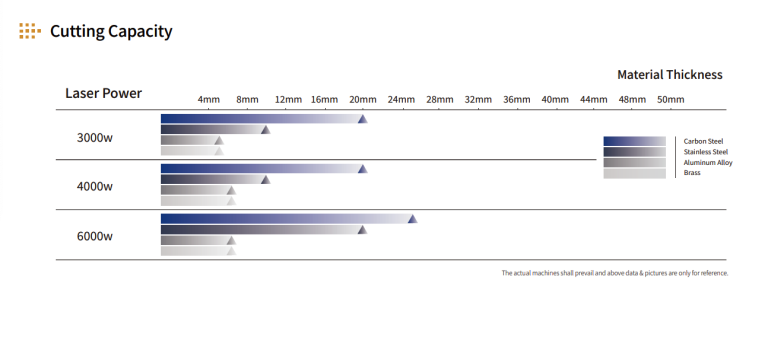
- Cutting Capacity: Ranges from 0.5 mm to over 20 mm in thickness.
- Blade Length: Typically between 1 meter to 4 meters.
- Cutting Speed: Can reach up to 60 strokes per minute for high-speed shearing.
Buying Advice
- Consider the thickness and type of materials you will frequently process to select the appropriate machine.
- Evaluate whether a manual, mechanical, or hydraulic shear best suits your production needs.
- Look for machines with safety features such as finger guards and emergency stop buttons.
- Assess the machine’s capacity for customization and future scalability.
FAQs
- What is the primary use of a shearing machine?
- A shearing machine is primarily used to cut metal sheets into specific shapes and sizes without the production of chips or the use of heat.
- How often should the blades be sharpened?
- Blade sharpening frequency depends on usage but generally should occur every 300-500 hours of operation for optimal performance.
- Can shearing machines handle all types of metals?
- Most shearing machines can handle a variety of metals, but the type and thickness of the metal will determine the machine’s capability.
- What safety precautions should be taken when operating a shearing machine?
- Operators should wear protective gear, ensure all safety guards are in place, and follow proper operating procedures to prevent accidents.
- Is it possible to automate the shearing process?
- Yes, many modern shearing machines are equipped with CNC controls for automation, improving precision and efficiency.
Mastering Shearing Safety: Expert Tips for Fabricators