Eco-Friendly Innovations in Metal Fabrication
In recent years, the metal fabrication industry has been undergoing a significant transformation. With growing environmental concerns and increasing demand for sustainable practices, companies are looking for ways to reduce their carbon footprint while maintaining efficiency and quality. This article explores the eco-friendly innovations in metal fabrication, highlighting why the industry is evolving, the cutting-edge techniques being adopted, and the benefits these sustainable practices offer to buyers.
Going Green: Why Metal Fabrication is Evolving
The metal fabrication industry is traditionally known for its energy-intensive processes and significant environmental impact. However, the push towards sustainability is reshaping how businesses operate. Here are some reasons why metal fabrication is evolving:
- Environmental Regulations: Governments worldwide are implementing stricter environmental regulations, pushing companies to adopt greener practices to comply and avoid penalties.
- Consumer Demand: Buyers are increasingly prioritizing sustainability, seeking products and services that align with their environmental values.
- Cost Efficiency: Sustainable practices often lead to long-term cost savings through reduced energy consumption and waste.
- Corporate Responsibility: Companies are recognizing the importance of corporate social responsibility and are striving to reduce their environmental impact.
Cutting-Edge Eco-Friendly Techniques Explained
The shift towards sustainability has led to the development of innovative techniques in metal fabrication. Some of the most promising eco-friendly methods include:
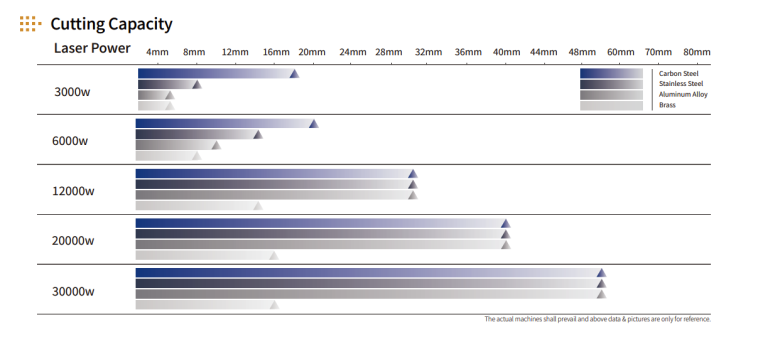
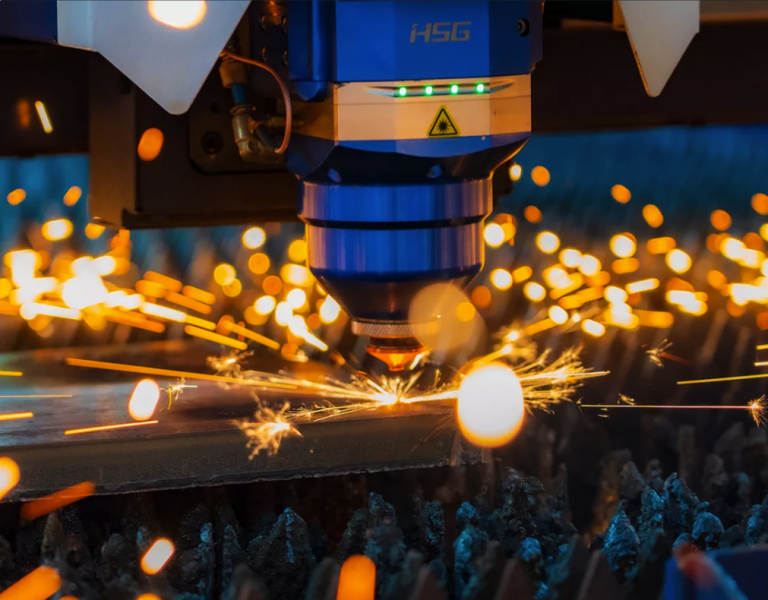
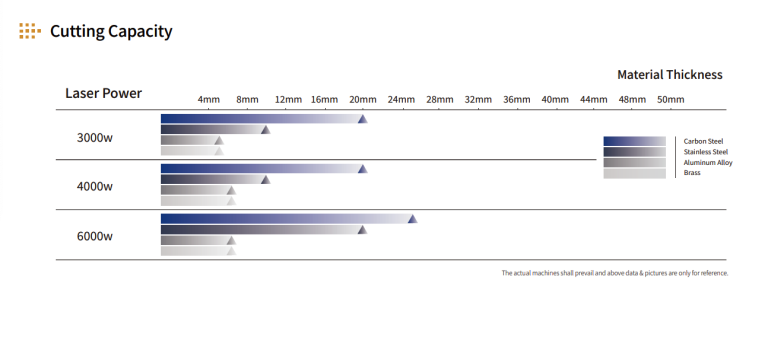
- Laser Cutting: This technique uses a focused laser beam to cut materials with precision, reducing waste and energy consumption compared to traditional methods.
- Water Jet Cutting: Utilizing a high-pressure stream of water mixed with abrasive particles, this method is energy-efficient and produces minimal waste.
- Recycling and Reusing Materials: Companies are increasingly recycling scrap metal and reusing materials, significantly reducing the need for raw materials and minimizing waste.
- Energy-Efficient Machinery: Modern machines, such as brake presses and roll formers, are designed to consume less energy while maintaining high performance.
- Green Coatings and Finishes: Eco-friendly coatings reduce the release of volatile organic compounds (VOCs) and enhance the durability of metal products.
Benefits of Sustainable Practices for Buyers
Adopting sustainable practices in metal fabrication offers numerous advantages for buyers:
- Cost Savings: Eco-friendly techniques often result in lower production costs, which can translate into competitive pricing for buyers.
- Quality Assurance: Sustainable practices focus on precision and efficiency, ensuring high-quality products.
- Brand Image: Partnering with environmentally responsible suppliers enhances a buyer’s brand image and aligns with consumer expectations.
- Regulatory Compliance: Purchasing from eco-conscious companies ensures compliance with environmental regulations, reducing the risk of legal issues.
- Innovation and Technology: Buyers benefit from the latest technological advancements, ensuring they receive cutting-edge products and solutions.
The metal fabrication industry is embracing eco-friendly innovations, driven by environmental, economic, and social factors. By adopting sustainable practices, companies not only reduce their environmental impact but also offer significant benefits to buyers. For more information on how these innovations are shaping the industry, visit Eco-Friendly Innovations in Metal Fabrication.
The metal fabrication industry is experiencing a transformative shift towards sustainability, driven by increasing environmental concerns and the demand for eco-friendly practices. As companies aim to reduce their carbon footprint, they are adopting innovative techniques that maintain efficiency and quality. This evolution highlights the industry’s commitment to sustainability, showcasing cutting-edge methods that not only benefit the environment but also offer competitive advantages to businesses and consumers alike.
Maintenance Tips
- Regularly inspect equipment for signs of wear and tear to prevent energy inefficiencies.
- Implement a preventive maintenance schedule to ensure machinery operates at optimal efficiency.
- Utilize eco-friendly lubricants and coolants to reduce environmental impact.
Typical Cost Ranges
The cost of adopting eco-friendly metal fabrication techniques can vary widely. Initial investments may be higher due to the price of advanced equipment and materials, ranging from $50,000 to over $500,000, depending on the scale and technology. However, long-term savings are realized through reduced energy consumption and waste management costs.
Performance Specs
- Energy consumption reduction by up to 30% with modern eco-friendly equipment.
- Waste reduction of up to 50% through improved material utilization and recycling practices.
- Enhanced precision and quality due to advanced fabrication technology.
Buying Advice
- Assess the long-term cost savings versus initial investment when considering green technology.
- Look for certifications and compliance with environmental standards when purchasing new equipment.
- Consider the scalability of technology to future-proof your operations against evolving sustainability standards.
FAQs
What are some eco-friendly techniques in metal fabrication?
Techniques include using renewable energy sources, recycling materials, water jet cutting, and implementing closed-loop systems.
How do these innovations benefit the environment?
They reduce energy consumption, minimize waste output, and decrease harmful emissions.
Is eco-friendly metal fabrication cost-effective?
While initial costs may be higher, long-term savings in energy and material costs often offset these expenses.
Can small businesses afford to implement these innovations?
Yes, many innovations are scalable, allowing small businesses to gradually adopt eco-friendly practices.
How does adopting sustainable practices affect product quality?
Eco-friendly techniques often enhance precision and quality due to the use of advanced technology.
Are there any government incentives for adopting green practices in metal fabrication?
Many governments offer tax credits and grants to businesses that implement sustainable technologies.
Eco-Friendly Innovations in Metal Fabrication