Mastering Stainless Steel Fabrication: Techniques for Cutting, Bending, and Welding Without Distortion
Stainless steel is a staple in the metal fabrication industry, revered for its strength, corrosion resistance, and aesthetic appeal. However, working with stainless steel presents unique challenges, particularly when it comes to cutting, bending, and welding without causing distortion. This article delves into the essential techniques and tools needed to master stainless steel fabrication, ensuring precision and efficiency in every project.
Understanding Stainless Steel Properties
Stainless steel is an alloy known for its durability and resistance to rust and corrosion. Its unique properties stem from the addition of chromium, which forms a protective layer on the surface. Key properties include:
- Corrosion Resistance: Ideal for environments exposed to moisture and chemicals.
- Strength and Durability: Offers high tensile strength, making it suitable for heavy-duty applications.
- Heat Resistance: Maintains integrity at high temperatures, crucial for welding processes.
Understanding these properties is crucial for selecting the right techniques and tools for fabrication.
Choosing the Right Tools for the Job
Selecting the appropriate tools is the first step in successful stainless steel fabrication. Key considerations include:
- Material Compatibility: Ensure tools are designed for stainless steel to prevent contamination and damage.
- Precision and Control: Opt for tools that offer precise control to minimize errors and waste.
- Durability: Invest in high-quality tools that withstand the rigors of stainless steel fabrication.
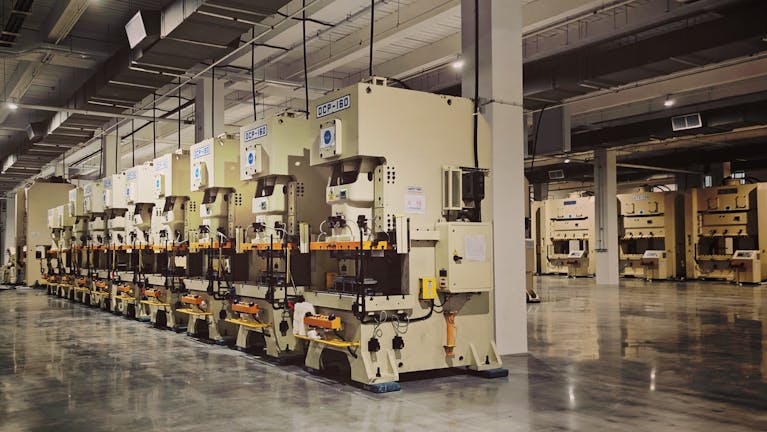
Commonly used tools include laser cutters, press brakes, and TIG welders, each offering unique benefits for specific tasks.
Cutting Techniques: Precision and Efficiency
Cutting stainless steel requires precision to maintain the material’s integrity. Effective techniques include:
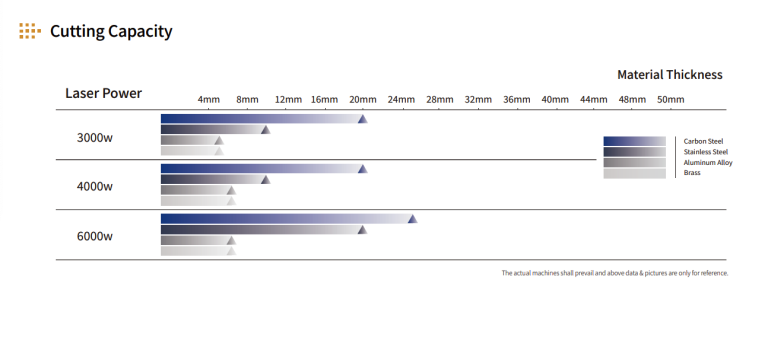
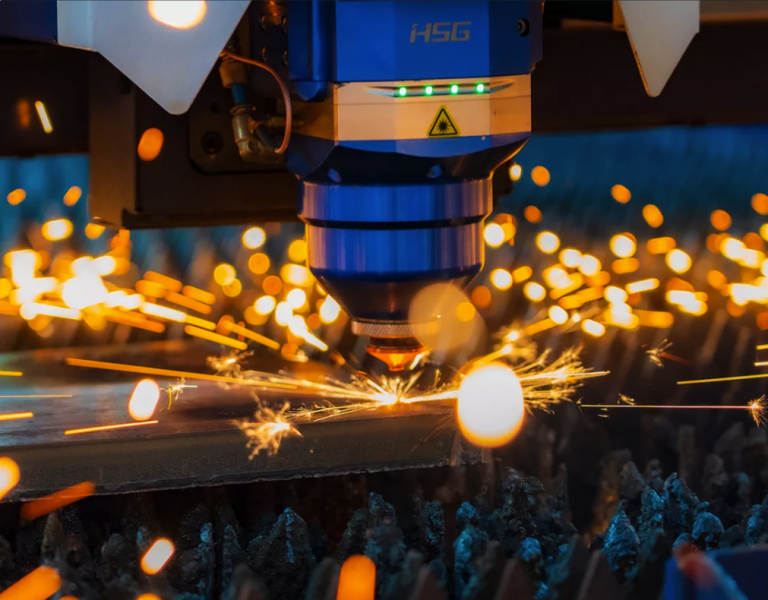
- Laser Cutting: Offers high precision and clean edges, ideal for intricate designs.
- Plasma Cutting: Suitable for thicker materials, providing fast and efficient cuts.
- Water Jet Cutting: Uses high-pressure water, minimizing heat distortion and maintaining material properties.
Each method has its advantages, and the choice depends on the project’s specific requirements.
Bending Stainless Steel Without Cracks
Bending stainless steel can be challenging due to its strength and hardness. To prevent cracks:
- Use Proper Tooling: Ensure dies and punches are compatible with stainless steel.
- Apply Correct Pressure: Gradual pressure application reduces the risk of cracking.
- Consider Grain Direction: Bending perpendicular to the grain can minimize cracking.
Understanding the material’s behavior during bending is crucial for achieving desired shapes without compromising integrity.
Welding Basics: Getting Started with Confidence
Welding stainless steel requires skill and precision. Key tips for beginners include:
- Select the Right Filler Material: Match the filler to the base metal for optimal results.
- Control Heat Input: Excessive heat can lead to distortion and weakened joints.
- Practice Good Technique: Maintain a steady hand and consistent speed for uniform welds.
With practice and attention to detail, even beginners can achieve strong, clean welds.
Avoiding Distortion: Tips and Tricks
Distortion is a common challenge in stainless steel fabrication. To minimize distortion:
- Preheat the Material: Reduces thermal shock and warping during welding.
- Use Clamps and Fixtures: Secure the workpiece to maintain alignment.
- Plan the Sequence: Weld in a strategic order to balance heat distribution.
Implementing these strategies can help maintain the structural integrity of the finished product.
Common Mistakes and How to Avoid Them
Even experienced fabricators can make mistakes. Common pitfalls include:
- Using Incorrect Tools: Leads to poor quality cuts and increased waste.
- Neglecting Material Properties: Results in improper handling and processing.
- Rushing the Process: Compromises precision and increases the risk of errors.
Awareness and careful planning can prevent these mistakes, ensuring successful fabrication.
Mastering the Art of Stainless Steel Fabrication
Mastering stainless steel fabrication requires a combination of knowledge, skill, and the right tools. By understanding the material’s properties, choosing appropriate techniques, and avoiding common mistakes, fabricators can achieve high-quality results. Continuous learning and practice are key to honing these skills and becoming proficient in stainless steel fabrication.
For more insights and resources on mastering stainless steel fabrication, visit Mastering Stainless Steel Fabrication. Whether you’re a seasoned professional or just starting, staying informed and equipped with the right tools and techniques is essential for success in the ever-evolving field of metal fabrication.
Stainless steel is an essential material in metal fabrication, celebrated for its strength, corrosion resistance, and appealing finish. However, fabricating stainless steel requires specific techniques to avoid distortion during cutting, bending, and welding. This guide explores the critical methods and tools necessary for precise and efficient stainless steel fabrication, ensuring high-quality results in various projects. Understanding the unique properties of stainless steel, such as its durability and resistance to rust and corrosion due to the chromium content, is fundamental for any fabricator.
Maintenance Tips
- Regularly inspect tools and equipment for any signs of wear or damage to maintain precision in fabricating stainless steel.
- Keep stainless steel surfaces clean and free from contaminants to prevent corrosion and maintain its aesthetic appeal.
- Use appropriate coolants and lubricants during machining processes to minimize heat buildup and prevent distortion.
Typical Cost Ranges
The cost of stainless steel fabrication can vary widely based on the complexity of the project, the type and thickness of stainless steel used, and the required finishing processes. Typically, prices range from $25 to $75 per hour for labor, with material costs varying from $1 to $5 per pound for stainless steel sheets or bars.
Performance Specs
- Strength: High tensile strength, making it suitable for demanding applications.
- Corrosion Resistance: Excellent resistance to rust and corrosion, especially in environments with moisture and chemicals.
- Finish: Available in various finishes, including brushed, mirror, and matte, to meet different aesthetic requirements.
Buying Advice
- Choose the right grade of stainless steel based on the environmental conditions and mechanical requirements of your project.
- Consider the thickness of the material, as thicker sheets may require specialized equipment for cutting and bending.
- Evaluate the availability of skilled labor and the necessary machinery when planning a stainless steel fabrication project.
FAQs
What are the common challenges in stainless steel fabrication? The main challenges include avoiding distortion during welding, managing heat input, and preventing surface contamination that could lead to corrosion. How can I prevent distortion when welding stainless steel? Use techniques such as tack welding, staggered welding, and controlling heat input to minimize distortion. What tools are essential for stainless steel cutting? Essential tools include plasma cutters, laser cutters, and high-quality bandsaws designed for cutting metal. Why is chromium important in stainless steel? Chromium forms a protective oxide layer on the surface of stainless steel, providing its corrosion-resistant properties. Can stainless steel be bent without cracking? Yes, by using proper bending techniques such as press braking with the correct tooling and controlling the bending speed. Is it necessary to use special welding rods for stainless steel? Yes, using welding rods or filler materials that match the stainless steel grade is crucial to maintain the material’s properties.Mastering Stainless Steel Fabrication: Techniques for Cutting, Bending, and Welding Without Distortion